NWSS Wastewater Monitoring in the U.S.

Wastewater Monitoring Data

CDC’s Wastewater Program collects and displays wastewater (sewage) data from communities across the United States.

Common Respiratory Viruses

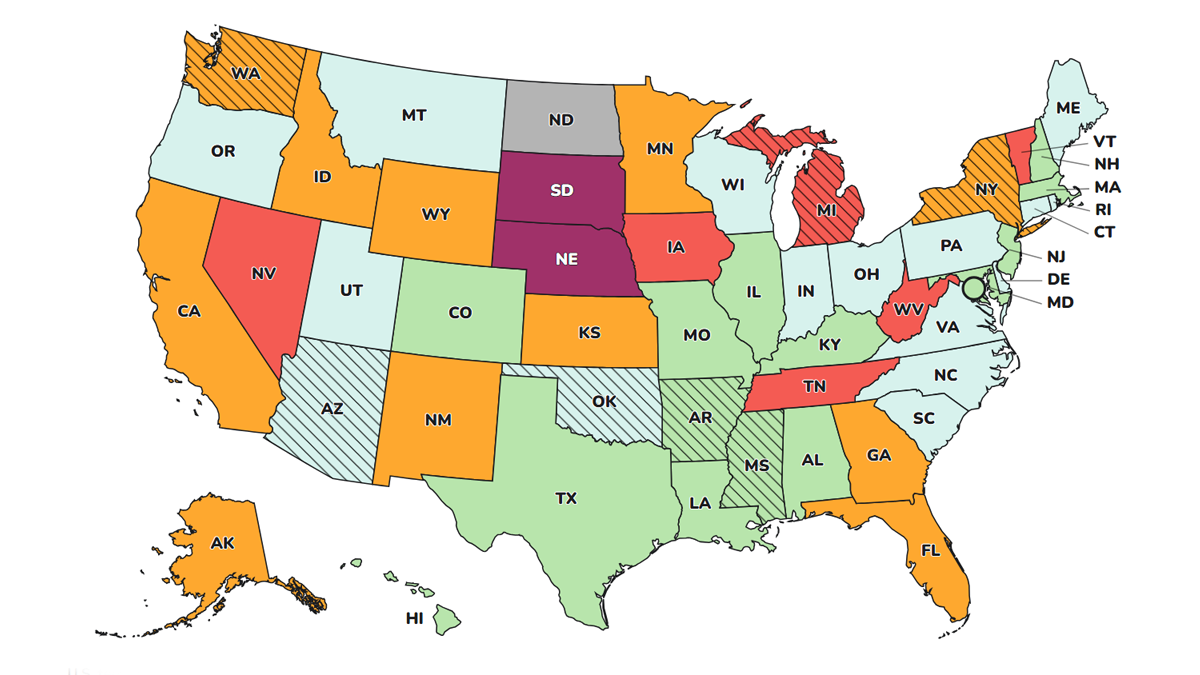
Explore the current wastewater viral activity level for routinely tracked respiratory viruses and explore trends over time. Data is available at the site level, as well as the state, regional, and national levels.​

Infectious Disease Response​​

Wastewater is used to help track recent detections of emerging or re-emerging viruses of concern at sites across the United States.

How Wastewater Monitoring Works

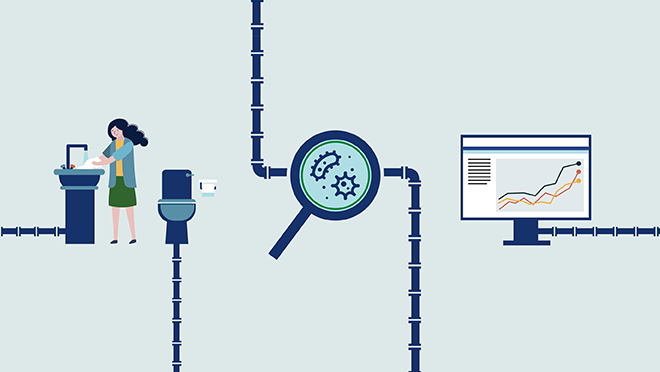
Wastewater (sewage) can be tested to detect traces of infectious diseases circulating in a community, even if people don’t have symptoms. You can use these data as an early warning that levels of infections may be increasing or decreasing in your community.

About Wastewater Data​

CDC receives data from about 1,500 wastewater monitoring sites across the United States each week. Data is updated every Friday. CDC’s experts work hard to ensure these data are of high quality, comparable across sites, and understandable. See our Data Methods to learn more about how CDC ensures high-quality wastewater data. ​

CDC’s Wastewater Program works with partners like local utilities, health departments, and our Centers of Excellence to test and monitor wastewater for viruses so communities can act quickly to prevent the spread of infections. Wastewater monitoring data can be used with other disease surveillance data (such as hospital visits or clinical testing data) to provide a more complete picture of disease spread within a community. Visit our About Data page to learn more on how wastewater data can be used for public health action.

Wastewater Data Snapshots​

Explore the most recent data for common respiratory pathogens.