



At a glance
Sickle cell disease (SCD) is a group of inherited blood disorders associated with severe pain and complications that can affect the entire body. This page provides information on SCD and stroke.
Overview
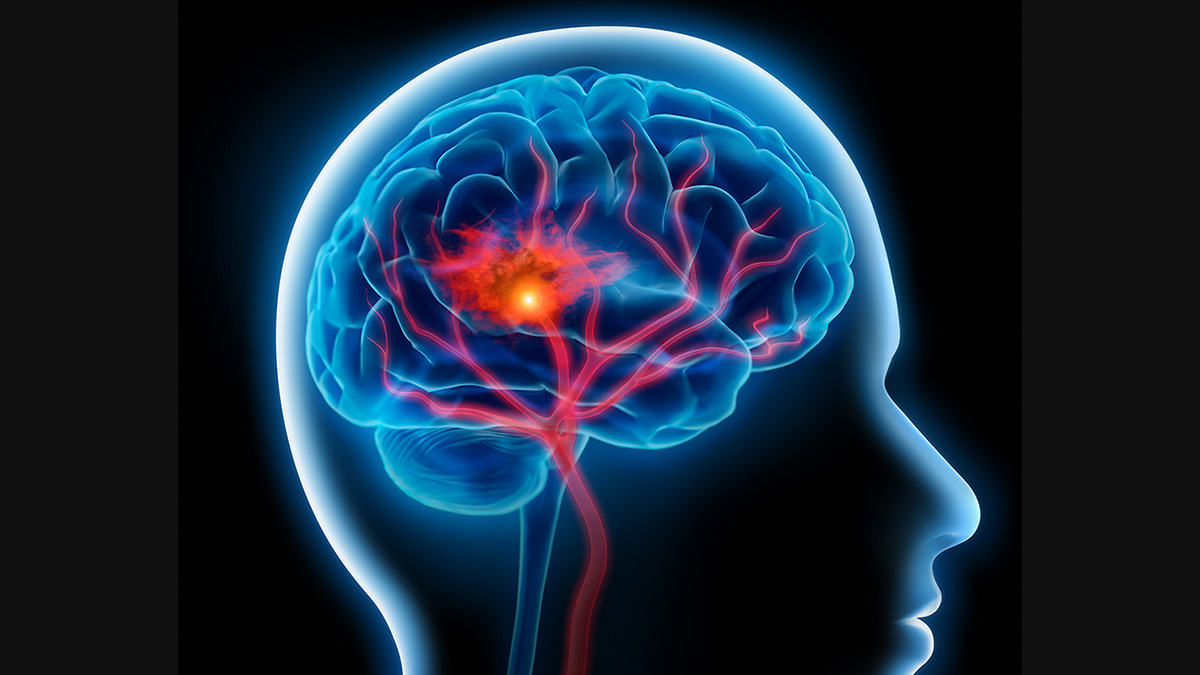
A stroke can happen if sickled cells get stuck in a blood vessel and block blood flow to the brain, making it harder for the brain to get the oxygen it needs to function properly. About 10% of children with SCD will have a symptomatic stroke. A stroke is more common among people with sickle cell anemia (the most severe form of SCD).
It is recommended that children with sickle cell anemia get a special type of exam called a transcranial Doppler ultrasound (TCD) every year starting at 2 years old until they are 16 years old. A TCD can identify children who are at high risk of a stroke.
Signs and symptoms
Some signs or symptoms of a stroke include sudden:
- Numbness or weakness, especially on one side of the body
- Confusion or difficulty understanding speech
- Trouble seeing in one or both eyes
- Trouble walking, dizziness, loss of balance, or lack of coordination
- Severe headaches with no known cause
A silent stroke is a stroke that occurs without any signs or symptoms. A person who experiences a silent stroke may not be aware of their stroke and it can only be detected using an imaging test known as magnetic resonance imaging (MRI). A silent stroke can lead to brain injury.
This page was last updated on this date. Updates may include minor edits, image changes, or other modifications to page content.
The information on this page was last reviewed by subject matter experts to ensure accuracy.