


Key points
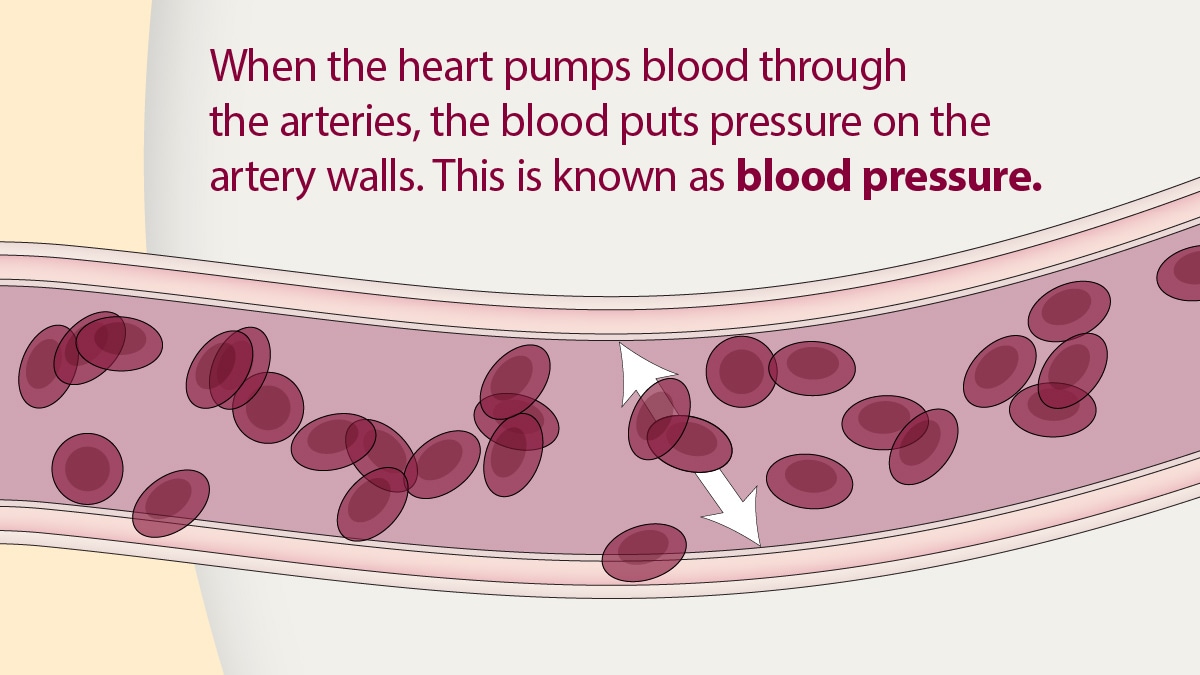
- Blood pressure is the force of your blood pushing against the walls of your arteries as your heart pumps. High blood pressure is when that force is consistently too high.
- Most people with high blood pressure, also called hypertension, have no signs or symptoms.
- Measuring your blood pressure is the only way to know if you have high blood pressure.
- High blood pressure can be managed through healthy lifestyle habits and taking medication as prescribed.
Overview
Your blood pressure changes throughout the day based on your activities. Normal blood pressure is less than 120/80 mm Hg. High blood pressure is consistently at or above 130/80 mm Hg. Having blood pressure consistently above normal may result in a diagnosis of high blood pressure.
Signs and symptoms
High blood pressure usually has no signs or symptoms, so many people do not know they have it. The only way to know if you have high blood pressure is to measure your blood pressure regularly.
Complications
High blood pressure can damage your health over time, especially if it is not treated. It can harm your heart, brain, and kidneys. Managing your blood pressure can help lower your risk for these serious health conditions:
Heart and blood vessel disease
High blood pressure can damage your heart and blood vessels, which increases your risk for heart disease, including heart attack, heart failure, and chest pain (angina). It can also increase your risk for heart valve disease.
Stroke and brain health
High blood pressure increases your risk for stroke. It is also linked to poorer cognitive function and a higher risk of dementia later in life, especially when high blood pressure develops during midlife.
Kidney disease
High blood pressure can damage your kidneys and is a leading cause of chronic kidney disease.
Risk factors
Many factors can increase your risk for developing high blood pressure, including lifestyle behaviors, health conditions, and family history.
Behaviors that can increase risk
- Eating a diet high in sodium and low in potassium.
- Not getting enough physical activity.
- Drinking too much alcohol.
- Using tobacco products, including smoking, vaping, and nicotine pouches.
Conditions that can increase risk
- Elevated blood pressure (120–129/<80 mm Hg)
- Diabetes
- Overweight and obesity
- Pregnancy
Other factors that can increase risk
- Age
- Family history and genetics
- Race and ethnicity
- Long-term stress and certain mental health conditions
- Certain medications
Prevention
No matter your age, you can take steps each day to keep your blood pressure in a healthy range.
Many people with high blood pressure can lower their blood pressure into a healthy range or keep their numbers in a healthy range by making lifestyle changes. Talk with your health care team about:
- Physical activity each week (about 30 minutes a day, 5 days a week)
- Not smoking
- Eating a healthy diet, including limiting sodium (salt) and alcohol
- Keeping a healthy weight
- Managing stress
In addition to making positive lifestyle changes, some people with high blood pressure need to take medicine to manage their blood pressure.
Talk with your health care team right away if:
- You think you have high blood pressure.
- If you've been told you have high blood pressure but do not have it under control.
By taking action to lower your blood pressure, you can help protect yourself against heart disease and stroke, also called cardiovascular disease (CVD).
Diagnosis
Your health care team can diagnose high blood pressure by measuring your blood pressure. Because blood pressure naturally changes throughout the day, your health care provider may take multiple readings over more than one visit. They may also recommend you monitor your blood pressure with a validated monitor at home to help confirm the diagnosis.
Health care professionals may use these guidelines from the American College of Cardiology (ACC) and the American Heart Association (AHA) to diagnose high blood pressure:
Blood pressure categories
| Blood Pressure Category | Systolic mm Hg (top/upper number) | Relationship | Diastolic mm Hg (bottom/lower number) |
|---|---|---|---|
| Normal | Less than 120 | and | Less than 80 |
| Elevated | 120–129 | and | Less than 80 |
| Stage 1 Hypertension (High Blood Pressure) | 130–139 | or | 80–89 |
| Stage 2 Hypertension (High Blood Pressure) | 140 or higher | or | 90 or higher |
| Severe Hypertension (If you don't have symptoms*, call your healthcare professional) | Higher than 180 | and/or | Higher than 120 |
| Hypertensive Emergency (If you have any of these symptoms*, call 911) | Higher than 180 | and/or | Higher than 120 |
* Symptoms: chest pain, shortness of breath, back pain, numbness, weakness, change in vision or difficulty speaking.
This page was last updated on this date. Updates may include minor edits, image changes, or other modifications to page content.
The information on this page was last reviewed by subject matter experts to ensure accuracy.