A New Dimension in Training: Field Epidemiology for Noncommunicable Diseases
For More Information
- CDC FETP website
- Email: cgh@cdc.gov
The Problem
Cardiovascular disease, cancer, diabetes, and chronic respiratory diseases are emerging as a dominant worldwide public health emergency. They are responsible for 35 million deaths each year, the majority in low- and middle-income countries where health systems are often not equipped to respond.
The CDC Response
Where We Work
- Brazil
- China
- Colombia
- Jordan
- Tanzania
- Thailand
Key Partners
- Ministries of Health
- US Agency for International Development
- World Health Organization
- World Bank
- Ellison Medical Foundation
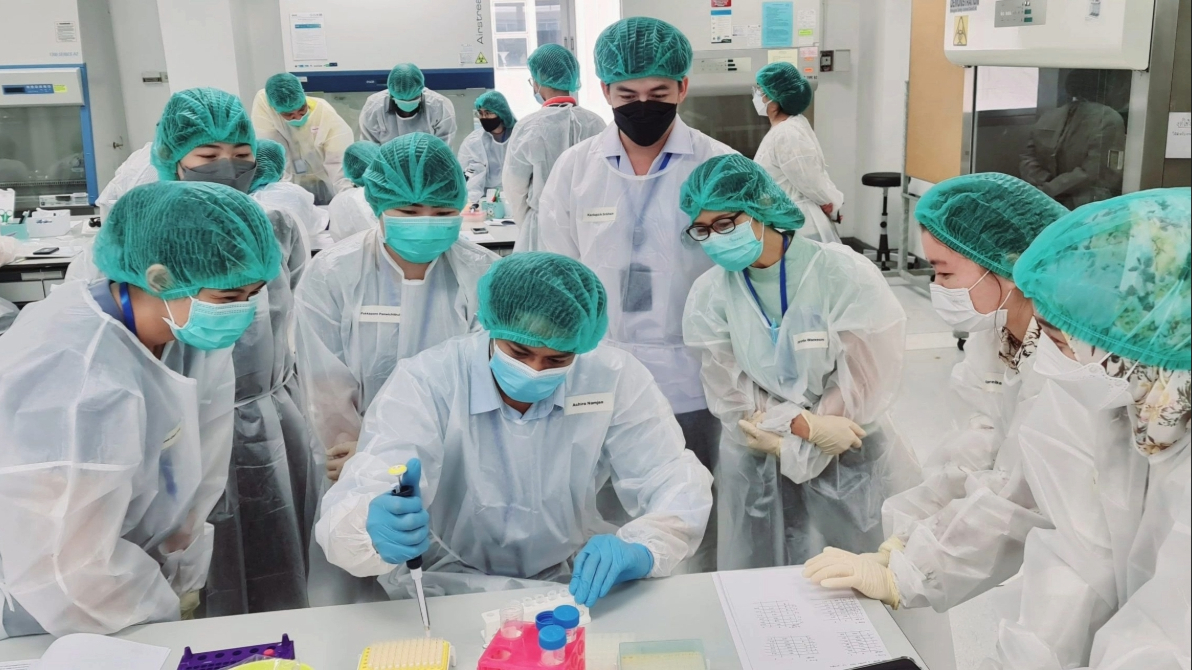
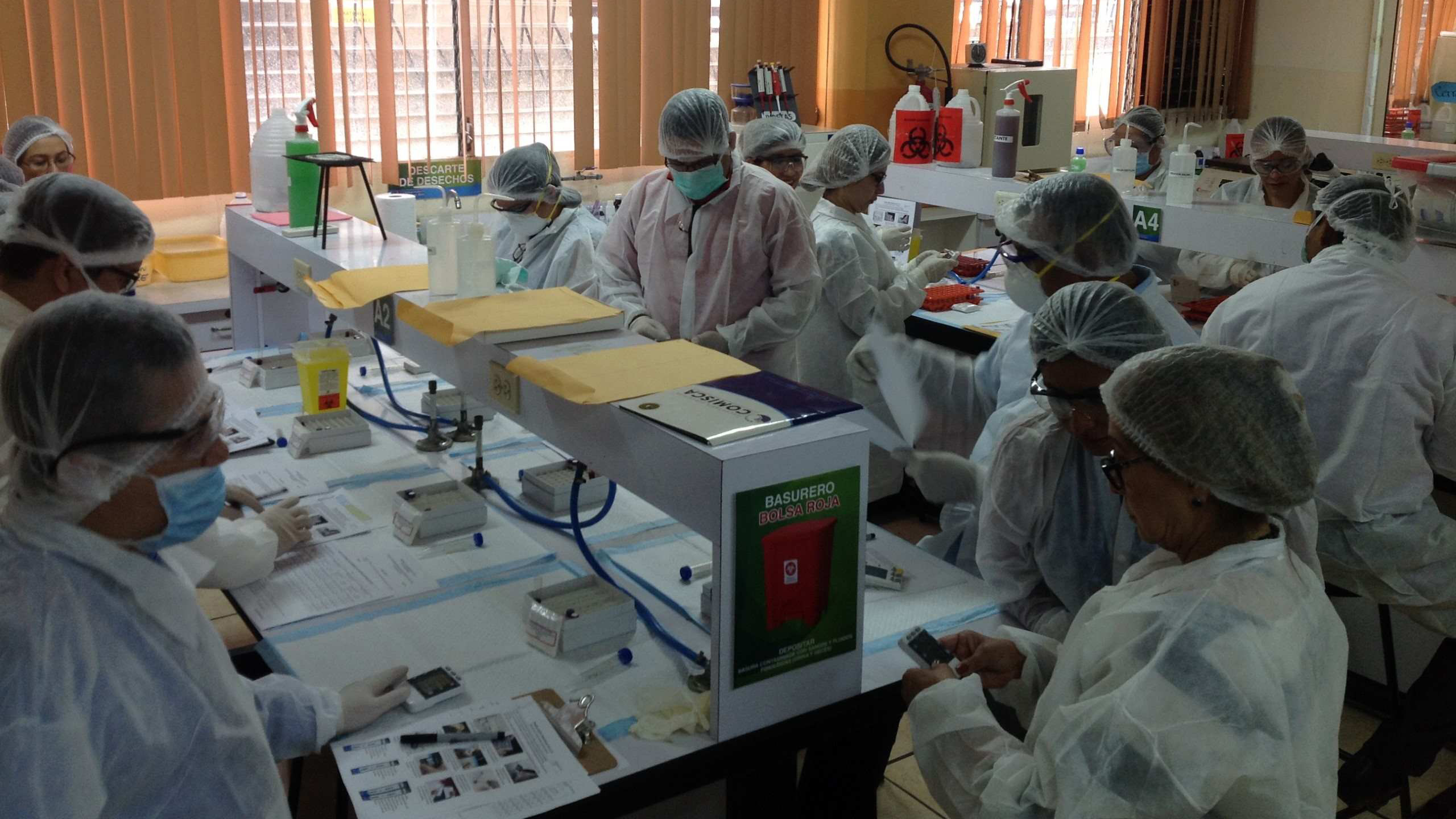
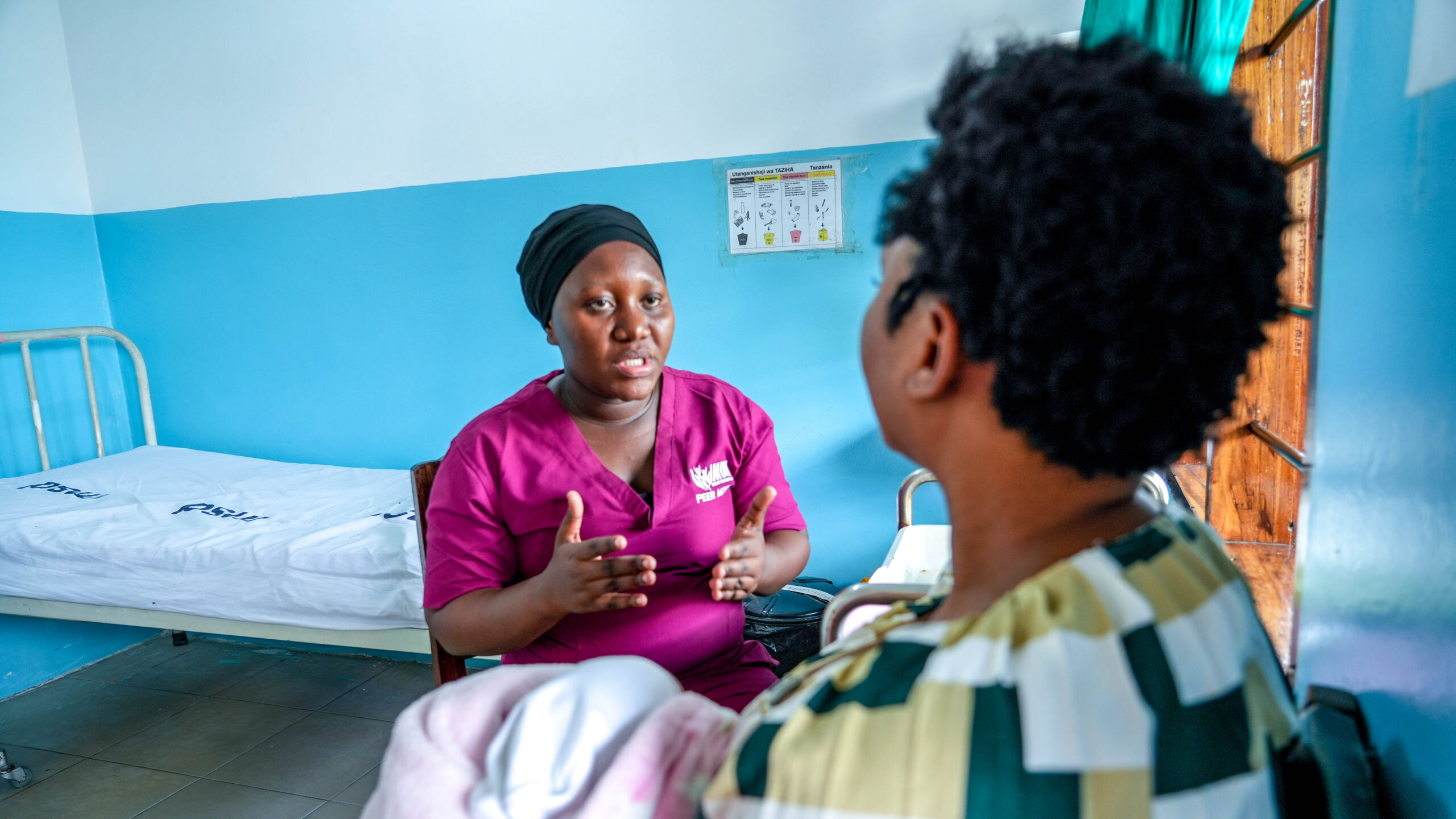
For over 30 years, CDC has supported capacity-building via Field Epidemiology Training Programs (FETP) in low- and middle-income countries. Traditionally designed to help countries respond to infectious disease threats, this flagship program is expanding to include training on noncommunicable diseases. FETP residents focused on noncommunicable diseases will follow the same core curriculum as others in the program, but their field work, projects, and other opportunities will focus on noncommunicable disease detection, analysis, and disease management approaches. These residents will also receive mentoring from CDC experts in project design and implementation, with the goal of producing a new generation of experts in noncommunicable disease prevention. Most graduates of FETPs continue in government service in their home countries and many become leaders within ministries of health as well as mentors to future groups of FETP residents. Some secure senior level public health positions in other countries or in non-governmental or multilateral organizations. In this way, the FETP builds essential public health capacity on many levels within countries and across regions.
Status
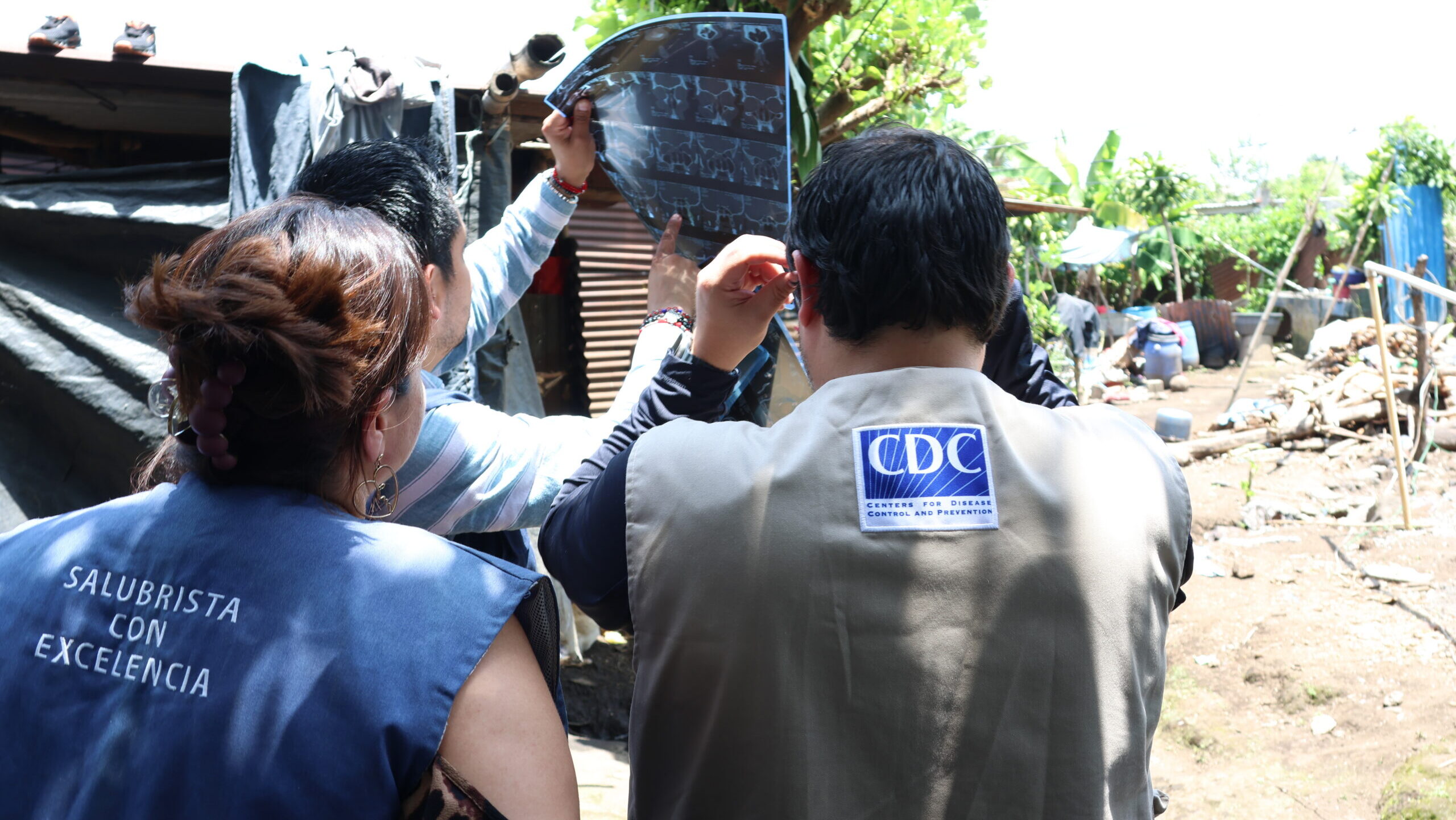
A local health official briefs Jawad Ashgar, MD (in white cap) and FETP team members about current disease surveillance in a medical camp in the Sindh Province.
Noncommunicable disease training modules for the FETP are being piloted in six countries: Brazil, China, Colombia, Jordan, Tanzania, and Thailand. FETP residents have begun noncommunicable disease field work. China FETP residents have conducted projects aimed at reducing salt intake among Beijing residents and measuring the effectiveness of new smoking policies preventing smoking in public places. FETP residents in Jordan are focusing on increasing physical activity throughout the country. The outcomes of these projects have the potential to influence noncommunicable disease programs and policies.
Vision for Growth
The pilot programs will inform expansion of FETP programs in 2012 and beyond. The six pilot FETP programs will serve as a platform to build skilled public health capacity in noncommunicable disease and injury prevention. A growing recognition of the noncommunicable disease burden matched with a growing pool of experts prepared to address these challenges encourage countries to develop units specifically tasked with noncommunicable disease prevention and control. This new direction for FETP will contribute to developing essential public health capacity around the world.
Get email updates about this site
Your email address: