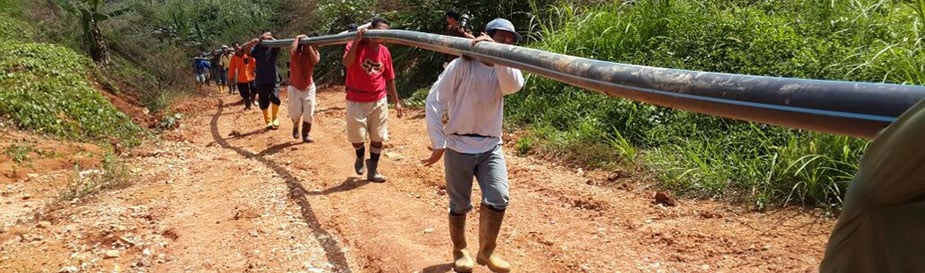
The Field Epidemiology Training Program (FETP) and the Field Epidemiology and Laboratory Training Program (FELTP), which offers an added laboratory component, are applied epidemiology programs offered by CDC to help foreign countries develop, set up, and implement dynamic public health strategies to improve and strengthen their public health system and infrastructure.
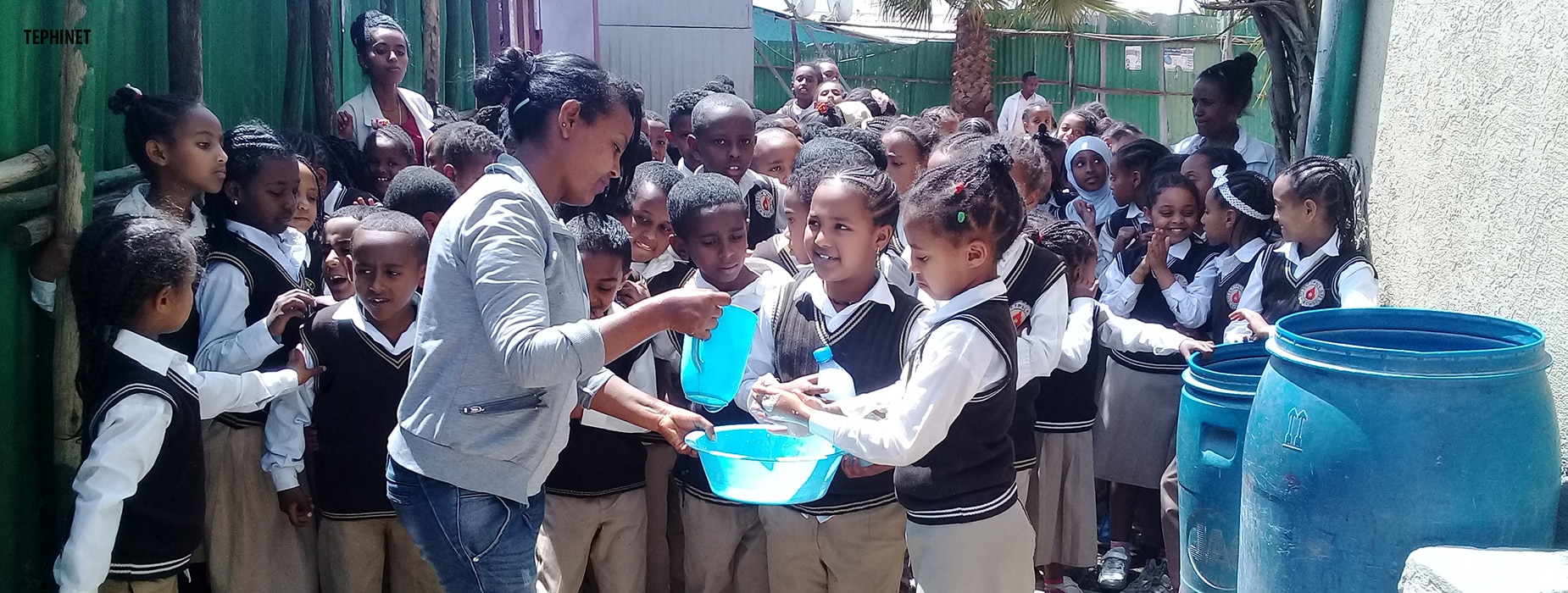
The program, which was started in 1980, is modeled after CDC's Epidemic Intelligence Service.
Partnerships and Funding
Developing partnerships is an important element of establishing, supporting, and sustaining our programs. We regularly collaborate with national and international organizations such as USAID, WHO, the Ellison Medical Foundation, the World Bank, and others.
To establish an FE(L)TP, we typically provide Ministries of Health with an in-country resident advisor for 4 to 6 years to help guide training and technical assistance.
In addition, countries that set up field-based training programs can collaborate with two field epidemiology non-profit network organizations to share resources and best practices among FE(L)TPs: the Training Programs in Epidemiology and Public Health Interventions Network (TEPHINET) and the African Field Epidemiology Network (AFENET).
CDC Staff
Our division“s teams of physicians, epidemiologists, public health advisors, instructional designers, health communication specialists, and support staff provide scientific expertise, training consultations, and other programmatic support and advice to enable foreign Ministries of Health enhance their own health protection and health promotion programs.
As of August 2009, there were 17 resident advisors supporting 12 programs covering 23 countries.
FE(L)TP Curriculum
The FE(L)TP is a 2-year, full-time training and service program, which involves classroom instruction and field assignments.
FE(L)TP trainees take courses in epidemiology, communications, economics, and management. They also learn about quantitative- and behavior-based strategies. In addition, FE(L)TP trainees work in the field, where they conduct epidemiologic investigations and field surveys; evaluate surveillance systems, perform disease control and prevention measures; report their findings to decision- and policy-makers; and train other health workers.
For more information on training and curriculum activities, go to the Training Materials section.
Related Links
Contact Us:
- Centers for Disease Control and Prevention
1600 Clifton Rd
Atlanta, GA 30333 - 800-CDC-INFO
(800-232-4636)
TTY: (888) 232-6348
24 Hours/Every Day - cdcinfo@cdc.gov