Skip directly to site content Skip directly to search
Español | Other Languages
Centers for Disease Control and Prevention. CDC twenty four seven. Saving Lives, Protecting People Centers for Disease Control and Prevention. CDC twenty four seven. Saving Lives, Protecting People
Stroke
    CDC Home

    Stroke

    Print
    Minus
    Related Pages

    Stroke is a leading cause of death in the United States and is a major cause of serious disability for adults. It is also preventable and treatable.

    Learn the signs of stroke, and call 9-1-1 right away if you think someone might be having a stroke. Getting fast treatment is important for preventing death and disability from stroke.

    Learn About Stroke and Its Causes
    Illustration of what a stroke does to your brain.

    Learn about stroke and how it happens.

    Know Your Risk for Stroke
    Woman holding a post-it note with No Smoking written on it.

    Find out what increases your risk for stroke.

    Treat and Recover From Stroke
    Senior citizens getting some exercise.

    Learn what steps you and your health care team can take after you have a stroke.

    Featured Resources
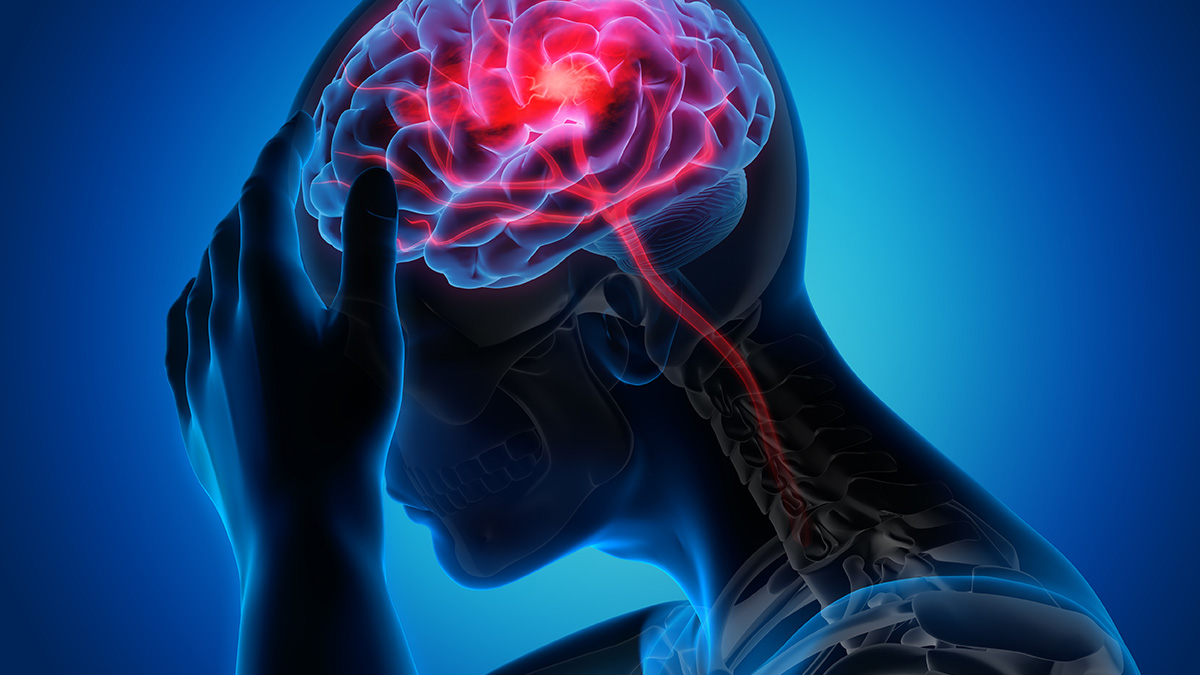
    Woman holding her head.
    Stroke Signs and Symptoms

    Learn what to do if you or someone else is having a stroke. By knowing the signs and symptoms of stroke, you can take quick action and perhaps save a life.

    A Black woman showing off her strong arms.
    “Live to the Beat” Campaign

    This Million Hearts® and CDC Foundation campaign focuses on empowering Black adults to pursue heart-healthy lifestyles on their own terms—to find what works best individually and consistently—as they live to their own beat.

    Last Reviewed: September 5, 2023
    Source: National Center for Chronic Disease Prevention and Health Promotion , Division for Heart Disease and Stroke Prevention
    • Facebook
    • Twitter
    • LinkedIn
    • Syndicate
    homeStroke Home
    • About Strokeplus icon
      • Stroke Signs and Symptoms
      • Women and Stroke
      • Pregnancy and Stroke: Are You at Risk?
      • Men and Stroke
    • Know Your Risk for Stroke
    • Prevent Stroke: What You Can Do
    • Stroke Facts
    • Treat and Recover from Stroke
    • Stroke Communications Kit
    • About CDC
    • Contact Us
    • 800-232-4636
    Facebook Twitter Instagram LinkedIn Youtube Pinterest Snapchat
    CONTACT CDC
    Contact Us
    Call 800-232-4636
    Email Us
    ABOUT CDC
    • About CDC
    • Jobs
    • Funding
    POLICIES
    • Accessibility
    • External Links
    • Privacy
    • Policies
    • No Fear Act
    • FOIA
    • OIG
    • Nondiscrimination
    • Vulnerability Disclosure Policy
    CONNECT WITH US
    • Facebook
    • Twitter
    • Instagram
    • LinkedIn
    • Youtube
    • Pinterest
    • Snapchat
    • Email
    LANGUAGES
    • Español
    • 繁體中文
    • Tiếng Việt
    • 한국어
    • Tagalog
    • Русский
    • العربية
    • Kreyòl Ayisyen
    • Français
    • Polski
    • Português
    • Italiano
    • Deutsch
    • 日本語
    • فارسی
    • English
    • U.S. Department of Health & Human Services
    • Accessibility
    • External Links
    • Privacy
    • Policies
    • No Fear Act
    • FOIA
    • Nondiscrimination
    • OIG
    • Vulnerability Disclosure Policy
    • USA.gov
    SAS stats

    Exit Notification / Disclaimer Policy

    Links with this icon indicate that you are leaving the CDC website.
    • The Centers for Disease Control and Prevention (CDC) cannot attest to the accuracy of a non-federal website.
    • Linking to a non-federal website does not constitute an endorsement by CDC or any of its employees of the sponsors or the information and products presented on the website.
    • You will be subject to the destination website's privacy policy when you follow the link.
    • CDC is not responsible for Section 508 compliance (accessibility) on other federal or private website.
    For more information on CDC's web notification policies, see Website Disclaimers.