



Key points
- CDC has a laboratory focused on innovative research related to pertussis and diphtheria.
- CDC maintains extensive culture collections that span several years and geographical locations.
- CDC can assist health departments and public health laboratories upon request.
- Stay up to date on how CDC can support laboratory testing for pertussis and diphtheria.
Our work
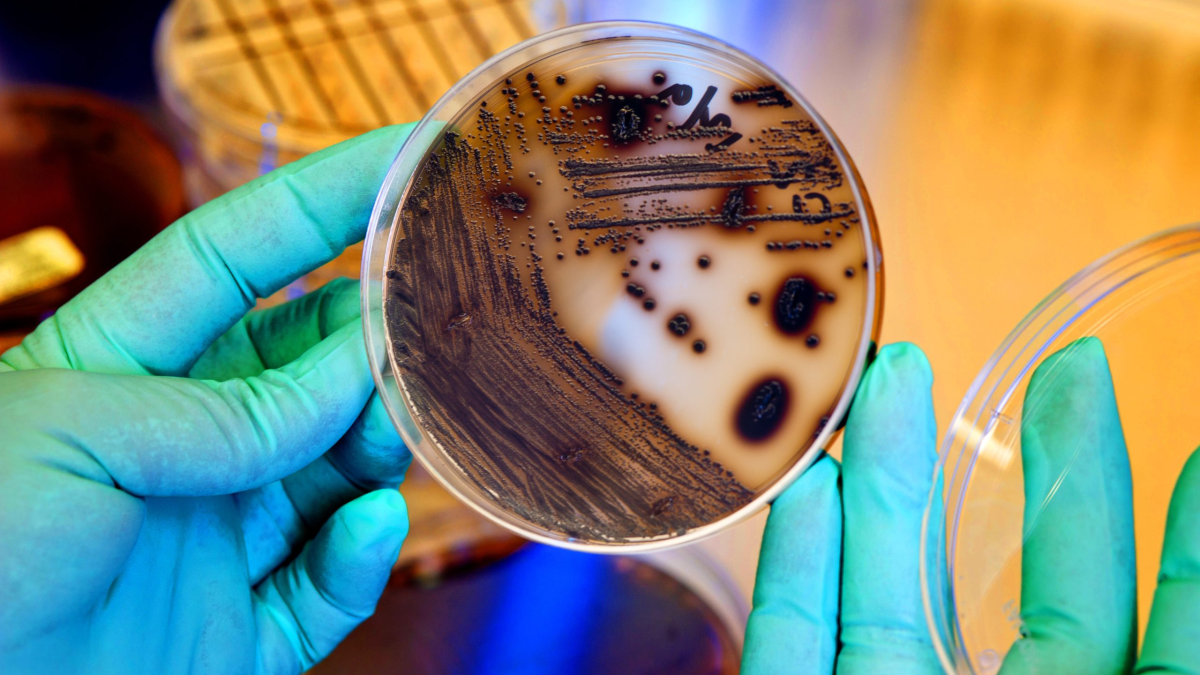
As its name implies, CDC's Pertussis and Diphtheria Laboratory focuses on pertussis- and diphtheria-related pathogens. CDC maintains extensive culture collections that span several years and geographical locations.
Pathogens related to pertussis and diphtheria
Pertussis
- Bordetella pertussis
- B. parapertussis
- B. holmesii
- B. bronchiseptica
Diphtheria
- Corynebacterium diphtheriae
- C. ulcerans
- C. pseudotuberculosis
Key Activities
Key activities for the Pertussis and Diphtheria Laboratory include:
- Researching new and improved laboratory methods
- Helping U.S. laboratories, including in response to outbreaks
- Building international diagnostic capacity
Innovative laboratory research
CDC's Pertussis and Diphtheria Laboratory works to enhance the diagnosis and surveillance of agents that cause pertussis or diphtheria.
The laboratory does that by researching methods to improve laboratory testing capabilities. Specifically, CDC actively develops, evaluates, implements, and improves molecular and serologic methods, techniques, and strategies.
U.S. laboratory support
Reference laboratory
As a reference laboratory, CDC's Pertussis and Diphtheria Laboratory supports U.S. health departments and public health laboratories with
- Pathogen isolation and identification from clinical specimens
- Outbreak response
- Priority public health concerns
Pathogen isolation and identification
Related to Bordetella and Corynebacterium, the laboratory can offer advice concerning laboratory procedures dealing with
- Isolation and identification of organisms from clinical specimens
- Detection of organisms by polymerase chain reaction
- Testing serum for immunoglobulin G antibodies to pertussis toxin
- Molecular characterization of organisms by next generation sequencing
U.S. health departments and public health laboratories can request assistance with isolation, identification, and molecular characterization when pertussis or diphtheria is suspected.
Why it's important
Confirming B. pertussis in the laboratory can be difficult. This difficulty contributes to under-reporting of disease. Problematic testing for B. pertussis can compromise
- Prevention programs
- Surveillance activities
- Vaccine effectiveness studies
- Outbreak management
CDC is the only laboratory in the United States currently able to test C. diphtheriae for toxin production. Toxin producing strains of C. diphtheriae are what cause diphtheria. Results of testing for toxin production impact
- Isolation recommendations
- Clinical guidance
- Public health actions
Outbreak response
Health departments can request assistance from CDC during outbreaks. Ask to be put in touch with the Meningitis, Pertussis, & Diphtheria Epidemiology Branch by either
- Calling 1-800-CDC-INFO
- Submitting a request online
The branch will make sure various experts, including laboratorians, are engaged based on the specific needs of each outbreak.
Priority public health concerns
Upon request, the laboratory can test for the presence of diphtheria toxin by the Elek assay for C. diphtheriae, C. ulcerans, and C. pseudotuberculosi isolates.
If there's a suspected diphtheria case that requires assistance, call CDC's Emergency Operations Center at 770-488-7100.
International capacity building
CDC actively participates in international capacity building and consultation for both diphtheria and pertussis diagnostics.
This page was last updated on this date. Updates may include minor edits, image changes, or other modifications to page content.
The information on this page was last reviewed by subject matter experts to ensure accuracy.