



At a glance
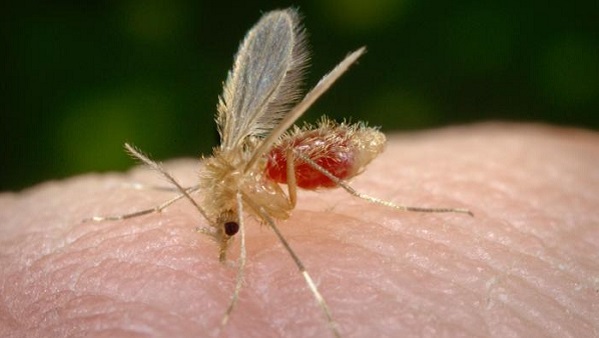
- Leishmaniasis risk depends on different factors, but anyone can be at risk if they live or travel in areas where it occurs and are exposed to infected sand flies.
Who's at risk
People of all ages are at risk for leishmaniasis if they live or travel in areas where it occurs and are exposed to infected sand flies. Children, the elderly, and people who are immune compromised are more likely to develop symptoms.
Times of increased risk
People of all ages are at risk for leishmaniasis if they live or travel in areas where it occurs and are exposed to infected sand flies. Children, the elderly, and people who are immunocompromised are more likely to develop symptoms.
Places with increased risk
Leishmaniasis occurs in approximately 90 countries in the tropics, subtropics, and southern Europe. The ecologic settings range from rain forests to deserts. Leishmaniasis is usually more common in rural than in urban areas, though it is found in the outskirts of some cities.
Climate and other variations in the environment have the potential to expand the geographic range or sand fly vectors, and thus areas of the world where leishmaniasis occurs.
In the Eastern Hemisphere, leishmaniasis occurs in parts of
- Asia
- The Middle East
- Africa (particularly in Northeastern Africa, with some cases elsewhere)
- Southern Europe
In the Western Hemisphere, leishmaniasis occurs in parts of
- Mexico
- Central America
- South America
- The southwestern United States
Leishmaniasis is not found in Australia, the Pacific Islands, Chile, or Uruguay.
Leishmaniasis in the United States
There have been occasional cases of locally acquired CL in the United States. Cases have been identified mostly in Texas, though some cases have been reported in Arizona and Oklahoma.