



Key points
- Legionnaires' disease is a serious type of pneumonia caused by Legionella bacteria.
- Certain people are at increased risk for this infection.
- Legionnaires' disease is treatable with antibiotics.
- People can get Legionnaires' disease by breathing in mist containing Legionella bacteria. In general, it isn't spread person to person.
- Know if you’re at risk of Legionnaires’ disease and talk to your healthcare provider if you're concerned.
What it is
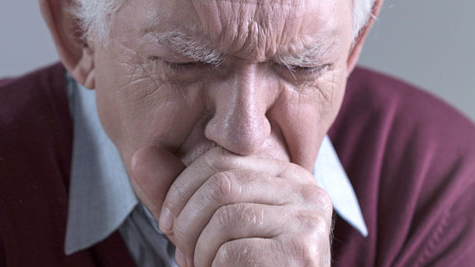
Legionnaires' disease is a type of serious pneumonia caused by a type of bacteria called Legionella.
Types
Legionella most commonly causes one of two diseases:
- Legionnaires' disease is a type of severe pneumonia
- Pontiac fever is mild illness that can include fever, muscle aches, and headaches
Rarely, Legionella can cause infections outside of the lungs, such as heart or wound infections.
Symptoms
Legionnaires' disease symptoms usually develop 2 to 14 days after exposure to Legionella bacteria, but it can take longer.
The symptoms of Legionnaires' disease are similar to other types of pneumonia.
Symptoms include:
- Cough
- Fever
- Headaches
- Muscle aches
- Shortness of breath
Other symptoms, such as confusion, diarrhea, or nausea can also occur.
Risk factors
Most healthy people exposed to Legionella don't get sick. However, certain factors put people at increased risk for developing Legionnaires' disease.
Causes
A type of bacteria called Legionella causes Legionnaires' disease. People can get Legionnaires' disease when they breathe in mist that contains the bacteria.
Prevention
The key to preventing Legionnaires' disease is to reduce the risk of Legionella growth and spread.
In buildings and public hot tubs
Building owners and managers can use a water management program to help control Legionella.
At home
There are steps people can take to help protect themselves from waterborne germs in their home.
In motor vehicles
Legionella can grow in the windshield wiper fluid tank of a vehicle, particularly if the tank is filled with water. To prevent growth and spread of Legionella, only use genuine windshield cleaner fluid and follow the vehicle manufacturer recommendations, if available.
Testing and diagnosis
A chest x-ray can confirm if someone has pneumonia. Other tests are needed to see if Legionella is causing someone's pneumonia:
- Urine test
- Laboratory test that involves taking one of the following samples:
- Sputum (phlegm)
- Washing from the lung
Reporting cases
If someone is diagnosed with Legionnaires' disease, the healthcare provider or lab that did the testing will report the case to the local or state health department. People can also report their case by contacting the health department of the state where they believe they were exposed. The health department will determine if an investigation is needed. Find more information about how to contact health departments at CDC's health department directory.
Treatment and recovery
Legionnaires' disease requires treatment with certain antibiotics. Most cases of this illness can be treated successfully. Identifying and treating the illness early can increase the chances of getting better.
Healthy people usually get better after being sick with Legionnaires' disease, but they often need care in a hospital.
Complications
Possible complications of Legionnaires' disease include:
- Lung failure
- Death
About 1 out of every 10 people who gets sick with Legionnaires' disease will die due to complications from their illness. For those who get Legionnaires' disease during a stay in a healthcare facility, about 1 out of every 4 will die.
History
Legionella was discovered after an outbreak in 1976 among people who went to a Philadelphia convention of the American Legion. Those who were affected suffered from a type of pneumonia that eventually became known as Legionnaires' disease.
Resources
General resources
Fact sheet: Legionnaires' disease
Infographic: How Legionella affects building water systems and people
For professionals
How to control Legionella
For building owners and managers
How to investigate Legionnaires' disease
For public health professionals