Living with Spina Bifida: Adolescents and Teens
Many physical, mental, emotional, and social changes are associated with the adolescent and teen years. Teens and adolescents develop their own personalities and interests and want to become more independent.
This transition period can be challenging, especially for people affected by spina bifida. It is important for the parents and caregivers of adolescents and teens with spina bifida to take active steps toward making them independent starting in childhood, so that by the time they are older they can develop the necessary skills to help them reach their full potential.
Physical Health
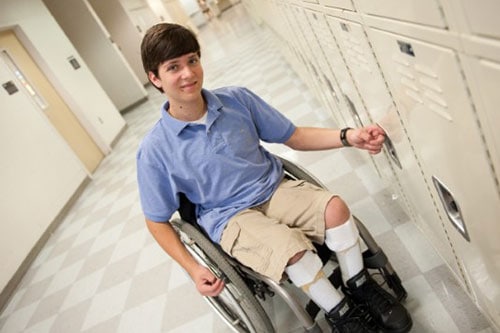
As people with spina bifida mature, they will perform more and more activities themselves. Most teens will dress and bathe themselves, manage their bathroom plans, and move about independently in their homes and communities. They might begin to make their own doctor appointments and continue to participate in updating their own Individualized Education Plan (IEP) or 504 Plan, if they have one. They also should participate in a seating or wheelchair evaluation at least once each year if they use a wheelchair. This evaluation will make sure the wheelchair fits correctly and makes moving as easy as possible.
The Spina Bifida Association has created materials to help patients maintain healthy skin.
Did You Look? Healthy Skin Starts With You!
Mobility and Physical Activity
People with spina bifida higher on the spine (near the head) might have paralyzed legs and use wheelchairs. Those with spina bifida lower on the spine (near the hips) might have more use of their legs and use crutches, braces, or walkers, or they might be able to walk without these devices.
A physical therapist can work with adolescents and teens to teach them how to exercise their legs to increase strength, flexibility, and movement.
Regular physical activity is important for all teens and adolescents, but especially for those with conditions that affect movement, such as spina bifida. CDC recommends 60 minutes of physical activity a day. There are many ways for teens and adolescents with spina bifida to be active. For example, they can:
- Engage in physical activities with friends.
- Roll or walk in the neighborhood.
- Lift weights.
- Participate in sports activities (for example, swimming) and on teams for people with and those without disabilities.
- Attend summer camps and recreational facilities that are accessible for those with disabilities.
For more information, please visit the following websites:
National Center on Health, Physical Activity and Disability (NCHPAD)- Spina Bifida Guidelines
Adaptive Physical Activity Disabled Sports USA
Sexual Health and Sexuality
Parents and caregivers of adolescents and teens with spina bifida can encourage them to talk with their healthcare professional about sexuality and sexual functioning, contraceptives, and reproductive concerns.
Spina bifida causes nerve damage that can affect sexual functioning. Most people with spina bifida are fertile, and can have children.

Folic Acid
Folic acid is very important. All women who can get pregnant should be sure to take 400 micrograms (µg) of folic acid every day, even if they aren’t planning a pregnancy anytime soon. If a woman has enough folic acid in her body before and during pregnancy, it can help prevent major birth defects of the baby’s brain and spine―including spina bifida.
A woman with spina bifida who is planning to get pregnant should talk with her doctor about getting a prescription to take 4,000 µg (4.0 milligrams) of folic acid one month before pregnancy and during early pregnancy.
For more information, please visit the following websites:
Health care for men with spina bifida
Health care for women with spina bifida
Mental Health and Well-Being
Overall mental health and well-being are very important for everyone. Mental health is how people think, feel, and act as they cope with life. To be at their best, people need to feel good about their lives and value themselves.
Teens and adolescents with spina bifida might feel isolated from others, or have low self-esteem. This can cause them to become depressed. There are different ways to treat depression. Exercise can be effective. Counseling or medication also might be needed.
Everyone feels worried, anxious, sad, or stressed sometimes. If these feelings do not go away and they interfere with daily life, adolescents and teens should talk with other people, such as a family member, school counselor, or healthcare professional, about their feelings. Depression and other mental health concerns can be treated.
If you have questions about mental health or where to get mental health services, your doctor or a licensed mental health professional in your community may be able to answer those questions or refer you to someone who can. A nearby health facility or your state mental health agency also may be able to help.
For more information, please visit the following websites:
Safety
Safety is important for adolescents and teens with spina bifida. They can be at higher risk for injuries and abuse. As they become more independent, it is important for them to learn how to stay safe and what to do if they feel threatened or have been hurt in any way.
For more information, please visit the following websites:
Teens (Ages 12-19) – Safety in the Home & Community
Bullying Among Children and Youth with Special Needs and Disabilities
Getting Around
Being safely mobile in their homes and communities will help adolescents and teens become more independent. To do this, they will need to find and use transportation safely.
Many teens with spina bifida have issues that can affect safe driving. A driver rehabilitation evaluation specialist can identify what these issues are and whether modifications to the car would make it accessible for a teen with spina bifida.
Parents and caregivers can also help teens learn to safely use buses, cabs, and ride-hailing services.
Looking to the Future
Teens with spina bifida and their families should begin planning for life after high school. This includes:
- Looking for doctors that treat adults with spina bifida.
- Deciding if the person affected by spina bifida will live outside of his or her parents’ home.
- Choosing work.
- Exploring college or vocational school opportunities.
- Being volunteers in the community.
- Having healthy relationships.
Planning early can help make the years ahead easier.
Finding Support
Having support and community resources can help increase confidence in managing spina bifida, enhance quality of life, and assist in meeting the needs of all family members. It might be helpful for parents of children with spina bifida to talk with one another. One parent might have learned how to address some of the same concerns another parent has. Often, other parents of children with special needs can give advice about good resources for these children.
Remember that the choices of one family might not be best for another family, so it’s important that parents understand all options and discuss them with their child’s health care providers.
- A Spina Bifida Association (SBA) Chapter is a great place to connect with other families. The SBA website can provide information on how to find a local chapter.
- Connect online with others.
- National Resource Center Get information and find clinics or health care providers who are experts on spina bifida.
References
- Sandler, Adrian, M.D.(2004). Living with Spina Bifida: A Guide for Families and Professionals. University of North Carolina Press: Chapel Hill.
- Spina Bifida Association. Guidelines for the Care of People with Spina Bifida. 2018. http://www.spinabifidaassociation.org/guidelines/
- The Association for Driver Rehabilitation Specialists. Driving and Spina Bifida.