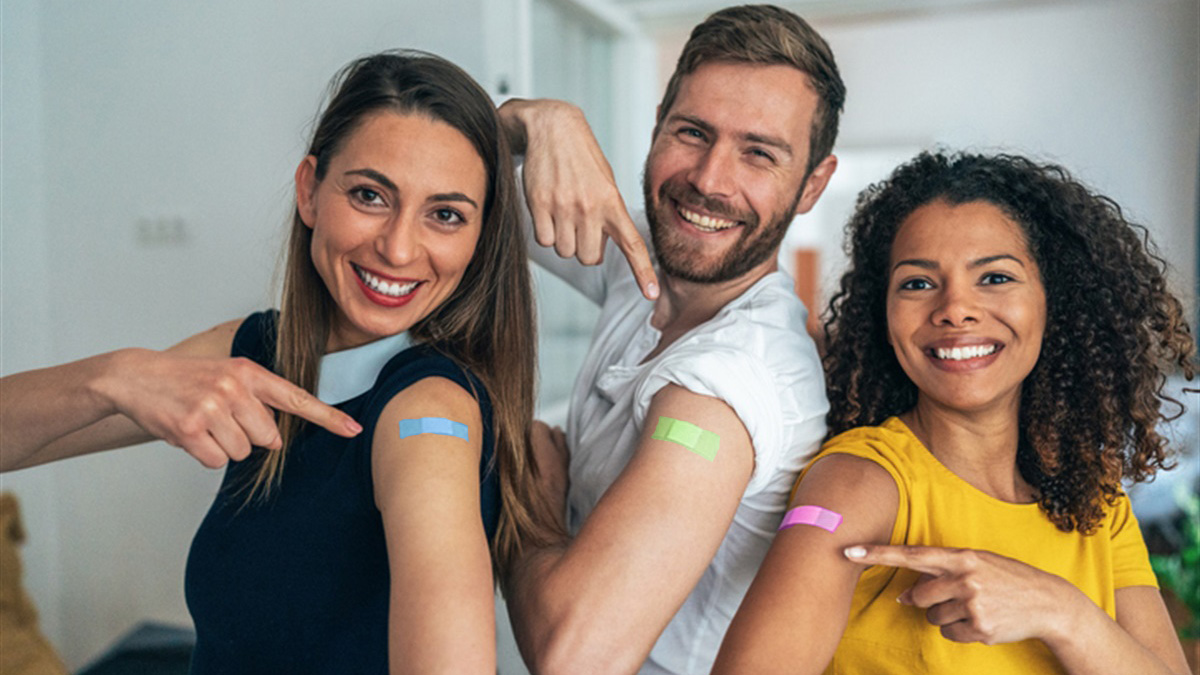
Reasons to Vaccinate
Diseases Can Be Serious and Sometimes Deadly
Before the introduction of vaccines, millions of people died or were severely affected by diseases like polio, diphtheria, and smallpox. Vaccines have saved countless lives and reduced or eliminated deaths from many diseases in the past century.
However, thousands of people still become ill, are hospitalized, or die every year due to disease for which vaccines are available. Read stories of real families who have been affected by vaccine-preventable diseases.
When you are not up-to-date on your vaccines, you leave yourself and your loved ones vulnerable to serious diseases like influenza, hepatitis, and pneumococcal disease. Some diseases, like pertussis (or whooping cough), can be tough enough on an adult—but may be deadly for a newborn or young children. Vaccines can reduce the risk of diseases ranging from severe bacterial infections, persistent and painful viruses, and even cancer.
Vaccines Protect Us and Our Loved Ones From Disease
Find out which vaccines you need and get vaccinated.
Vaccines work with the body’s natural defenses to safely develop immunity to disease and reduce your chances of getting certain diseases and suffering from their complications. For instance, getting vaccinated against hepatitis B can also reduce your risk of liver cancer. Getting vaccinated against HPV reduces your risk of cervical cancer. And, getting the flu vaccine reduces your risk of influenza-related heart attacks or other flu related complications from existing health conditions like diabetes and chronic lung disease. Read more about understanding how vaccines work [414KB, 2 pages].
Getting vaccinated can also help stop the spread of disease. This is important because some people in your family or community may not be able to get certain vaccines due to their age or health condition, and could be at high risk for complications if they get vaccine-preventable diseases. For example, newborns are too young to be vaccinated against whooping cough but it can be very dangerous or even deadly for them. This makes it really important that anyone in contact with young babies, especially expectant mothers, get Tdap vaccine so they can help protect them.
Getting Vaccinated In a Safe and Important Step to Stay Healthy
Vaccines are one of the safest ways to protect your health. Because we have many systems to test and track vaccines, the United States continues to have the safest vaccine supply in history. Years of testing are required by law before a vaccine can be licensed by the Food and Drug Administration. Once a vaccine is licensed, the CDC sets the U.S. immunization schedule based on recommendations by the medical and scientific experts on the national Advisory Committee on Immunization Practices. The safety of vaccines is monitored carefully by several coordinated systems. Like any medicine, side effects can occur with vaccines. Mostly these are minor (for example, a sore arm) and go away within a few days. Serious adverse events from vaccines are very rare.
Vaccines are an important step in preventing illness. Those who have had to suffer through diseases like shingles, battle cervical cancer, or have been hospitalized because of flu complications understand the benefits of protection from vaccines. Preventing illness becomes a real priority for those who have to worry about missing work, medical bills, or not being able to care for family.
Images and logos on this website which are trademarked/copyrighted or used with permission of the trademark/copyright or logo holder are not in the public domain. These images and logos have been licensed for or used with permission in the materials provided on this website. The materials in the form presented on this website may be used without seeking further permission. Any other use of trademarked/copyrighted images or logos requires permission from the trademark/copyright holder...more
This graphic notice means that you are leaving an HHS Web site. For more information, please see the Exit Notification and Disclaimer policy.
Contact Us:
- Centers for Disease Control and Prevention
1600 Clifton Rd
Atlanta, GA 30333 - 800-CDC-INFO
(800-232-4636)
TTY: (888) 232-6348
Contact CDC-INFO