Module 3:
Objective and Engaged Developmental Monitoring


Understanding what developmental monitoring is
1
How to use CDC tools for developmental monitoring
2
How to help families when there are concerns about development
3
Developmental monitoring means looking for developmental milestones over time and keeping a record of milestones you see.
Using milestone checklists in developmental monitoring will help you:
Sharing milestone checklists with families and encouraging them to use them at home can also help families become better observers of their own children’s development. Using a checklist at home may confirm for families that their child is developing as he or she should, or it may give them the knowledge and self-confidence to talk with you and their healthcare provider about their concerns.
Different childrearing practices and cultural expectations can influence a child’s developmental milestones. For example, making eye contact or copying others might be examples of developmental milestones that are not typical in some cultures.

Learn the Signs. Act Early. resources, including checklists are available at www.cdc.gov/ActEarly. Visit the website to view, print, and begin using today!
CDC’s Learn the Signs. Act Early. materials, including milestone checklists and other helpful tools, are available at www.cdc.gov/ActEarly. Visit the website to view them, print them, and begin using them today!
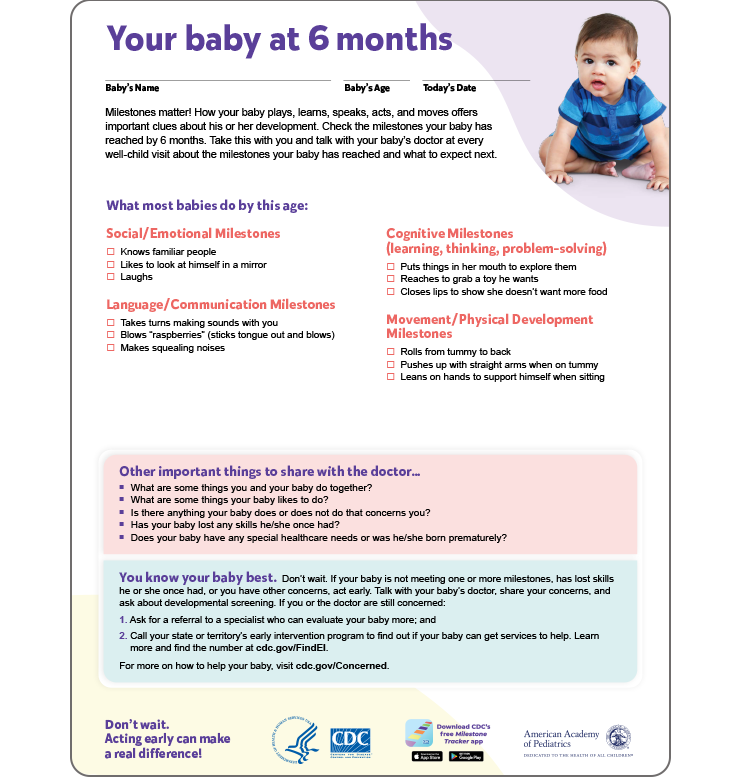
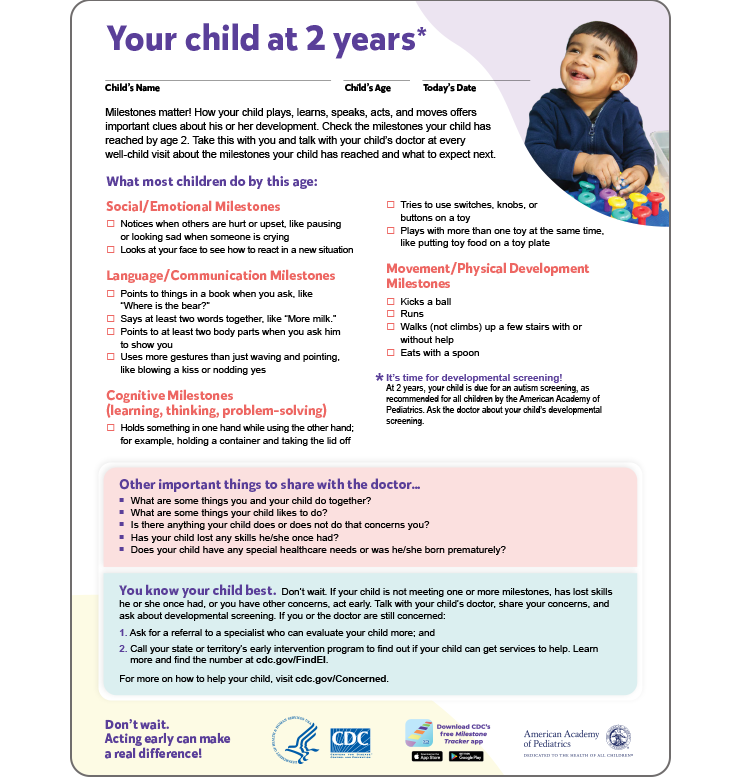
Milestone Checklists include a list of age specific developmental milestones and important information to share with the child's healthcare provider.
Features:
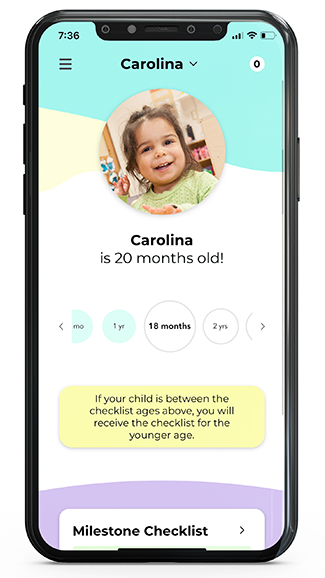
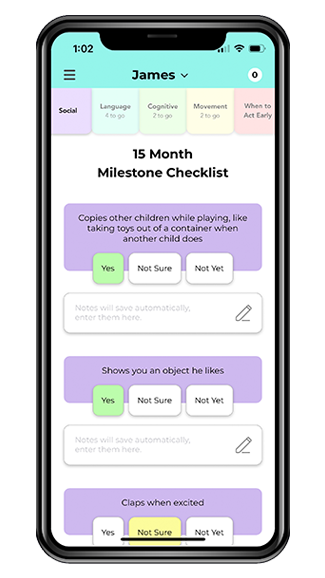
CDC's FREE Milestone Tracker app helps families and early care and education providers track child’s milestones from age 2 months to 5 years, using a smart phone or tablet. You can use the app to track the milestones of multiple children, view a photo or video of each milestone, quickly reference milestones by age and category, and find out what to do if you are ever concerned about a child's development.
Features:
Download today from the App Store or Google Play!


The Milestone Moments Booklet is a 42-page mini-booklet that includes full milestone checklists from 2 months through 5 years of age, with milestones and tips for each age. It also includes age-appropriate activities that you can try in the classroom and families can try at home to help their children learn and grow. This booklet is intended to be kept and used over time.
Features:
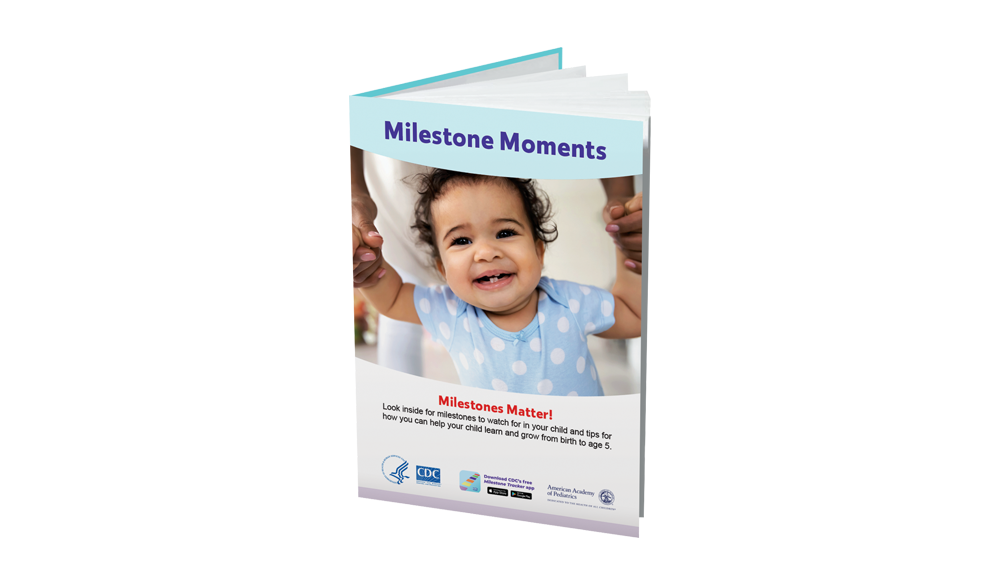
View and Print English and Spanish Booklets Now
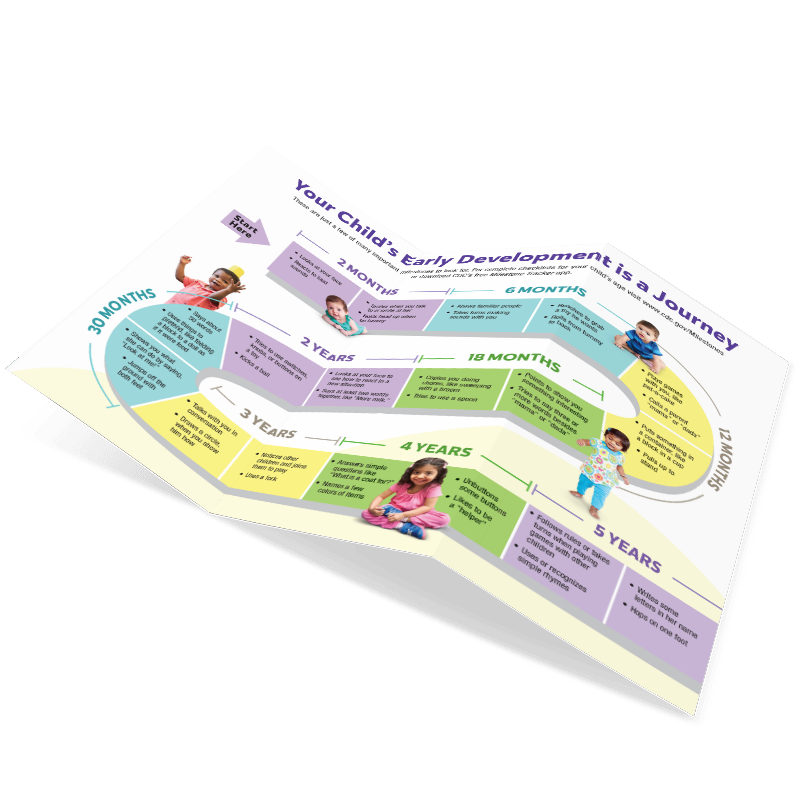
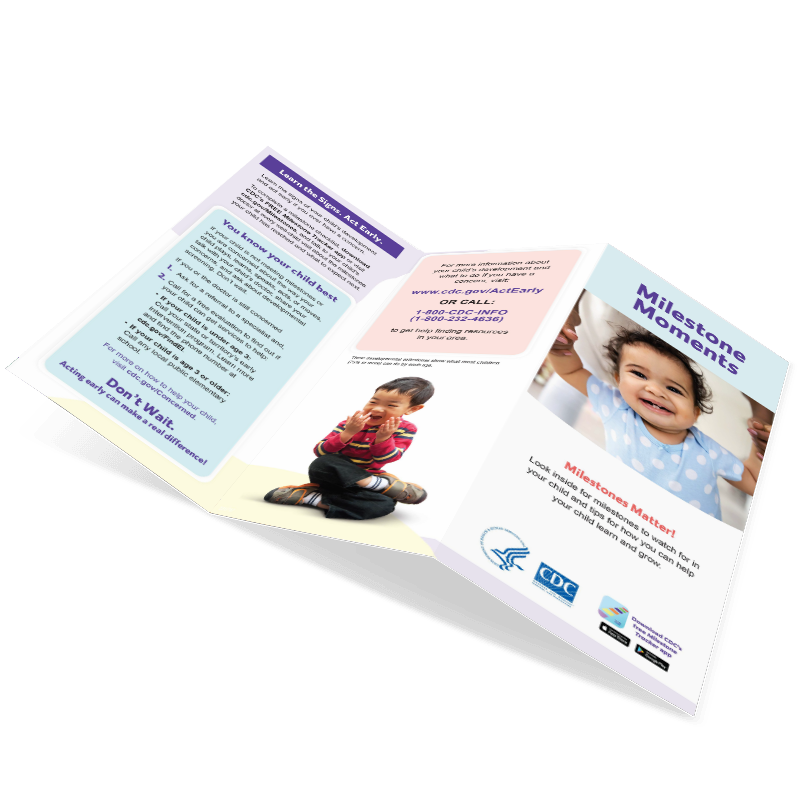
The Milestones Brochure is a colorful and engaging trifold brochure that introduces a few key milestones for ages 6 months to 4 years and explains the importance of looking for milestones and acting early on concerns about development.
Features:
View and Print English Brochure and Additional Languages Now
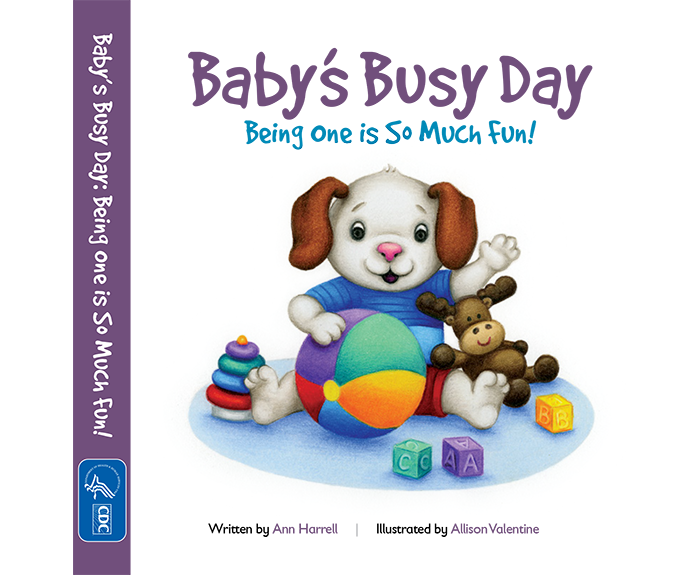
Meet Baby, a one-year-old puppy who is having a very busy day! Follow along as Mom, Dad, and Sis engage Baby throughout his day while encouraging his development along the way! As you read this fun story with your little one, keep an eye out for the paw prints to learn what one-year-old milestones to look for in your baby’s development, and the hearts for tips on how you can help!
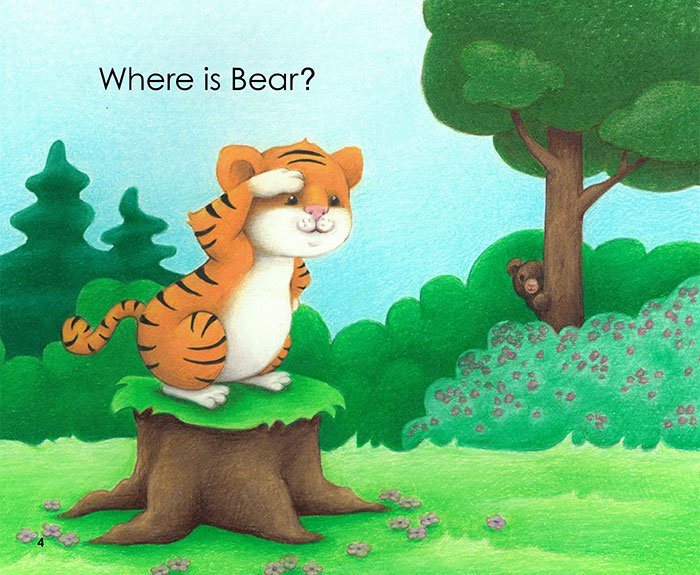
This children's book is a terrific tale for 2-year-old children! This engaging and interactive book encourages children to help Tiger and his forest friends in their search to find Bear. With each turn of the page, children will get closer to finding Bear and teachers and families will learn about many important milestones to look for in 2-year-old children.
Features:

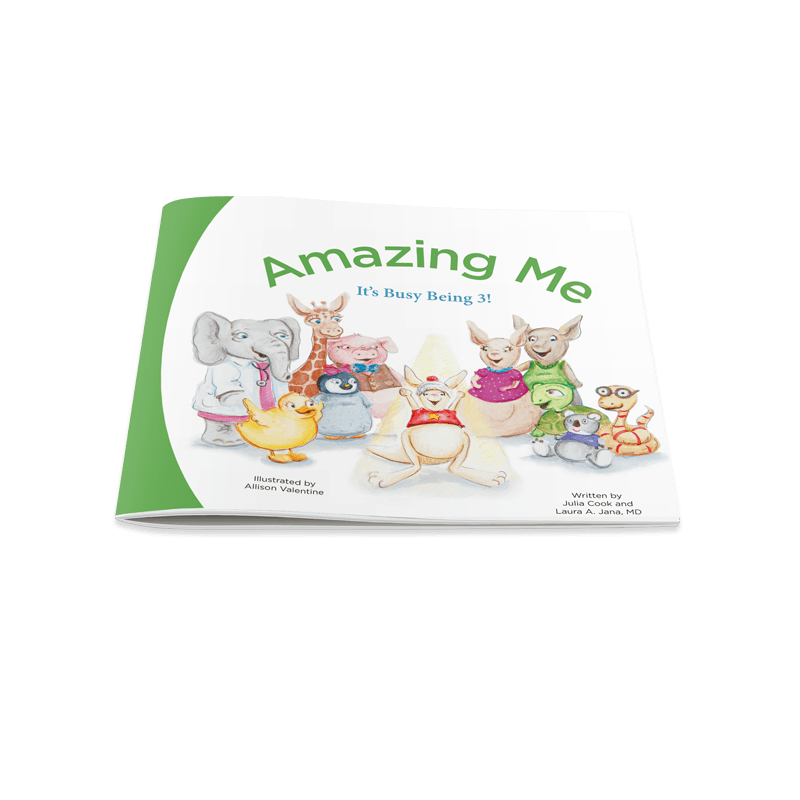
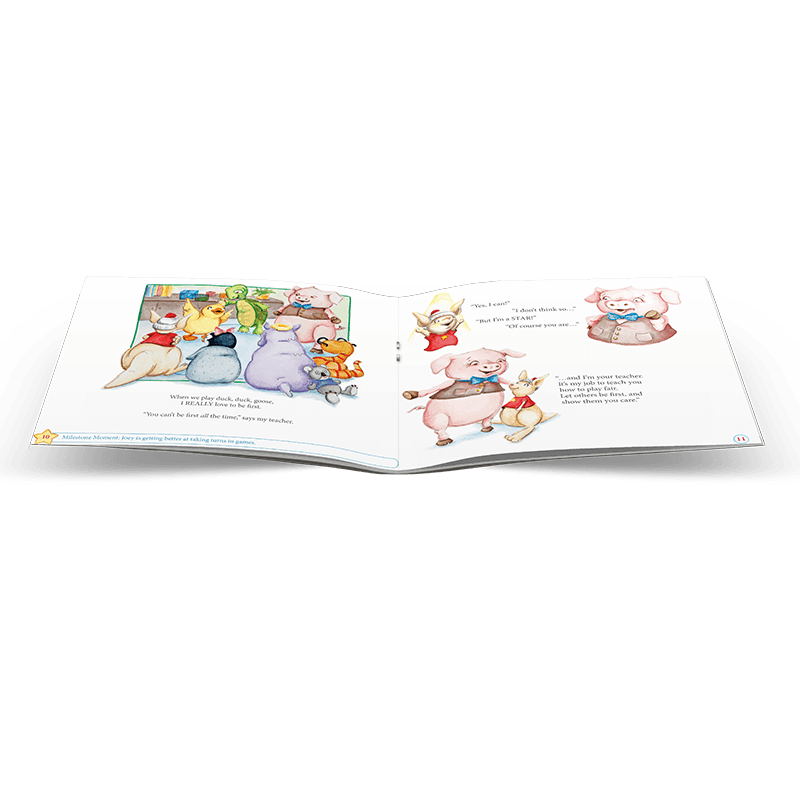
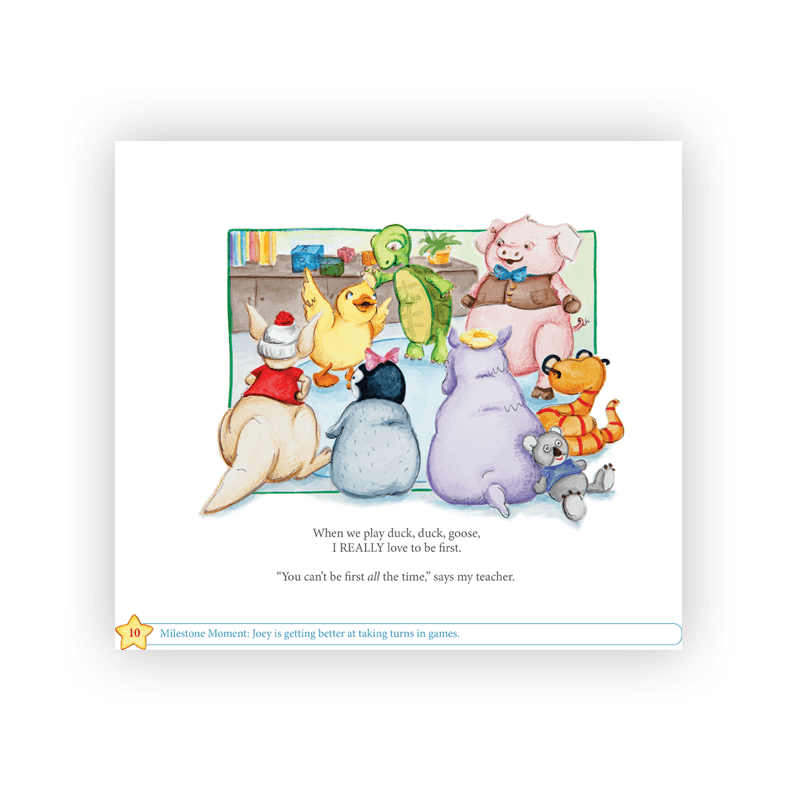
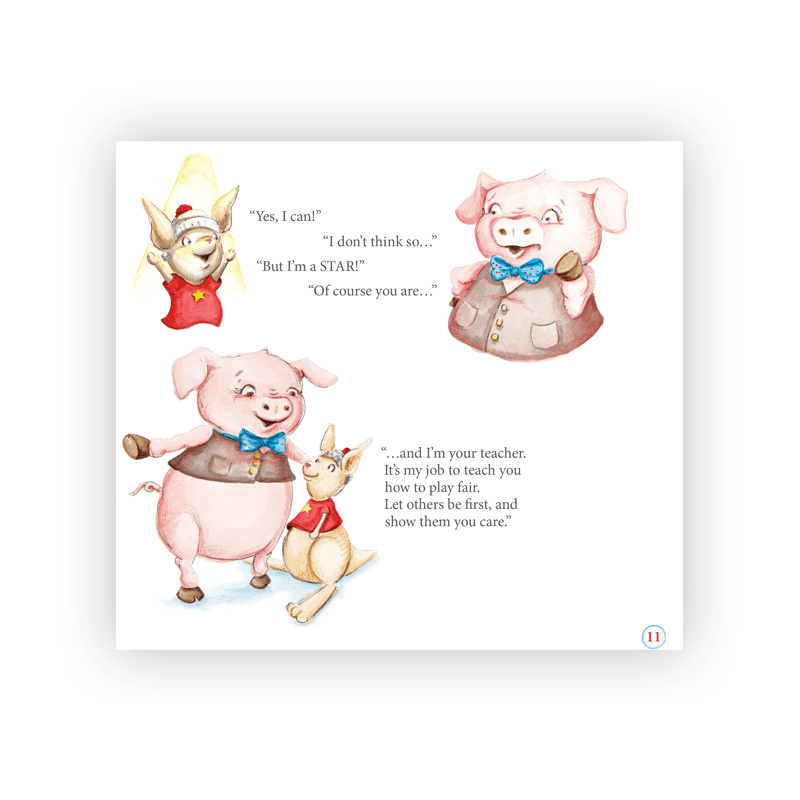
This children’s book, for kids 2½ through 4 years of age, is really AMAZING! It tells the story of Joey and all the things he can do now that he is 3. Throughout the story, Joey’s amazing developmental milestones are called out for teachers and families at the bottom of almost every page. It’s another great reminder of all the AMAZING developmental milestones to be looking for each day!
Features:

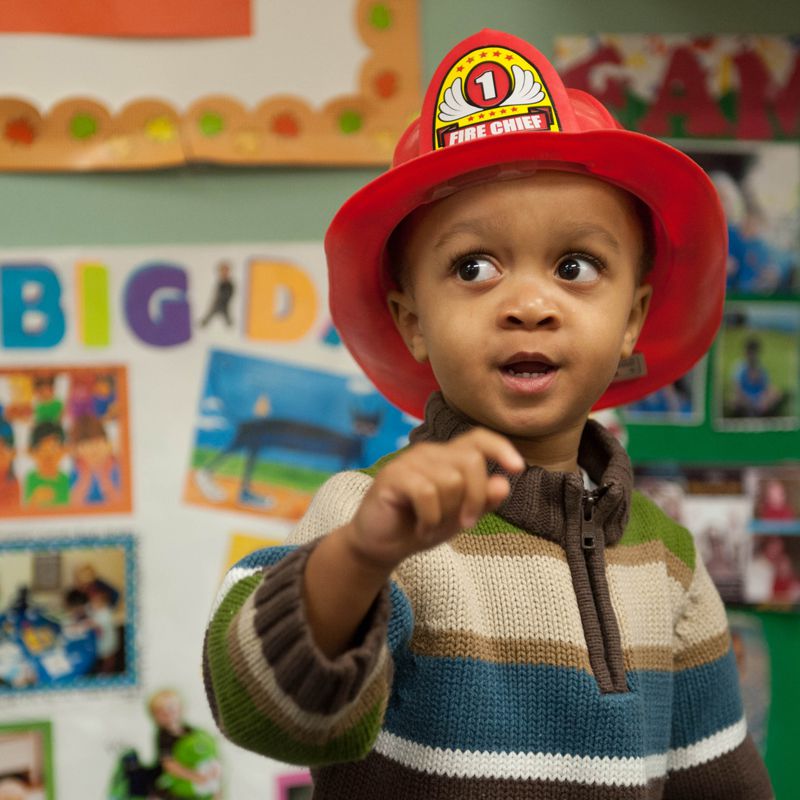
At some point, there are likely to be children in your care who are not meeting developmental milestones as expected. You can play an integral role in helping these children get the help they might need to reach their full potential.
Supporting a family with your encouragement to act early on concerns about a child’s development is a critical step toward helping a child get the early services he or she might need.
A first step in supporting a family to act early is to understand the process of referrals and next steps so that you can help families navigate through it.
You’ve learned about developmental monitoring and how to do it earlier in this module.
It is important for families to talk with their child’s doctor about the milestones their child has reached and what to expect next. Ask families to take their milestone checklists to their child’s primary healthcare provider or medical home. It is especially important that families have that conversation if they are concerned about their child’s development.
If you or someone in your center conducts developmental screens for the children in your care, be sure to give the families the screen result and encourage them to share that information with the child’s doctor. If you don’t conduct screening, encourage the family to ask their child’s doctor about conducting a developmental screen. If the family does not have a regular doctor for their child, you can help them find one.
The child may also be referred to a specialist such as a developmental pediatrician, child neurologist, or child psychologist for a more in-depth medical evaluation that may lead to a specific diagnosis of a developmental disability or other condition. Referrals to a specialist are usually provided by the child’s healthcare provider, but other early childhood professionals can help the family get this type of referral.
If a family is worried about his or her child’s development, or if results of developmental monitoring or screening indicate developmental concerns, then you can encourage the family to call their local early intervention provider or local elementary school for a more detailed developmental evaluation to see if he or she would benefit from services such as speech therapy, physical therapy, or other specialized services. In some cases, sending a written request for an evaluation can help avoid delays; you can assist the family in writing this letter.
The evaluation is free or low cost if conducted by the local public early intervention system or public school system. It determines whether a child is eligible for services but does not usually provide a diagnosis of any specific developmental disability.
If you work in a child care center or for another employer, make sure you know your center's policies. Be aware of your center’s referral procedures, and let your supervisor know you plan to refer a family to early intervention services.
Families do NOT need a doctor’s referral or medical diagnosis to contact their early intervention system or public school to request an evaluation for services.
Choose one Learn the Signs. Act Early. material and describe how you can use it in your work with children and families. List the steps you need to get this started.
I choose the Milestones Brochure.
To get started, I will:
Are you ready to take the quiz now?
You must pass all module quizzes to receive continuing education credit.