Persons using assistive technology might not be able to fully access information in this file. For assistance, please send e-mail to: mmwrq@cdc.gov. Type 508 Accommodation and the title of the report in the subject line of e-mail.
Prevention and Control of Influenza
Recommendations of the Advisory Committee on Immunization
Practices (ACIP), 2007
Prepared by
Anthony E. Fiore, MD1
David K. Shay, MD1
Penina Haber, MPH3
John K. Iskander, MD3
Timothy M. Uyeki, MD1
Gina Mootrey, DO2
Joseph S. Bresee, MD1
Nancy J. Cox, PhD1
1Influenza Division, National Center for Immunization and Respiratory Diseases
2Immunization Services Division, National Center for Immunization and Respiratory Diseases
3Immunization Safety Office, Office of the Director
The material in this report originated in the National Center for Immunization and Respiratory Diseases, Anne Schuchat, MD, Director; the
Influenza Division, Nancy Cox, PhD, Director; and the Immunization Services Division, Lance Rodewald, MD, Director.
Corresponding preparer: Anthony Fiore, MD, Influenza Division, National Center for Immunization and Respiratory Diseases, CDC, 1600
Clifton Road, NE, MS A-20, Atlanta, GA 30333. Telephone: 404-639-2552; Fax: 404-639-2334; E-mail: afiore@cdc.gov.
Summary
This report updates the 2006 recommendations by CDC's Advisory Committee on Immunization Practices (ACIP)
regarding the use of influenza vaccine and antiviral agents
(CDC. Prevention and control of influenza: recommendations of
the Advisory Committee on Immunization Practices [ACIP]. MMWR 2006;55[No.
RR-10]). The groups of persons for whom vaccination is recommended and the antiviral medications recommended for chemoprophylaxis or treatment (oseltamivir
or zanamivir) have not changed. Estimated vaccination coverage remains <50% among
certaingroups for whom routine annual vaccination is recommended, including young children and adults with risk factors for influenza complications,
health-care personnel (HCP), and pregnant women. Strategies to improve vaccination coverage, including use of reminder/recall systems
and standing orders programs, should be implemented or expanded. The 2007 recommendations include new and
updated information. Principal updates and changes include 1) reemphasizing the importance of administering 2 doses of vaccine to
all children aged 6 months--8 years if they have not been vaccinated previously at any time with either
live, attenuated influenza vaccine (doses separated by
>6 weeks) or trivalent inactivated influenza vaccine (doses separated by
>4 weeks), with single annual doses in subsequent years;
2) recommending that children aged 6 months--8 years who received only 1 dose in their first year
of vaccination receive 2 doses the following year, with single annual doses in subsequent
years; 3) highlighting a previous recommendation that all persons, including school-aged children, who want to reduce the risk of becoming ill with influenza or
of transmitting influenza to others should be vaccinated;
4) emphasizing that immunization providers should offer influenza
vaccine and schedule immunization clinics throughout the influenza season;
5) recommending that health-care facilities consider the level
of vaccination coverage among HCP to be one measure of a patient safety quality program and implement policies to encourage
HCP vaccination (e.g., obtaining signed statements from
HCP who decline influenza vaccination); and 6) using the 2007--2008
trivalent vaccine virus strains A/Solomon Islands/3/2006 (H1N1)-like (new for this season), A/Wisconsin/67/2005 (H3N2)-like, and
B/Malaysia/2506/2004-like antigens. This report and other information are available at CDC's influenza website
(http://www.cdc.gov/flu). Updates or supplements to these recommendations (e.g., expanded age or risk group indications for currently licensed
vaccines) might be required. Immunization providers should be alert to announcements of recommendation updates and should check
the CDC influenza website periodically for additional information.
Introduction
In the United States, annual epidemics of influenza occur typically during the late fall and winter seasons; an annual
average of approximately 36,000 deaths during 1990--1999 and 226,000 hospitalizations during 1979--2001 have been
associated
with influenza epidemics (1,2). Influenza viruses can cause disease among persons in any age group
(3--5), but rates of infection are highest among children. Rates of serious illness and death are
highest among persons aged >65 years, children
aged <2 years, and persons of any age who have medical conditions that place them at increased risk for complications from
influenza (3,6--8).
Influenza vaccination is the most effective method for preventing influenza virus infection and its potentially
severe complications. Influenza immunization efforts are focused primarily on providing vaccination to persons at risk
for influenza complications and to contacts of these persons
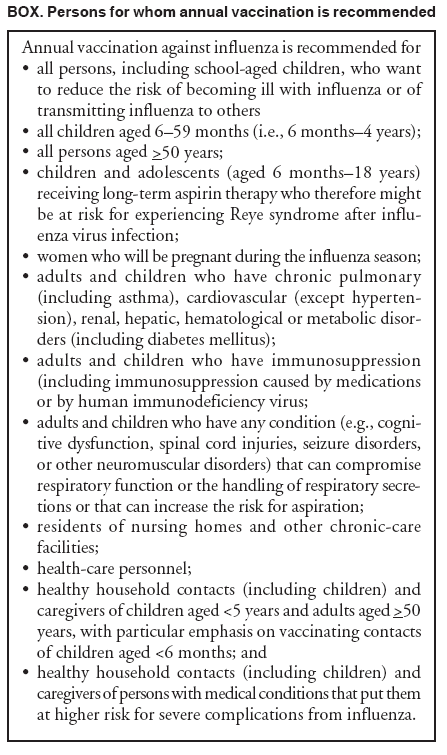
(Box). Influenza vaccine may be administered to any person
aged >6 months to reduce the likelihood of becoming ill with
influenza or of transmitting influenza to others; if vaccine supply
is limited, priority for vaccination is typically assigned to persons in specific groups and of specific ages who are, or are
contacts of, persons at higher risk for influenza complications. Trivalent inactivated influenza vaccine (TIV) may be used for any
person aged >6 months, including those with high-risk conditions. Live, attenuated influenza vaccine (LAIV) currently is
approved only for use among healthy, nonpregnant persons aged 5--49 years. Because influenza viruses undergo frequent
antigenic change (i.e., antigenic drift), persons recommended for vaccination must receive an annual vaccination against the
influenza viruses currently in circulation. Although vaccination coverage has increased in recent years for many groups recommended
for routine vaccination, coverage remains unacceptably low, and strategies to improve vaccination coverage, including use
of reminder/recall systems and standing orders programs, should be implemented or expanded.
Antiviral medications are an adjunct to vaccination and are effective when administered as treatment and when used
for chemoprophylaxis after an exposure to influenza virus. Oseltamivir and zanamivir are the only antiviral medications
currently recommended for use in the United States. Resistance to oseltamivir or zanamivir remains rare. Amantadine or
rimantidine should not be used for the treatment or prevention of influenza in the United States until evidence of susceptibility to
these antiviral medications has been reestablished among circulating influenza A viruses.
Methods
CDC's Advisory Committee on Immunization Practices (ACIP) provides annual recommendations for the prevention
and control of influenza. The ACIP Influenza Vaccine Working
Group* meets monthly throughout the year to discuss
newly published studies, review current guidelines, and consider potential revisions to the recommendations. As they
review the annual recommendations for ACIP consideration, members of the Working Group consider a variety of issues,
including vaccine effectiveness, safety and coverage in groups recommended for vaccination, feasibility, cost-effectiveness,
and anticipated vaccine supply. Working Group members also request periodic updates on vaccine and antiviral
production, supply, safety and efficacy from vaccinologists, epidemiologists and manufacturers. State and local immunization
program representatives are consulted. Influenza surveillance and antiviral resistance data were obtained from CDC's
Influenza Division. The Vaccines and Related Biological Products
Advisory Committee of the Food and Drug Administration
(FDA) selects the viral strains to be used in the annual trivalent influenza vaccines.
Published, peer-reviewed studies identified through literature searches are the primary source of data used in making
these recommendations. Among studies discussed or cited, those of greatest scientific quality and those that measured
influenza-specific outcomes were the most influential during the development of these recommendations. For example,
population-based estimates that use outcomes associated with laboratory-confirmed influenza virus infection contribute the most
specific data for estimates of influenza burden. The best evidence for vaccine or antiviral efficacy and effectiveness studies comes
from randomized controlled trials that assess laboratory-confirmed influenza infections as an outcome measure and consider
factors such as timing and intensity of influenza circulation and degree of match between vaccine strains and wild circulating
strains (9,10). Randomized, placebo-controlled
trials cannot be performed in populations for which vaccination already
is recommended, but observational studies that assess outcomes associated with laboratory-confirmed influenza infection
can provide important vaccine effectiveness data. Randomized, placebo-controlled clinical trials are the best source of vaccine
and antiviral safety data for common adverse events; however, such studies do not have the power to identify rare but
potentially serious adverse events. The frequency of rare adverse events that might be associated with vaccination or antiviral treatment
is best assessed by retrospective reviews of computerized medical records from large linked clinical databases, with chart
review for persons who are identified as having a potential adverse event after vaccination
(11,12). Vaccine coverage data from a nationally representative, randomly selected population that includes verification of vaccination through health-care
record
review is superior to coverage data derived from limited populations or without verification of immunization but is
rarely available for older children or adults
(13). Finally, studies that assess immunization program practices that improve
vaccination coverage are most influential in formulating recommendations if the study design includes a nonintervention
comparison group. In cited studies that included statistical comparisons, a difference was considered to be statistically significant if the
p-value was <0.05 or the 95% confidence interval (CI) around an estimate of effect allowed rejection of the null hypothesis
(i.e., no effect).
These recommendations were presented to the full ACIP and approved in February 2007. Modifications were made to
the ACIP statement during the subsequent review process at CDC to update and clarify wording in the document. Data
presented in this report were current as of June 27, 2007. Further updates, if needed, will be posted at CDC's influenza website
(http://www.cdc.gov/flu).
Primary Changes and Updates in the Recommendations
The 2007 recommendations include six principal changes or updates:
ACIP reemphasizes the importance of administering
2 doses of vaccine to all children aged 6 months--8 years if they
have not been vaccinated previously at any time with either LAIV (doses separated by
>6 weeks) or TIV (doses separated by >4 weeks), on the basis of accumulating data indicating that 2 doses are required for protection in these children (see
Vaccine Efficacy, Effectiveness, and Safety).
ACIP recommends that children aged 6 months--8 years who received only 1 dose in their first year of vaccination
receive 2 doses the following year (see Vaccine Efficacy, Effectiveness, and Safety).
ACIP reiterates a previous recommendation that all
persons, including school-aged children, who want to reduce the
risk of becoming ill with influenza or of transmitting influenza to others should be vaccinated (see Box and
Recommendations for Using TIV and LAIV During the 2007--08
Influenza Season).
ACIP emphasizes that immunization providers should offer influenza vaccine and schedule immunization
clinics throughout the influenza season (see Timing of Vaccination).
ACIP recommends that health-care administrators consider the level of vaccination coverage among
health-care personnel (HCP) to be one measure of a patient safety quality program and implement policies to
encourage HCP vaccination (e.g., obtaining signed statements from HCP who decline influenza vaccination)
(see Additional Information Regarding Vaccination of Specific Populations).
The 2007--2008 trivalent vaccine strains are A/Solomon Islands/3/2006 (H1N1)-like (new for this season),
A/Wisconsin/67/2005 (H3N2)-like, and B/Malaysia/2506/2004-like viruses. (see Recommendations for Using TIV and LAIV
During the 2007--08 Influenza Season).
Background and Epidemiology
Biology of Influenza
Influenza A and B are the two types of influenza viruses that cause epidemic human disease
(14). Influenza A viruses are categorized into subtypes on the basis of two surface antigens: hemagglutinin and neuraminidase. Currently
circulating influenza B viruses are separated into two distinct genetic lineages but are not categorized into subtypes. Since 1977,
influenza A (H1N1) viruses, influenza A (H3N2) viruses, and influenza B viruses have circulated globally. In certain recent
years, influenza A (H1N2) viruses that probably emerged
after genetic reassortment between human A (H3N2) and
A (H1N1) viruses also have circulated. Both influenza A subtypes and B viruses are further separated into groups on the basis of
antigenic similarities. New influenza virus variants result from frequent antigenic change (i.e., antigenic drift) resulting from
point mutations that occur during viral replication. Influenza B viruses undergo antigenic drift less rapidly than influenza A viruses.
Immunity to the surface antigens, particularly the hemagglutinin, reduces the likelihood of infection
(15). Antibody against one influenza virus type or subtype confers limited or no protection against another type or subtype of influenza
virus. Furthermore, antibody to one antigenic type or subtype of influenza virus might not protect against infection with a
new antigenic variant of the same type or subtype
(16). Frequent emergence of antigenic variants through antigenic drift is
the
virologic basis for seasonal epidemics as well as the reason for annually reassessing the need to change one or more of
the recommended strains for influenza vaccines.
More dramatic changes, or antigenic shifts, occur less frequently and can result in the emergence of a novel influenza A
virus with the potential to cause a pandemic. Antigenic shift occurs when a new subtype of influenza A virus emerges
(14). New influenza A subtypes have the potential to cause a pandemic when they are demonstrated to be able to cause human illness
and demonstrate efficient human-to-human transmission, in the setting of little or no previously existing immunity
among humans.
Clinical Signs and Symptoms of Influenza
Influenza viruses are spread from person to person primarily through large-particle respiratory droplet transmission
(e.g., when an infected person coughs or sneezes near a susceptible person)
(14). Transmission via large-particle droplets
requires close contact between source and recipient persons, because droplets do not remain suspended in the air and generally
travel only a short distance (<1 meter) through the air. Contact with respiratory-droplet contaminated surfaces is another
possible source of transmission. Airborne transmission (via small-particle residue
[<5µm] of evaporated droplets that might
remain suspended in the air for long periods of time) also is thought to be possible, although data supporting airborne
transmission are limited (17--20). The typical incubation period for influenza is 1--4 days (average: 2 days)
(21). Adults can be infectious from the day before symptoms begin through approximately 5 days after illness onset. Young children also might shed
virus several days before illness onset, and children can be infectious for
>10 days after onset of symptoms.
Severely immunocompromised persons can shed virus for weeks or months
(22--25).
Uncomplicated influenza illness is characterized by the abrupt onset of constitutional and respiratory signs and
symptoms (e.g., fever, myalgia, headache, malaise, nonproductive cough, sore throat, and rhinitis)
(26). Among children, otitis media, nausea, and vomiting also are commonly reported with influenza illness
(27--29). Uncomplicated influenza illness
typically resolves after 3--7 days for the majority of persons,
although cough and malaise can persist for >2 weeks. However,
influenza virus infections can cause primary influenza viral pneumonia; exacerbate underlying medical conditions (e.g., pulmonary
or cardiac disease); lead to secondary bacterial pneumonia, sinusitis, or otitis; or contribute to coinfections with other viral
or bacterial pathogens (30--32). Young children with influenza virus infection might have initial symptoms mimicking
bacterial sepsis with high fevers (31--34), and febrile seizures have been reported in 6%--20% of children hospitalized with
influenza virus infection (28,31,35). Population-based studies among hospitalized children with laboratory-confirmed influenza
have demonstrated that although the majority of hospitalizations are brief
(<2 days), 4%--11% of children hospitalized
with laboratory-confirmed influenza required treatment in the intensive care unit, and 3% required mechanical ventilation
(31,33). Among 1,308 hospitalized children in one study, 80% were aged <5 years, and 27% were aged <6 months
(31). Influenza virus infection also has been uncommonly associated with encephalopathy, transverse
myelitis, myositis, myocarditis, pericarditis, and Reye syndrome
(28,30,36,37).
Respiratory illnesses caused by influenza virus infection are difficult to distinguish from illnesses caused by other
respiratory pathogens on the basis of signs and symptoms alone. Sensitivity and predictive value of clinical definitions can vary,
depending on the degree of circulation of other respiratory pathogens and the level of influenza activity
(38). Among generally healthy older adolescents and adults living in areas with confirmed influenza virus circulation, estimates of the positive predictive
value of a simple clinical definition of influenza (cough and fever) for laboratory-confirmed influenza infection have varied
(range: 79%--88%) (39,40).
Young children are less likely to report typical influenza symptoms (e.g., fever and cough). In studies conducted
among children aged 5--12 years, the positive predictive value of
fever and cough together was 71%--83%, compared with
64% among children aged <5 years
(41). In one large, population-based surveillance study in which all children with fever
or symptoms of acute respiratory tract infection were tested for influenza, 70% of hospitalized children aged <6 months
with laboratory-confirmed influenza were reported to have fever and cough, compared with 91% of hospitalized children aged
6 months--5 years. Among children with laboratory-confirmed influenza infections, only 28% of those hospitalized and 17%
of those treated as outpatients had a discharge diagnosis of influenza
(34). A study of older nonhospitalized
patients determined that the presence of fever, cough, and acute onset had a positive predictive value of only 30% for influenza
(42). Among hospitalized older patients with chronic cardiopulmonary disease, a combination of fever, cough, and illness of <7
days was 53% predictive for confirmed influenza infection
(43). The absence of symptoms of influenza-like illness (ILI) does
not
effectively rule out influenza; among hospitalized adults with laboratory-confirmed infection, only 51% had typical
ILI symptoms of fever plus cough or sore throat
(44). A study of vaccinated older persons with chronic lung disease reported
that cough was not predictive of laboratory-confirmed influenza virus infection, although having both fever or feverishness
and myalgia had a positive predictive value of 41%
(45). These results highlight the challenges of identifying
influenza illness in the absence of laboratory confirmation and indicate that the diagnosis of influenza should be considered in any patient
with respiratory symptoms or fever during influenza
season.
Hospitalizations and Deaths from Influenza
In the United States, annual epidemics of influenza typically occur during the fall or winter months, but the peak
of influenza activity can occur as late as April or May (Table 1).
Influenza-related hospitalizations or deaths can result from
the direct effects of influenza virus infection or from complications due to underlying cardiopulmonary conditions and
other chronic diseases. Studies that have measured rates of a clinical outcome without a laboratory confirmation of influenza
virus infection (e.g., respiratory illness requiring hospitalization during influenza season) to assess the effect of influenza can
be difficult to interpret because of circulation of other respiratory pathogens (e.g., respiratory syncytial virus) during the
same time as influenza viruses (46--48).
During seasonal influenza epidemics from 1979--1980 through 2000--2001, the estimated annual overall number
of influenza-associated hospitalizations in the United States ranged from approximately 55,000 to 431,000 per epidemic
(mean: 226,000); the estimated annual number of deaths
attributed to influenza ranged from 8,000 to 68,000 per epidemic
(mean: 34,000) (1,2). Since the 1968 influenza A (H3N2) virus pandemic, the number of influenza-associated
hospitalizations typically has been greater during seasonal
influenza epidemics caused by type A (H3N2) viruses than during seasons in
which other influenza virus types or subtypes have predominated
(49). In the United States, the number of
influenza-associated deaths has increased since 1990. This increase has been attributed in part to the substantial increase in the number of
persons aged >65 years, who are at increased risk for death from influenza complications
(50). In one study, an average of approximately 19,000
influenza-associated pulmonary and circulatory deaths per influenza season occurred during
1976--1990, compared with an average of approximately 36,000 deaths per season during 1990--1999
(1). In addition, influenza A (H3N2) viruses, which have been associated with higher mortality
(51), predominated in 90% of influenza seasons
during 1990--1999, compared with 57% of seasons during 1976--1990
(1).
Influenza viruses cause disease among persons in all age groups
(3--5). Rates of infection are highest among children, but
the risks for complications, hospitalizations, and deaths from influenza are higher among persons aged
>65 years, young children, and persons of any age who have medical conditions that place them at increased risk for complications from influenza
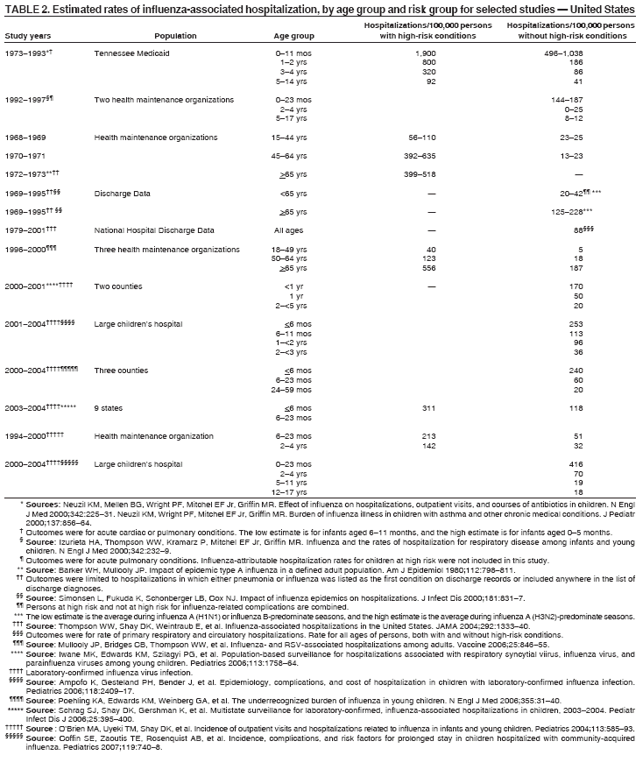
(1,3,6--8,52--55). Estimated rates of
influenza-associated hospitalizations and deaths varied substantially by age group in
studies conducted during different influenza epidemics
(Table 2). During 1990--1999, estimated rates of
influenza-associated pulmonary and circulatory deaths per 100,000 persons were 0.4--0.6 among persons aged 0--49 years, 7.5 among
persons aged 50--64 years, and 98.3 among persons aged
>65 years (1).
Children
Rates of influenza-associated hospitalization are higher among young
childrenthan among older children when influenza
viruses are in circulation and similar to rates for other groups considered at high risk for
influenza-related complications (49,56--61), including persons aged
>65 years (57,58). During 1979--2001, the estimated rate of
influenza-associated hospitalizations in the United States among children aged <5 years was approximately 108 hospitalizations
per 100,000 person-years (2). Recent population-based
studies that have measured hospitalization rates for
laboratory-confirmed influenza in young children have been consistent with studies that analyzed medical discharge data
(29,32--34,60).Annual hospitalization rates for laboratory-confirmed influenza decrease with increasing age, ranging from 240--720 per
100,000 children aged <6 months to approximately 20 per 100,000 children aged 2--5 years
(34). Estimated hospitalization rates for young children with high-risk medical conditions are approximately 250--500 per 100,000 children
(53,55) (Table 2).
Influenza-associated deaths are uncommon among children but represent a substantial proportion of
vaccine-preventable deaths. An estimated annual average of 92 influenza-related deaths (0.4 deaths per 100,000 persons) occurred among
children aged <5 years during the 1990s, compared with 32,651 deaths (98.3 per 100,000 persons) among adults aged
>65 years (1). Of 153 laboratory-confirmed influenza-related
pediatric deaths reported during the 2003--04 influenza season, 96
(63%)
deaths were of children aged <5 years and 61 (40%) of children aged <2 years. Among the 149 children who died and
for whom information on underlying health status was available, 100 (67%) did not have an underlying medical condition
that was an indication for vaccination at that time
(62). In California during the 2003--04 and 2004--05 influenza seasons,
51% of children with laboratory-confirmed influenza who died and 40% of those who required admission to an intensive care
unit had no underlying medical conditions
(63). These data indicate that although deaths are more common among children
with risk factors for influenza complications, the majority of pediatric deaths occur among children of all age groups with
no known high-risk conditions. The annual number of deaths among children
reported to CDC for the past four influenza seasons has ranged from 44 during 2004--2005 to 67 during 2006--2007 (CDC, unpublished data, 2007).
Adults
Hospitalization rates during influenza season are substantially increased for persons aged
>65 years. One retrospective analysis based on data from medical records collected during 1996--2000 estimated that the risk during influenza
season among persons aged >65 years with underlying conditions that put them at risk for influenza-related complications (i.e.,
one of more of the conditions listed as indications for vaccination) was approximately 56 influenza-associated hospitalizations
per 10,000 persons, compared with approximately 19 per 10,000 healthy elderly persons. Persons aged 50--64 years
with underlying medical conditions also were at substantially increased risk for hospitalizations during influenza season,
compared with healthy adults aged 50--64 years. No increased risk for influenza-associated hospitalizations was demonstrated
among healthy adults aged 50--64 years or among those aged 19--49 years, regardless of underlying medical conditions
(52). During 1976--2001, an estimated yearly average of 32,651 (90%) influenza-related deaths occurred among adults aged
>65 years (1). Risk for
influenza-associated death was highest among the oldest elderly, with persons aged
>85 years 16 times more likely to die from an influenza-associated illness than persons aged 65--69 years
(1).
Limited information is available regarding the frequency and severity of influenza illness among persons with
human immunodeficiency virus (HIV) infection
(64,65). However, a retrospective study of young and middle-aged
women enrolled in Tennessee's Medicaid program determined that the attributable risk for cardiopulmonary hospitalizations
among women with HIV infection was higher during influenza seasons than it was either before or after
influenza was circulating. The risk for hospitalization was higher for HIV-infected women than it was for women with other underlying
medical conditions (66). Another study estimated
that the risk for influenza-related death was 94--146
deaths per 100,000 persons with acquired immunodeficiency syndrome (AIDS), compared with 0.9--1.0 deaths per 100,000 persons aged 25--54
years and 64--70 deaths per 100,000 persons aged
>65 years (67). Influenza symptoms might be prolonged and the risk
for complications from influenza increased for certain
HIV-infected persons (68--70).
Influenza-associated excess deaths among pregnant women were reported during the pandemics of 1918--1919 and
1957--1958 (71--74). Case reports and several epidemiologic studies also indicate that pregnancy can increase the risk for
serious medical complications of influenza
(75--80). The majority of recent studies that have attempted to assess the effect
of influenza on pregnant women have measured changes in excess hospitalizations for respiratory illness during influenza
season but not laboratory-confirmed influenza hospitalizations. Pregnant women have an increased number of medical visits
for respiratory illnesses during influenza season compared with nonpregnant women
(81). Hospitalized pregnant women with respiratory illness during influenza season have increased lengths of stay compared with hospitalized pregnant women
without respiratory illness. For example, rates of hospitalization for respiratory illness were twice as common during
influenza season (82). A retrospective cohort study of approximately 134,000 pregnant women conducted in Nova Scotia during
1990--2002 compared medical record data for pregnant women to data from the same women during the year before pregnancy.
Among pregnant women, 0.4% were hospitalized and 25% visited a clinician during pregnancy for a respiratory illness. The rate
of third-trimester hospital admissions during the influenza season was five times higher than the rate during the influenza
season in the year before pregnancy and more than twice as high as the rate during the noninfluenza season. An excess of
1,210 hospital admissions in the third trimester per 100,000 pregnant women with comorbidities and 68 admissions per
100,000 women without comorbidities was reported
(83). In one study, pregnant women with respiratory hospitalizations did not
have an increase in adverse perinatal outcomes or delivery complications
(84), but they did have an increase in
delivery complications in another study (82). However, infants born to women with laboratory-confirmed influenza during
pregnancy do not have higher rates of low birth weight, congenital abnormalities, or low Apgar scores compared with infants born
to uninfected women (79,85).
Options for Controlling Influenza
The most effective strategy for reducing the effect of influenza is annual vaccination. Strategies that focus on
providing routine vaccination to persons at higher risk for influenza complications have long been recommended, although
coverage among the majority of these groups remains low. Routine vaccination of certain persons (e.g., children and HCP) who serve
as a source of influenza virus transmission might provide additional protection to persons at risk for influenza complications
and reduce the overall influenza burden. Antiviral drugs used for chemoprophylaxis or treatment of influenza are adjuncts
to vaccine but are not substitutes for annual vaccination. Nonpharmacologic interventions (e.g., advising frequent
handwashing and improved respiratory hygiene) are reasonable and inexpensive; these strategies have been demonstrated to
reduce respiratory diseases (86) but have not been studied adequately to determine if they reduce transmission of influenza
virus. Similarly, few data are available to assess the effects of community-level respiratory disease mitigation strategies (e.g.,
closing schools, avoiding mass gatherings, or using masks) on reducing influenza virus transmission during typical seasonal
influenza epidemics (87,88).
Influenza Vaccine Efficacy, Effectiveness, and Safety
Evaluating Influenza Vaccine Efficacy and Effectiveness Studies
The efficacy (i.e., prevention of illness among vaccinated persons in controlled trials) and effectiveness (i.e., prevention
of illness in vaccinated populations) of influenza vaccines
depend primarily on the age and immunocompetence of the
vaccine recipient, the degree of similarity between the viruses in the vaccine and those in circulation, and the
outcome being measured. Influenza vaccine efficacy and effectiveness studies typically have multiple possible outcome
measures, including the prevention of medically attended acute respiratory illness (MAARI), prevention of
laboratory-confirmed influenza virus illness, prevention of influenza or pneumonia-associated hospitalizations or deaths, seroconversion to
vaccine strains, or prevention of seroconversion to circulating influenza virus strains. Efficacy or effectiveness for specific
outcomes such as laboratory-confirmed influenza typically will be higher than for less specific outcomes such as MAARI
because the causes of MAARI include infections with other pathogens that influenza vaccination would not be expected to prevent
(89). Observational studies that compare
less-specific outcomes among vaccinated populations to those among
unvaccinated populations are subject to biases that are difficult to control for during analyses. For example, an
observational study that determines that influenza vaccination reduces overall
mortalitymight be biased if healthier persons
in the study are more likely to be vaccinated
(90). Randomized controlled trials that measure
laboratory-confirmed influenza virus infections as the
outcome are the most persuasive evidence of vaccine efficacy, but such trials cannot be conducted ethically among groups recommended
to receive vaccine annually.
Influenza Vaccine Composition
Both LAIV and TIV contain strains of influenza viruses that are antigenically equivalent to the annually
recommended strains: one influenza A (H3N2) virus, one influenza A (H1N1) virus, and one influenza B virus. Each year, one or more
virus strains might be changed on the basis of global surveillance for influenza viruses and the emergence and spread of new
strains. Only the H1N1 strain was changed for the recommended vaccine for the 2007--08 influenza season, compared with
the 2006--07 season (see Recommendations for Using TIV and LAIV During the 2007--08 Influenza Season). Viruses for
both types of currently licensed vaccines are grown in eggs. Both vaccines are administered annually to provide optimal
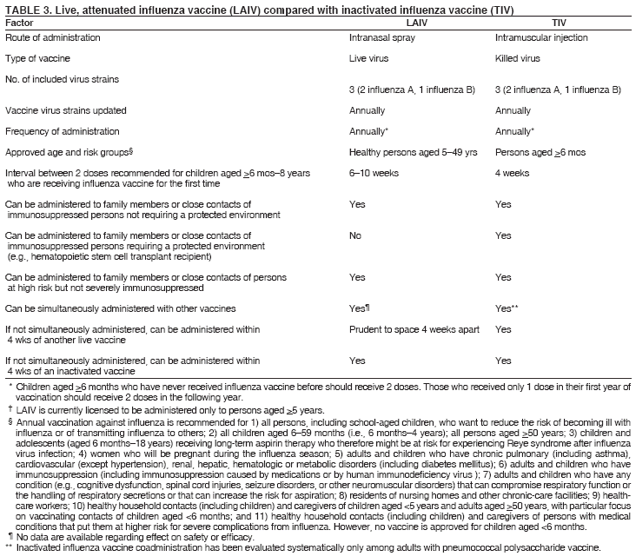
protection against influenza virus infection (Table 3) Both
TIV and LAIV are widely available in the United States. Although both
types of vaccines are expected to be effective, the vaccines differ in several aspects (Table 3)
Major Differences Between TIV and LAIV
During the preparation of TIV, the vaccine viruses are made noninfectious (i.e., inactivated or killed)
(91). Only subvirion and purified surface antigen preparations of TIV (often
referred to as "split" and subunit vaccines, respectively) are available
in the United States. TIV contains killed viruses and thus cannot cause influenza. LAIV contains live, attenuated viruses
and therefore has the potential to produce mild signs or symptoms related to attenuated influenza virus infection. LAIV
is
administered intranasally by sprayer, whereas TIV is administered intramuscularly by injection. LAIV is currently
approved only for use among healthy persons aged 5--49 years; TIV is approved for use among persons aged
>6 months, including those who are healthy and those with chronic medical conditions (Table 3).
Correlates of Protection after Vaccination
Immune correlates of protection against influenza infection after vaccination include serum hemagglutination
inhibition antibody and neutralization antibody
(15,92). Increased levels of antibody induced by vaccination decrease the risk for
illness caused by strains that are antigenically similar to those strains of the same type or subtype included in the vaccine
(93--96). Although high titers of these antibodies correlate with protection from clinical infection, certain vaccinated persons with
low levels of antibody after vaccination also are protected. The majority of healthy children and adults have high titers of
antibody after vaccination (94,97). However, in certain studies, antibody levels in certain participants declined below levels
considered protective during the year after vaccination, even when the current influenza vaccine contained one or more
antigens administered in previous years
(98,99). Other immunologic correlates of protection that might best indicate
clinical protection after receipt of an intranasal vaccine such as LAIV (e.g., mucosal antibody) are more difficult to measure
(91,100).
Immunogenicity, Efficacy, and Effectiveness of TIV
Children
Children aged >6 months typically have protective levels of anti-influenza antibody against specific influenza virus
strains after influenza vaccination
(92,97,101--106). Children aged 6 months--8 years who have never been vaccinated
previously require 2 doses of TIV separated in time by >4 weeks to induce an optimal serum antibody response.
A study assessing protective antibody responses after 1 and 2 doses of vaccine among children aged 5--8 years who never were
vaccinated previously indicated that children who received
2 doses were substantially more likely than those who received 1 dose to have
a protective antibody response (107). The proportion that had a protective antibody response against the H1N1 antigen and
the H3N2 antigen increased from 67% and 92%, respectively, after the first dose to 93% and 97%, respectively, after the
second dose. However, 36% of children who received
2 doses did not have a protective antibody response
to the influenza B antigen (107).
When the vaccine antigens do not change from one season to the next, priming young children with a single dose of
vaccine in the spring followed by a second dose in the fall engenders similar antibody responses compared with a regimen of 2 doses
in the fall (108). In consecutive years, when vaccine antigens do change, young children who received only 1 dose of vaccine
in their first year of vaccination are less likely to have protective antibody responses when administered only a single dose
during their second year of vaccination, compared with children who received 2 doses in their first year of vaccination
(109,110). An open-label, nonrandomized study compared children aged 6--23 months who received 1 dose of vaccine during the
2003--04 influenza season and a second dose of a different vaccine during the 2004--05 season with children who received 2 doses of
the same vaccine during the 2004--05 season. The proportion that had protective antibody levels against the H3N2
antigen (changed in the second year) or the H1N1 antigen (unchanged) was similar. However, 27% of children who had received
only 1 dose of influenza vaccine during 2003--2004 had a protective antibody response to a single dose of the 2004--2005
vaccine influenza B virus antigen (changed from the previous year), compared with 86% of children who received 2 doses of the
2004--2005 vaccine in their first year of vaccination
(110).
The antibody response among children at high risk for influenza-related complications might be lower than those
typically reported among healthy children
(111,112). However, antibody responses among children with asthma are similar to those
of healthy children and are not substantially altered during asthma exacerbations requiring prednisone treatment
(113).
Multiple studies have demonstrated vaccine efficacy among children aged
>6 months, although efficacy estimates
have varied. In a randomized trial conducted during five influenza seasons (1985--1990) in the United States among children
aged 1--15 years, annual vaccination reduced laboratory-confirmed influenza A substantially (77%--91%)
(94). A limited 1-year placebo-controlled study reported vaccine efficacy of 56% among healthy children aged 3--9 years and 100% among
healthy children and adolescents aged 10--18 years
(114). A retrospective study conducted among approximately 30,000 children
aged 6 months--8 years during an influenza season (2003--04) with a suboptimal vaccine match indicated vaccine effectiveness
of 51% against medically attended, clinically diagnosed pneumonia or influenza (i.e., no laboratory confirmation of
influenza) among fully vaccinated children, and 49% among approximately 5,000 children aged 6--23 months
(115). Another
retrospective study of similar size conducted during the same influenza season in Denver but limited to healthy children
aged 6--21 months estimated clinical effectiveness of 2 TIV doses to be 87% against pneumonia or influenza-related office
visits (116). Among children, TIV efficacy might increase with age
(94,117).
In a nonrandomized controlled trial among children aged 2--6 years and 7--14 years who had asthma, vaccine efficacy
was 54% and 78% against laboratory-confirmed influenza type A infection and 22% and 60% against
laboratory-confirmed influenza type B infection, respectively. Vaccinated children aged 2--6 years with asthma did not have substantially fewer
type B influenza virus infections compared with the control group in this study
(118). Vaccination also might provide
protection against asthma exacerbations
(119); however, other studies of children with asthma have not
demonstrated decreased exacerbations (120). Because of the recognized
influenza-related disease burden among children with other
chronic diseases or immunosuppression and the
long-standing recommendation for vaccination of these children,
randomized placebo-controlled studies to study efficacy in these children have not been conducted because of ethical
considerations.
TIV has been demonstrated to reduce acute otitis media. Two studies have reported that TIV decreases
influenza-associated otitis media approximately 30% among children with mean ages of 20 and 27 months, respectively
(121,122). However, a large study conducted among children with a mean age of 14 months did not provide evidence of TIV
efficacy against acute otitis media (123), although efficacy was 66% against culture-confirmed influenza illness. Influenza
vaccine efficacy against acute otitis media, which is caused by a variety of pathogens and is not typically diagnosed using
influenza virus culture, would be expected to be relatively low because of the nonspecificity of the clinical outcome.
Vaccine Effectiveness for Children Aged 6
Months--8 Years Receiving Influenza Vaccine for
the First Time
Among children aged <8 years who have never received
influenza vaccine previously and who received only 1 dose
of influenza vaccine in their first year of vaccination, vaccine
effectiveness is lower compared with children who receive
2 doses in their first year of being vaccinated. Two recent, large retrospective studies of young children who had received only 1 dose
of TIV in their first year of being vaccinated determined
that no decrease was observed in ILI-related office
visits compared with unvaccinated children
(115,116). Similar results were reported in a case-control study of children aged 6--59
months(124).
When the vaccine antigens do not change from one season to the next, priming with a single dose of vaccine in the
spring followed by a dose in the fall provides a degree of protection against ILI but with substantially lower efficacy compared with
a regimen that provides 2 doses in the fall.
One study conducted over two consecutive seasons in which the vaccine
antigens did not change estimated 62% effectiveness against ILI for healthy children who had received 1 dose in the spring and a second the
following fall, compared with 82% for those who received 2 doses separated by
>4 weeks, both in the fall (116).
Adults Aged <65 Years
TIV is highly immunogenic in healthy adults aged <65 years. Limited or no increase in antibody response is reported
among adults when a second dose is administered during the same season
(125--129). When the vaccine and circulating viruses
are antigenically similar, TIV prevents laboratory-confirmed influenza illness among
approximately 70%--90% of healthy adults aged <65 years in randomized controlled trials
(129--132). Vaccination of healthy adults also has resulted in
decreased work absenteeism and decreased use of health-care resources, including use of antibiotics, when the vaccine and circulating
viruses are well-matched (129--131,133--135).
Efficacy against laboratory-confirmed influenza illness was 50%--77% in
studies conducted during different influenza seasons when the vaccine strains were antigenically dissimilar to the majority
of circulating strains (129,131,135--137). However, protection among healthy adults against
influenza-related hospitalization, measured in the most recent of these studies, was 90%
(137).
In certain studies, persons with certain chronic diseases have lower serum antibody responses after vaccination
compared with healthy young adults and thus can remain susceptible to influenza virus infection and influenza-related upper
respiratory tract illness (138--140). Vaccine efficacy among adults aged <65 years who are at risk for influenza complications is
typically lower than that reported for healthy adults. In a case-control study conducted during 2003--2004, when the vaccine was
a suboptimal antigenic match to many circulating virus strains, effectiveness for prevention of
laboratory-confirmed influenza illness among adults aged 50--64 years with high risk conditions was 48%, compared with 60% for healthy adults
(137). Effectiveness against hospitalization among adults aged 50--64 years with high-risk conditions was 36%, compared with
90% efficacy among healthy adults in that age range
(137).
Studies using less specific outcomes, without laboratory confirmation of influenza virus infection, typically
have demonstrated substantial reductions in hospitalizations or deaths among adults with risk factors for influenza
complications. In a case-control study conducted in Denmark during 1999--2000, vaccination reduced deaths attributable to any cause
78% and reduced hospitalizations attributable to respiratory infections or cardiopulmonary diseases 87%
(141). Benefit was reported after the first vaccination and increased with subsequent vaccinations in subsequent years
(142). Among patients with diabetes mellitus, vaccination was associated with a 56% reduction in any complication, a 54% reduction in
hospitalizations, and a 58% reduction in deaths
(143). Certain experts have noted that the substantial effects on morbidity and
mortality among those who received influenza vaccination in these observational studies should be interpreted with caution because
of the difficulties in ensuring that those who received vaccination had similar baseline health status as those who did not
(90). One meta-analysisof published studies did not determine sufficient evidence to conclude that persons with asthma benefit
from vaccination (144). However, a meta-analysis
that examined efficacy among persons with chronic obstructive pulmonary
disease identified evidence of benefit from vaccination
(145).
TIV produces adequate antibody concentrations against influenza among vaccinated HIV-infected persons who have
minimal AIDS-related symptoms and high CD4+
T-lymphocyte cell counts (146--148). Among persons who have advanced
HIV disease and low CD4+ T-lymphocyte cell counts, TIV might not induce protective antibody titers
(148,149); a second dose of vaccine does not improve the immune response in these persons
(149,150). A randomized, placebo-controlled
trial determined that TIV was highly effective in preventing
symptomatic, laboratory-confirmed influenza virus infection
among HIV-infected persons with a mean of 400 CD4+
T-lymphocyte cells/mm3; however, only a limited number of persons
with CD4+ T-lymphocyte cell counts of <200 were
included in that study (150). A nonrandomized study of HIV-infected
persons determined that influenza vaccination was most effective among persons with >100 CD4+ cells and among those with
<30,000 viral copies of HIV type-1/mL
(70).
Pregnant women have protective concentrations of
anti-influenza antibodies after vaccination
(151,152). Passive transfer of anti-influenza antibodies that might provide protection from vaccinated women to neonates has been reported
(151,153--155). A retrospective, clinic-based study conducted during 1998--2003 reported a nonsignificant trend towards fewer
episodes of MAARI during one influenza season among vaccinated women compared with unvaccinated women and
substantially fewer episodes of MAARI during the peak influenza season
(152). However, a retrospective study conducted during
1997--2002 that used clinical records data did not
observe a reduction in ILI among vaccinated pregnant women or their
infants (156). In another study conducted during 1995--2001, medical visits for respiratory illness among the infants were
not substantially reduced (157). However, studies of influenza vaccine efficacy among pregnant women have not included
specific outcomes such as laboratory-confirmed influenza.
Older Adults
Lower postvaccination anti-influenza antibody concentrations have been reported among certain older persons
compared with younger adults (139--140). A randomized trial among noninstitutionalized persons aged
>60 years reported a vaccine efficacy of 58% against influenza respiratory illness but indicated that efficacy might be lower among those aged
>70 years (158). Among elderly persons not living in nursing homes or similar chronic-care facilities, influenza vaccine is
30%--70% effective in preventing hospitalization for pneumonia and influenza
(159,160). Influenza vaccination reduces the frequency
of secondary complications and reduces the risk for influenza-related hospitalization and death among adults aged
>65 years with and without high-risk medical conditions (e.g., heart disease and diabetes)
(160--165). Influenza vaccine effectiveness
in preventing MAARI among the elderly in nursing homes has been estimated at 20%--40%, but vaccination can be as much
as 80% effective in preventing influenza-related death
(165--168).
Elderly persons typically have a diminished immune response to influenza vaccination compared with young healthy
adults, suggesting that immunity might be of shorter duration and less likely to extend to a second season
(169). Infections among the vaccinated elderly might be related to an age-related reduction in ability to respond to vaccination rather than reduced duration
of immunity.
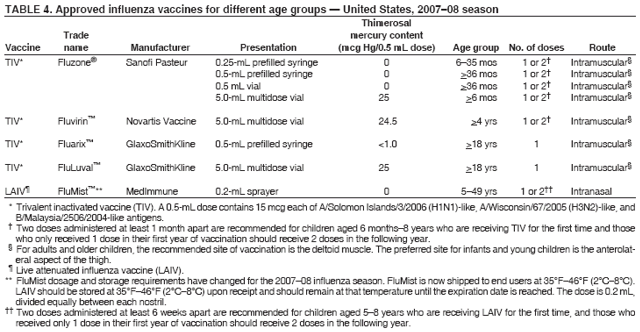
TIV Dosage, Administration, and Storage
The composition of TIV varies according to manufacturer, and package inserts should be consulted. TIV formulations
in multidose vials typically contain the vaccine preservative thimerosal; preservative-free single dose preparations also
are
available. TIV should be stored at 35°F--46°F (2°C--8°C) and should not be frozen. TIV that has been frozen should
be discarded. Dosage recommendations and schedules vary
according to age group (Table 4). Vaccine prepared for a
previous influenza season should not be administered to provide protection for any subsequent season.
The intramuscular route is recommended for TIV. Adults and older children should be vaccinated in the deltoid muscle.
A needle length of >1 inch (>25 mm) should be considered for persons in these age groups because needles of <1 inch might
be of insufficient length to penetrate muscle tissue in certain adults and older children
(170). When injecting into the deltoid muscle among children with adequate deltoid muscle mass, a needle length of
7/8--1.25 inches is recommended
(171).
Infants and young children should be vaccinated in the
anterolateral aspect of the thigh. A needle length of 7/8--1 inch should be used for children aged <12 months for intramuscular vaccination into the anterolateral thigh.
Adverse Events after Receipt of TIV
In placebo-controlled studies among adults, the most frequent side effect of vaccination was soreness at the vaccination
site (affecting 10%--64% of patients) that lasted <2 days
(130,172,173). These local reactions typically were mild and
rarely interfered with the person's ability to conduct usual daily activities. One study
(112) reported that 20%--28% of children
with asthma aged 9 months--18 years had local pain and swelling at the site of influenza vaccination, and another study
(103) reported that 23% of children aged 6 months--4 years with chronic heart or lung disease had local reactions.
A blinded, randomized, cross-over study of 1,952 adults and children with asthma demonstrated that only self-reported "body
aches" were reported more frequently after TIV (25.1%) than placebo-injection (20.8%)
(174). However, a placebo-controlled
trial of TIV indicated no difference in local reactions among 53 children aged 6 months--6 years with high-risk medical
conditions or among 305 healthy children aged 3--12 years
(104). A recent retrospective study using medical records data
from approximately 45,000 children aged 6--23 months
provided evidence supporting overall safety of TIV in this age
group. Vaccination was not associated with statistically significant increases in any medically attended outcome, and 13
diagnoses, including acute upper respiratory illness, otitis media and asthma, were significantly less common
(175).
Fever, malaise, myalgia, and other systemic symptoms can occur after vaccination with inactivated vaccine and
most often affect persons who have had no previous exposure to the influenza virus antigens in the vaccine (e.g., young
children) (176,177). These reactions begin 6--12 hours after vaccination and can persist for 1--2 days. Recent placebo-controlled
trials demonstrate that among older persons and healthy young adults, administration of split-virus influenza vaccine is
not associated with higher rates of systemic symptoms (e.g., fever, malaise, myalgia, and headache) when compared with
placebo injections (129,172,173,178).
In a randomized cross-over study of children and adults with asthma, no increase in asthma exacerbations was reported
for either age group (174). An analysis of 215,600 children aged <18 years and 8,476 children aged 6--23 months enrolled in
one of five health maintenance organizations (HMOs)
during 1993--1999 reported no increase in biologically plausible,
medically attended events during the 2 weeks after inactivated influenza vaccination, compared with control periods 3--4 weeks
before and after vaccination (179). In a study of 791 healthy children aged 1--15 years
(94), postvaccination fever was noted among 11.5% of those aged 1--5 years, 4.6% among those aged 6--10 years, and 5.1% among those aged 11--15 years.
Among children with high-risk medical conditions, one study of 52 children aged 6 months--3 years reported fever
among 27% and irritability and insomnia among 25%
(103); and a study among 33 children aged 6--18 months reported that
one child had irritability and one had a fever and seizure after vaccination
(180). No placebo comparison group was used in
these studies.
Dataregarding potential adverse events after influenza vaccination are available from the Vaccine Adverse Event
Reporting System (VAERS). During January 1991--June 2006, of 25,805 reports of adverse events received by VAERS, 5,727
(22%) concerned children aged <18 years, including 1,070 (4%) children aged 6--23 months (CDC, unpublished data, 2005).
The number of influenza vaccine doses received by children during this entire period is unknown. A recently published review
of VAERS reports submitted after administration of TIV to children aged 6--23 months documented that the most
frequently reported adverse events were fever, rash, injection-site reactions, and seizures; the majority of the limited number of
reported seizures appeared to be febrile
(181). Because of the limitations of passive reporting systems, determining causality for
specific types of adverse events, with the exception of injection-site reactions, usually is not possible using VAERS data
alone. However, a population-based study of TIV safety in children aged 6--23 months who were vaccinated during
1993--1999 identified no adverse events that had a plausible relationship to vaccination
(182).
Immediate and presumably allergic reactions (e.g., hives, angioedema, allergic asthma, and systemic
anaphylaxis) occur rarely after influenza vaccination
(183,184). These reactions probably result from hypersensitivity to certain
vaccine components; the majority of reactions probably are caused by residual egg protein. Although current influenza
vaccines contain only a limited quantity of egg protein, this protein can induce immediate hypersensitivity reactions among
persons who have severe egg allergy. Manufacturers use a variety of different compounds to inactivate influenza viruses and
add antibiotics to prevent bacterial contamination. Package inserts should be consulted for additional information.
Persons who have had hives or swelling of the lips or tongue, or who have experienced acute respiratory distress or
who collapse after eating eggs should consult a physician for
appropriate evaluation to help determine if vaccine should
be administered. Persons who have documented immunoglobulin E (IgE)-mediated hypersensitivity to eggs, including those
who have had occupational asthma related to egg exposure or other allergic responses to egg protein, also might be at
increased risk for allergic reactions to influenza vaccine, and consultation with a physician before vaccination should be considered
(185--187).
Hypersensitivity reactions to vaccine components can
occur but are rare. Although exposure to vaccines
containing thimerosal can lead to hypersensitivity, the majority of
patients do not have reactions to thimerosal when it is administered
as a component of vaccines, even when patch or intradermal tests for thimerosal indicate hypersensitivity
(188,189). When reported, hypersensitivity to thimerosal typically has consisted of local delayed hypersensitivity reactions
(188).
TIV Safety for Persons with HIV Infection
Data demonstrating safety of TIV for HIV-infected persons are limited, but no evidence exists that vaccination has
a clinically important impact on HIV infection or immunocompetence. One study demonstrated a transient (i.e., 2--4
week) increase in HIV RNA (ribonucleic acid) levels in one HIV-infected person after influenza virus infection
(190). Studies have demonstrated a transient increase in replication of HIV-1 in the plasma or peripheral blood mononuclear cells of
HIV-infected persons after vaccine administration
(148,191). However, more recent and better-designed studies have not documented
a substantial increase in the replication of HIV
(192--195). CD4+ T-lymphocyte cell counts or progression of HIV disease
have not been demonstrated to change substantially after influenza vaccination among HIV-infected persons compared
with unvaccinated HIV-infected persons
(148,196). Limited information is available concerning the effect of antiretroviral
therapy on increases in HIV RNA levels after either natural influenza virus infection or influenza vaccination
(64,197).
Guillain-Barré Syndrome and TIV
Guillain-Barré Syndrome (GBS) has an annual incidence of 10--20 cases per 1 million adults
(198). Substantial evidence exists that multiple infectious illnesses, most notably
Campylobacter jejuni gastrointestinalinfections and upper respiratory tract infections, are associated with GBS
(199--201). The 1976 swine influenza vaccine was associated with
an increased frequency of GBS (202,203), estimated at one case of GBS per 100,000 persons vaccinated. The risk for
influenza vaccine-associated GBS was higher among persons aged >25 years than among persons aged <25 years
(204). However, obtaining strong epidemiologic evidence for a possible limited increase in risk for a rare condition with multiple causes
is difficult, and evidence for a causal relationship between subsequent vaccines prepared from other influenza viruses and
GBS has not been consistent.
None of the studies conducted using influenza vaccines other than the 1976 swine influenza vaccine have demonstrated
a substantial increase in GBS associated with influenza vaccines. During three of four influenza seasons studied during
1977--1991, the overall relative risk estimates for GBS after influenza vaccination were elevated slightly, but they were not
statistically significant in any of these studies
(205--207). However, in a study of the 1992--93 and 1993--94 seasons, the overall
relative risk for GBS was 1.7 (CI = 1.0--2.8; p = 0.04) during the 6 weeks after vaccination, representing approximately one
additional case of GBS per 1 million persons vaccinated; the combined number of GBS cases peaked 2 weeks after vaccination
(202). Results of a study that examined health-care data from Ontario, Canada, during 1992--2004 demonstrated a small
but statistically significant temporal association
between receiving influenza vaccination and subsequent hospital admission
for GBS. However, no increase in cases of GBS at the population level was reported after introduction of a mass public
influenza vaccination program in Ontario beginning in 2000
(208). Recent data from VAERS have documented decreased reporting
of GBS occurring after vaccination across age groups over time, despite overall
increased reporting of other, non-GBS conditions
occurring after administration of influenza vaccine
(203). Cases of GBS after influenza virus infection have been reported,
but no other epidemiologic studies have documented such an association
(209,210).
If GBS is a side effect of influenza vaccines other than 1976 swine influenza vaccine, the estimated risk for GBS is based
on the few studies that have demonstrated an association between vaccination and GBS is low (i.e., approximately one
additional case per 1 million persons vaccinated). The potential benefits of influenza vaccination in preventing serious
illness, hospitalization, and death substantially outweigh these estimates of risk for vaccine-associated GBS. No evidence indicates
that the case fatality ratio for GBS differs among vaccinated persons and those not vaccinated.
Use of TIV among Patients with a History of GBS
The incidence of GBS among the general population is low, but persons with a history of GBS have a substantially
greater likelihood of subsequently experiencing GBS than persons without such a history
(198). Thus, the likelihood of
coincidentally experiencing GBS after influenza vaccination is
expected to be greater among persons with a history of GBS than
among persons with no history of this syndrome. Whether influenza vaccination specifically might increase the risk for recurrence
of GBS is unknown. However, avoiding vaccinating persons who are not at high risk for severe influenza complications and
who are known to have experienced GBS within 6 weeks after a previous influenza vaccination is prudent. As an
alternative, physicians might consider using influenza antiviral chemoprophylaxis for these persons. Although data are limited,
the established benefits of influenza vaccination might outweigh the risks for many persons who have a history of GBS and
who are also at high risk for severe complications from influenza.
Vaccine Preservative (Thimerosal) in Multidose Vials of TIV
Thimerosal, a mercury-containing anti-bacterial compound, has been used as a preservative in vaccines since the
1930s (211) and is used in multidose vial preparations of TIV to reduce the likelihood of bacterial contamination. No
scientific evidence indicates that thimerosal in vaccines, including influenza vaccines, is a cause of adverse events in vaccine
recipients or to children born to women who received vaccine during pregnancy. In fact, evidence is accumulating that
supports the absence of any risk for neurodevelopment disorders or other harm resulting from exposure to
thimerosal-containing vaccines (212--216). However, continuing public concern about exposure to mercury in vaccines is a potential barrier to achieving
higher vaccine coverage levels and reducing the burden of vaccine-preventable diseases. The U.S. Public Health Service and
other organizations have recommended that efforts be made to eliminate or reduce the thimerosal content in vaccines as part of
a strategy to reduce mercury exposures from all sources
(212,214,216). Since mid-2001, vaccines routinely recommended
for infants aged <6 months in the United States have been manufactured either without or with greatly reduced (trace)
amounts of thimerosal. As a result, a substantial reduction in the total mercury exposure from vaccines for infants and children
already has been achieved (171).
The benefits of influenza vaccination for all recommended groups, including pregnant women and young
children, outweigh the unproven risk from thimerosal exposure through vaccination. The risks for severe illness from influenza
virus infection are elevated among both young children and pregnant women, and vaccination has been demonstrated to
reduce the risk for severe influenza illness and subsequent medical complications. In contrast, no scientifically conclusive evidence
has demonstrated harm from exposure to vaccine containing thimerosal preservative. For these reasons, persons recommended
to receive TIV may receive any age- and risk factor--appropriate vaccine preparation, depending on availability. ACIP and
other federal agencies and professional medical organizations continue to support efforts to provide thimerosal
preservative--free vaccine options.
Nonetheless, certain states have enacted legislation banning the administration of vaccines containing mercury;
the provisions defining mercury content vary
(217). LAIV and many of the single dose vial or syringe preparations of TIV
are thimerosal-free, and the number of influenza vaccine doses that do not contain thimerosal as a preservative is expected
to increase (see Table 4). However, these laws may present a barrier to vaccination unless influenza vaccines that do not
contain thimerosal as a preservative are easily available in those states.
The U.S. vaccine supply for infants and pregnant women
is in a period of transition during which the availability
of thimerosal-reduced or thimerosal-free vaccine intended for these groups is being expanded by manufacturers as a
feasible
means of further reducing an infant's cumulative exposure to mercury. Other environmental sources of mercury exposure
are more difficult or impossible to avoid or eliminate
(212).
LAIV Dosage, Administration, and Storage
Each dose of LAIV contains the same three antigens used in TIV for the influenza season. However, the antigens
are constituted as live, attenuated, cold-adapted,
temperature-sensitive vaccine viruses. Additional components of LAIV
include stabilizing buffers containing monosodium glutamate, hydrolyzed porcine gelatin, arginine, sucrose, and phosphate.
LAIV does not contain thimerosal. LAIV is made from
attenuated viruses and does not cause systemic symptoms of influenza
in vaccine recipients although a minority of recipients experience effects of intranasal vaccine administration or local
viral replication (e.g., nasal congestion)
(218).
In January 2007, a new formulation of LAIV (also sold under the brand name
FluMist™) was licensed that will replace
the older formulation for the 2007--08 influenza season. Compared with the formulation sold previously, the principal
differences are the temperature at which LAIV is shipped and stored after delivery to the clinic and the amount of vaccine
administered. LAIV is intended for intranasal administration only and should not be administered by the intramuscular, intradermal,
or intravenous route. LAIV is not approved for vaccination of children aged <5 years or adults aged >49 years. The
new formulation of LAIV is supplied in a prefilled, single-use sprayer containing 0.2 mL of vaccine. Approximately 0.1 mL
(i.e., half of the total sprayer contents) is sprayed into the first nostril while the recipient is in the upright position. An
attached dose-divider clip is removed from the sprayer to administer the second half of the dose into the other nostril. The
new formulation of LAIV is shipped to end users at 35°F--46°F (2°C--8°C). LAIV should be stored at 35°F--46°F
(2°C--8°C) upon receipt, and can remain at that temperature until the expiration date is reached
(218).
Shedding, Transmission, and Stability of Vaccine
Viruses
Available data indicate that both children and adults vaccinated with LAIV can shed vaccine viruses after
vaccination, although in lower amounts than occur typically with shedding of wild-type influenza viruses. In rare instances, shed
vaccine viruses can be transmitted from vaccine recipients to nonvaccinated persons. However, serious illnesses have not been
reported among unvaccinated persons who have been infected inadvertently with vaccine viruses.
One study of children aged 8--36 months in a child care center assessed transmissibility of vaccine viruses from
98 vaccinated to 99 unvaccinated subjects; 80% of vaccine recipients shed one or more virus strains (mean duration: 7.6
days). One influenza type B vaccine strain isolate was recovered from a placebo recipient and was confirmed to be vaccine-type
virus. The type B isolate retained the cold-adapted, temperature-sensitive, attenuated phenotype, and it possessed the same
genetic sequence as a virus shed from a vaccine recipient who was in the same play group. The placebo recipient from whom
the influenza type B vaccine strain was isolated did not experience any serious clinical events. The estimated probability
of acquiring vaccine virus after close contact with a single LAIV recipient in this child care population was 0.6%--2.4%
(219).
One study assessing shedding of vaccine viruses in 20 healthy vaccinated adults aged 18--49 years demonstrated that
the majority of shedding occurred within the first 3 days after vaccination, although one subject was noted to shed virus on day
7 after vaccine receipt. Duration or type of symptoms associated with receipt of LAIV did not correlate with duration
of shedding of vaccine viruses (220). Another study
assessing shedding of vaccine viruses in 14 healthy adults aged 18--49
years indicated that 50% of these adults had viral antigen detected by direct immunofluorescence or rapid antigen tests within
7 days of vaccination. The majority of viral shedding was detected on day 2 or 3
(221). Vaccine strain virus was detected
from nasal secretions in one (2%)of 57 HIV-infected adults who received LAIV, none of 54 HIV-negative participants
(222), and three (13%) of 23 HIV-infected children compared with seven (28%) of 25 children who were not HIV-infected
(223). No participants in these studies shed virus beyond 10 days after receipt of LAIV. The possibility of person-to-person
transmission of vaccine viruses was not assessed in these studies
(220--223).
In clinical trials, viruses shed by vaccine recipients have been phenotypically stable. In one study, nasal and throat
swab specimens were collected from 17 study participants for 2 weeks after vaccine receipt
(224). Virus isolates were analyzed by multiple genetic techniques. All isolates retained the LAIV genotype after replication in the human host, and all retained
the cold-adapted and temperature-sensitive phenotypes. A study conducted in a child care setting demonstrated that
limited genetic change occurred in the LAIV strains following replication in the vaccine recipients
(225).
Immunogenicity, Efficacy, and Effectiveness of LAIV
The immunogenicity of the approved LAIV has been
assessed in multiple studies conducted among children and
adults (94,226--232). LAIV virus strains replicate primarily in nasopharyngeal epithelial cells. The protective mechanisms
induced by vaccination with LAIV are not understood completely but appear to involve both serum and nasal secretory antibodies.
No single laboratory measurement closely correlates with protective immunity induced by LAIV
(227).
Healthy Children
A randomized, double-blind, placebo-controlled trial among 1,602 healthy children aged 15--71 months assessed
the efficacy of LAIV against culture-confirmed influenza during two seasons
(233,234). This trial included a subset of
children aged 60--71 months who received 2 doses in the first season. In season one (1996--97), when vaccine and circulating
virus strains were well-matched, efficacy against culture-confirmed influenza was 94% for participants who received 2 doses
of LAIV separated by >6 weeks, and 89% for those who received 1 dose. In season two, when the A (H3N2) component in
the vaccine was not well-matched with circulating virus strains, efficacy was 86%, for an overall efficacy over two influenza
seasons of 92%. Receipt of LAIV also resulted in 21% fewer febrile illnesses and a significant
decrease in acute otitis media requiring antibiotics
(233,235). Another randomized, placebo-controlled trial demonstrated 85%--89% efficacy against
culture-confirmed influenza among children aged 6--35 months attending child care centers during consecutive influenza
seasons (236). In one community-based, nonrandomized open-label study, reductions in MAARI were observed among children
who received 1 dose of LAIV during the 1990--00 and 2000--01 influenza seasons even though heterotypic variant influenza
A/H1N1 and B were circulating during that season
(237).
Healthy Adults
A randomized, double-blind, placebo-controlled trial of LAIV effectiveness among 4,561 healthy working adults aged
18--64 years assessed multiple endpoints, including reductions in self-reported respiratory tract illness without
laboratory confirmation, work loss, health-care visits, and medication use during influenza outbreak periods
(238). The study was conducted during the 1997--98 influenza season, when the vaccine and circulating A (H3N2) strains were not
well-matched. The frequency of febrile illnesses was not significantly decreased among LAIV recipients compared with those who
received placebo. However, vaccine recipients had significantly fewer severe febrile illnesses (19% reduction) and
febrile upper respiratory tract illnesses (24% reduction), as well as significant reductions in days of illness, days of work lost, days
with health-care--provider visits, and use of prescription antibiotics and over-the-counter medications
(238). Efficacy against laboratory-confirmed influenza in a randomized, placebo-controlled study was 49%, although efficacy in this study was
not demonstrated to be significantly greater than placebo
(135).
Adverse Events after Receipt of LAIV
Children
In a subset of healthy children aged 60--71 months from one clinical trial
(233), certain signs and symptoms were reported
more often after the first dose among LAIV recipients (n = 214) than among placebo recipients (n =
95), including runny nose (48% and 44%, respectively); headache (18% and 12%, respectively); vomiting (5% and
3%, respectively); and myalgias (6% and 4%, respectively). However, these differences were not statistically significant. In
other trials, signs and symptoms reported after LAIV administration have included runny nose or nasal congestion
(20%--75%), headache (2%--46%), fever (0%--26%), vomiting (3%--13%), abdominal pain (2%), and myalgias
(0%--21%) (94,226,229,231,236,238--241). These symptoms were associated more often with the first dose and were self-limited.
Data from a study including subjects aged 1--17 years indicated an increase in asthma or reactive airways disease among
children aged 18--35 months (241). In another study, medically significant wheezing was more common within 42 days after the
first dose of LAIV (3.2%) compared with TIV (2.0%) among previously unvaccinated children aged 6--23 months,
and hospitalization for any cause within 180 days of vaccination was significantly more common among LAIV (6.1%)
recipients aged 6 months--11 months compared with TIV
recipients (2.6%) (242). Another study was conducted among
>11,000 children aged 18 months--18 years in which 18,780 doses of vaccine were administered for 4 years. For children aged
18
months--4 years, no increase was reported in asthma visits 0--15 days after vaccination compared with the
prevaccination period. A significant increase in asthma events was reported 15--42 days after vaccination, but only in vaccine year 1
(243).
Adults
Among adults, runny nose or nasal congestion (28%--78%), headache (16%--44%), and sore throat (15%--27%) have
been reported more often among vaccine recipients than placebo recipients
(218,244). In one clinical trial among a subset
of healthy adults aged 18--49 years, signs and symptoms reported more frequently among LAIV recipients (n = 2,548)
than placebo recipients (n = 1,290) within 7 days after each dose
included cough (14% and 11%, respectively); runny nose
(45% and 27%, respectively); sore throat (28% and 17%,
respectively); chills (9% and 6%, respectively); and
tiredness/weakness (26% and 22%, respectively)
(244).
Persons at Higher Risk from Influenza-Related Complications
LAIV is currently licensed for use only among healthy nonpregnant persons aged 5--49 years. However, data assessing
the safety of LAIV use for certain groups at risk for influenza-related complications are available. Studies conducted
among children aged 6--71 months with a history of recurrent respiratory infections and among children aged
6--17 years with asthma have not demonstrated differences in postvaccination wheezing or asthma exacerbations, respectively
(245,246). In one study of 54 HIV-infected persons aged
18--58 years and with CD4 counts >200
cells/mm3 who received LAIV, no serious adverse events were reported during a 1-month
follow-up period (222). Similarly, one study demonstrated no
significant difference in the frequency of adverse events or viral shedding among HIV-infected children aged 1--8 years on
effective antiretroviral therapy who were administered LAIV, compared with HIV-uninfected children receiving LAIV
(223). LAIV was well-tolerated among adults aged
>65 years with chronic medical conditions
(247). These findings suggest that persons at
risk for influenza complications who have inadvertent exposure to LAIV would not have significant
adverse events or prolonged viral shedding and that persons who have contact with persons at higher risk for influenza-related complications may
receive LAIV.
Serious Adverse Events
Serious adverse events requiring medical attention among healthy children aged 5--17 years or healthy adults
aged 18--49 years occurred at a rate of <1%
(218). Surveillance will continue for adverse events, including those that might
not have been detected in previous studies. Reviews of reports to VAERS after vaccination of approximately 2.5 million
persons during the 2003--04 and 2004--05 influenza seasons did not indicate any new safety concerns
(248). Health-care professionals should report all clinically significant adverse events promptly to VAERS after LAIV administration.
Comparisons of LAIV and TIV Efficacy
Both TIV and LAIV have been demonstrated to be effective in children and adults, but data directly comparing the
efficacy or effectiveness of these two types of influenza vaccines are limited. Studies comparing the efficacy of TIV to that of
LAIV have been conducted in a variety of settings and populations using several different clinical endpoints. One
randomized, double-blind, placebo-controlled challenge study among 92 healthy adults aged 18--41 years assessed the efficacy of
both LAIV and TIV in preventing influenza infection when challenged with wild-type strains that were antigenically similar
to vaccine strains (249). The overall efficacy in preventing laboratory-documented influenza from all three influenza
strains combined was 85% and 71%, respectively, when challenged 28 days after vaccination by viruses to which study
participants were susceptible before vaccination. The difference in efficacy between the two vaccines was not statistically significant in
this limited study, but efficacy at timepoints later than 28 days after vaccination was not determined. In a randomized,
double-blind, placebo-controlled trial, conducted among young adults during an influenza season when the majority of
circulating H3N2 viruses were antigenically drifted from that season's vaccine viruses, the efficacy of LAIV and TIV against
culture-confirmed influenza was 57% and 77%,
respectively. The difference in efficacy was not statistically significant and was
based largely upon a difference in efficacy against influenza B
(135).
Although LAIV is not currently licensed for use in children aged <5 years or in persons with risk factors for
influenza complications, several studies have compared the efficacy of LAIV to TIV in these groups. LAIV provided 32%
increased protection in preventing culture-confirmed influenza compared with TIV in one study conducted among children
aged
>6 years and adolescents with asthma
(245) and 52% increased protection among children aged 6--71 months with
recurrent respiratory tract infections (245). Another study conducted among children aged 6--71 months during
2004--2005 demonstrated a 55% reduction in cases of
culture-confirmed influenza among children who received LAIV compared
with those who received TIV (242).
Effectiveness of Vaccination for Decreasing Transmission to Contacts
Decreasing transmission of influenza from caregivers and household contacts to persons at high risk might reduce
influenza-related deaths among persons at high risk.
Influenza virus infection and ILI are common among HCP
(250--252). Influenza outbreaks have been attributed to low vaccination rates among HCP in hospitals and long-term--care facilities
(253--255). One serosurvey demonstrated that 23% of HCP had serologic evidence of influenza virus infection during a single
influenza season; the majority had mild illness or subclinical infection
(250). Observational studies have demonstrated that
vaccination of HCP is associated with decreased deaths among nursing home patients
(256,257). In one randomized controlled trial
that included 2,604 residents of 44 nursing homes, significant decreases were determined in mortality, ILI, and medical visits
for ILI care among residents in nursing homes in which staff were offered influenza vaccination (coverage rate: 48%),
compared with nursing homes in which staff were not provided with vaccination (coverage rate: 6%)
(258). A recent review concluded that vaccination of HCP in settings in which patients were also vaccinated provided significant reductions in deaths
among elderly patients from all causes and deaths from pneumonia
(259).
Results from several recent studies have indicated that the benefits of vaccinating children might extend to protection
of their adult contacts and to persons at risk for influenza complications in the community, including persons at risk
for influenza complications. A single-blinded, randomized controlled study conducted during 1996--1997 trial demonstrated
that vaccinating preschool-aged children with TIV reduced
influenza-related morbidity among their household contacts
(260). A community-based observational study conducted during the 1968 pandemic using a univalent inactivated
vaccine reported that a vaccination program targeting school-aged children (coverage rate: 86%) in one community reduced
influenza rates within the community among all age groups compared with another community in which aggressive vaccination was
not conducted among school-aged children
(261). An observational study conducted in Russia demonstrated reductions in
ILI among the community-dwelling elderly after implementation of a vaccination program using TIV for children aged 3--6
years (57% coverage achieved) and children and adolescents aged 7--17 years (72% coverage achieved)
(262). A randomized, placebo-controlled trial among children with recurrent respiratory tract infections demonstrated that members of families
with children who had received LAIV were significantly less likely to have respiratory tract infections and reported
significantly fewer workdays lost, compared with families with children who received placebo
(263). In nonrandomized community-based studies, administration of LAIV has been demonstrated to reduce MAARI
(264,265) and ILI-related economic and
medical consequences (e.g., workdays lost and number of health-care provider visits) among contacts of vaccine recipients
(265). Households with children attending schools in which school-based LAIV
immunization programs had been established reported less ILI and fewer physician visits during peak influenza season, compared with households with children in
schools in which no LAIV immunization had been offered. However a decrease in the overall rate of school absenteeism was
not reported in communities in which LAIV immunization was offered
(265).
Cost-Effectiveness of Influenza Vaccination
Influenza vaccination can reduce both health-care costs and productivity losses associated with influenza illness. Studies
of influenza vaccination of persons aged
>65 years conducted in the United States have reported substantial reductions
in hospitalizations and deaths and overall societal cost savings
(159,160,266). Studies of adults aged <65 years have reported
that vaccination can reduce both direct medical costs and
indirect costs from work absenteeism
(129,130,132--134,267). Influenza vaccination has been estimated to decrease costs
associated with influenza illness, including 13%--44% reductions in
health-care--provider visits, 18%--45% reductions in lost workdays, 18%--28% reductions in days working with
reduced effectiveness, and 25% reductions in antibiotic use for influenza-associated illnesses
(129,131,268,269). One analysis estimated a cost of approximately $4,500 per illness averted among healthy persons aged 18--64 years in a typical season,
with cost/case averted decreasing to as low as $60 when the influenza attack rate and vaccine effectiveness against ILI are
high
(130). Another cost-benefit analysis that also included costs from lost work productivity estimated an average
annual savings of $13.66 per person vaccinated
(270).
Economic studies specifically evaluating the
cost-effectiveness of vaccinating persons in other age groups
currently recommended for vaccination (e.g., persons aged 50--64 years or children aged 6--59 months) are limited and
typically demonstrate much higher costs in these healthier populations
(266,271--274). In a study of inactivated vaccine that
included persons in all age groups, cost utility (i.e., cost per year of healthy life gained) improved with increasing age and among
those with chronic medical conditions
(266). Among persons aged >65 years, vaccination resulted in a net savings per
quality-adjusted life year (QALY) saved. Another study estimated the cost-effectiveness of influenza vaccination to be $28,000
per QALY saved (in 2000 dollars) in persons aged 50--64 years compared with $980 per QALY saved among persons aged
>65 years (275).
Cost analyses have documented the considerable cost burden of illness among children. In a study of 727 children at a
single medical center during 2000--2004, the mean total cost of hospitalization for influenza-related illness was $13,159
($39,792 for patients admitted to an intensive care unit and $7,030 for patients cared for exclusively on the wards)
(276). Strategies that focus on vaccinating children with medical conditions that confer a higher risk for influenza complications appear to be
more cost-effective than a strategy of vaccinating all children
(277). An analysis that compared the costs of vaccinating children
of varying ages with TIV and LAIV determined that costs per QALY saved increased with age for both vaccines. In 2003
dollars per QALY saved, costs for routine vaccination using TIV were $12,000 for healthy children aged 6--23 months and
$119,000 for healthy adolescents aged 12--17 years, compared with $9,000 and $109,000 using LAIV, respectively
(278).
Vaccination Coverage Levels
Continued annual monitoring is needed to determine the effects on vaccination coverage of vaccine supply delays
and shortages, changes in influenza vaccination recommendations and target groups for vaccination, reimbursement rates
for vaccine and vaccine administration, and other factors related to vaccination coverage among adults and children.
National health objectives for 2010 include achieving an influenza vaccination coverage level of 90% for persons aged
>65 years and among nursing home residents
(279,280), but new strategies to improve coverage are needed to achieve these objectives
(281--282). Increasing vaccination coverage among persons who have high-risk conditions and are aged <65 years,
including children at high risk, is the highest priority for expanding influenza vaccine use.
On the basis of preliminary data from the National Health Interview Survey (NHIS), estimated national influenza
vaccine coverage in the second quarter of 2006 among persons aged >65 years and 50--64 years was 66% and 32%, respectively
(283). Compared with coverage estimates from the 2005 NHIS, coverage in these age groups
has increased (Table 5) (283). In early October 2004, one of the influenza vaccine manufacturers licensed in the United States announced that it would be unable
to supply any vaccine to the United States, causing an abrupt and substantial decline in vaccine availability and prompting
ACIP to recommend that vaccination efforts target certain groups at higher risk for influenza complications. The inability of
this manufacturer to produce vaccine for the United States reduced by almost one half the expected supply of TIV available for
the 2004--05 influenza season (284,285). Although vaccine supply was adequate for the 2005--06 influenza season, recent
trends in vaccination coverage are difficult to
interpretuntil analyses of recent NHIS vaccination coverage data are completed.
During 1989--1999, influenza vaccination levels among persons aged
>65 years increased from 33% to 66%
(286,287), surpassing the Healthy People
2000 objective of 60% (281). Possible reasons for increases in influenza vaccination levels
among persons aged >65 years include 1) greater acceptance of preventive medical services by practitioners; 2) increased delivery
and administration of vaccine by health-care providers and sources other than physicians; 3) new information regarding
influenza vaccine effectiveness, cost-effectiveness, and safety; and 4) initiation of Medicare reimbursement for influenza vaccination
in 1993 (129,160,166,167,288,289). However, since 1997, increases in influenza vaccination coverage levels among the
elderly have slowed markedly, with coverage estimates during years without vaccine shortages since 1997 ranging between 63%
and 66%.
In 2004, estimated vaccination coverage levels among adults with high-risk conditions aged 18--49 years and 50--64
years were 26% and 46%, respectively, substantially lower than the
Healthy People 2000 and Healthy People
2010 objectives of 60% (Table 5)
(279,280). In 2005, vaccination coverage among persons in these groups decreased to 18% and 34%,
respectively; vaccine shortages during the previous influenza season likely contributed to these declines in coverage.
Opportunities to vaccinate persons at risk for influenza complications (e.g., during hospitalizations for other
causes) often are missed. In a study of hospitalized Medicare patients, only 31.6% were vaccinated before admission, 1.9%
during admission, and 10.6% after admission
(290). A study conducted in New York City during 2001--2005 among 7,063
children aged 6--23 months determined that 2-dose vaccine coverage increased from 1.6% to 23.7%. Although the average number
of medical visits during which an opportunity to be vaccinated decreased during the course of the study from 2.9 to 2.0
per child, 55% of all visits during the final year of the study still represented a missed vaccination opportunity
(291). Using standing orders in hospitals increases vaccination rates among hospitalized persons
(292). In one survey, the strongest predictor of receiving vaccination was the survey respondent's belief that he or she was in a high-risk group. However,
many persons in high-risk groups did not know that they were in a group recommended for vaccination
(293).
Reducing racial and ethnic health disparities, including disparities in influenza vaccination coverage, is an
overarching national goal that is not being met
(279). Although estimated influenza vaccination coverage for the 1999--00 season
reached the highest levels recorded among older black, Hispanic, and white populations, vaccination levels among blacks
and Hispanics continue to lag behind those among whites
(287,294). Estimated vaccination coverage levels in 2005
among persons aged >65 years were 68% for non-Hispanic whites, 47% for non-Hispanic blacks, and 49% for Hispanics
(283). Among Medicare beneficiaries, unequal access to care might not be the only factor in contributing toward disparity
levels; other key factors include having patients that actively seek vaccination and providers that recommend vaccination
(295,296). One study estimated that eliminating these disparities in vaccination coverage would have an impact on mortality similar
to the impact of eliminating deaths attributable to kidney disease among blacks or liver disease among Hispanics
(297).
Reported vaccination levels are low among children at
increased risk for influenza complications. Coverage among
children aged 2--17 years with asthma for the 2004--05 influenza season was estimated to be 29%
(298). One study reported 79% vaccination coverage among children attending a cystic fibrosis treatment center
(299). During the first season for which ACIP recommended that all children aged 6 months--23 months receive vaccination, 33% received
>1 dose of influenza vaccination, and 18% received 2 doses if they were unvaccinated previously
(300). Among children enrolled in HMOs who had received a first dose during 2001--2004, second dose coverage varied from 29% to 44% among children aged
6--23 months and from 12% to 24% among children aged 2--8 years
(301). A rapid analysis of influenza vaccination coverage
levels among members of an HMO in Northern California demonstrated that during 2004--2005, the first year of
the recommendation for vaccination of children aged 6--23 months, 1-dose coverage was 57%
(302). Data collected in February 2005 indicated a national estimate of 48% vaccination coverage for
>1 doses among children aged 6--23 months and
35% coverage among children aged 2--17 years who had one or more high-risk medical conditions during the 2004--05
season (303). As has been reported for older adults, a physician recommendation for vaccination and the perception that having
a child be vaccinated "is a smart idea" were associated positively with likelihood of vaccination of children aged 6--23
months (304). Similarly, children with asthma were more likely to be vaccinated if their parents
recalled a physician recommendation to be vaccinated or
believed that the vaccine worked well (305). Implementation of a reminder/recall system in a
pediatric clinic increased the percentage of children with asthma or reactive airways disease receiving vaccination from 5% to
32% (306).
Although annual vaccination is recommended for HCP and is a high priority for reducing morbidity associated
with influenza in health-care settings and for expanding influenza vaccine use
(307--309), national survey data demonstrated
a vaccination coverage level of only 42% among HCP (CDC, unpublished data, 2006). Vaccination of HCP has
been associated with reduced work absenteeism
(251) and with fewer deaths among nursing home patients
(257,258) and elderly hospitalized patients
(260). Factors associated with a higher rate of influenza vaccination among HCP include older age,
being a hospital employee, having employer provided health-care insurance, having had pneumococcal or hepatitis B vaccination
in the past, or having visited a health-care professional during the previous year. Non-Hispanic black HCP were less likely
than non-Hispanic white HCP to be vaccinated
(310).
Limited information is available regarding influenza vaccine coverage among pregnant women. In a national
survey conducted during 2001 among women aged 18--44 years without diabetes, those who were pregnant were significantly
less likely to report influenza vaccination during the previous 12 months (13.7%) than those women who were not
pregnant (16.8%) (311). Only 16% of pregnant women participating in the 2005 NHIS reported vaccination, excluding
pregnant women who reported diabetes, heart disease, lung disease, and other selected high-risk conditions (CDC, unpublished
data, 2006) (Table 5). In a study of influenza vaccine acceptance by pregnant women, 71% of those who were offered the
vaccine
chose to be vaccinated (312). However, a 1999 survey of
obstetricians and gynecologists determined that only
39% administered influenza vaccine to obstetric patients in their practices, although 86% agreed that pregnant women's risk
for influenza-related morbidity and mortality increases during the last two trimesters
(313).
Data indicate that self-report of influenza vaccination among adults, compared with determining vaccination status
from the medical record, is both a sensitive and specific source of information
(314). Patient self-reports should be accepted
as evidence of influenza vaccination in clinical practice
(314). However, information on the validity of parents' reports
of pediatric influenza vaccination is not yet available.
Recommendations for Using TIV and LAIV During the 2007--08
Influenza Season
Both TIV and LAIV prepared for the 2007--08 season will include A/Solomon Islands/3/2006 (H1N1)-like,
A/Wisconsin/ 67/2005 (H3N2)-like, and B/Malaysia/2506/2004-like antigens. These viruses will be used because they are representative
of influenza viruses that are anticipated to circulate in the United States during the 2007--08 influenza season and have
favorable growth properties in eggs.
TIV and LAIV can be used to reduce the risk for influenza virus infection and its complications. Immunization
providers should administer influenza vaccine to any person who wishes to reduce the likelihood of becoming ill with influenza
or transmitting influenza to others should they become
infected. Healthy, nonpregnant persons aged 5--49 years can choose
to receive either vaccine.
TIV is FDA-approved for persons aged >6 months, including those with high-risk conditions, whereas LAIV is
FDA-approved for use only among healthy persons aged 5--49 years. All children aged >6 months--8 years who have not
been vaccinated previously at any time with either LAIV or TIV should receive 2 doses of age-appropriate vaccine in the
same season, with a single dose during subsequent seasons.
Target Groups for Vaccination
All persons at risk for medical complications from influenza or more likely to require medical care and all persons who
live with or care for persons at high risk for influenza-related complications should receive influenza vaccine
annually. Approximately 73% of the United States population is
included in one or more of these target groups; however, only
an estimated one third of the United States population
received an influenza vaccination in 2006--2007. When vaccine supply
is limited, vaccination efforts should focus on delivering
vaccination to these persons.
Persons at Risk for Medical Complications or More
Likely to Require Medical Care
Vaccination with TIV is recommended for the following persons who are at increased risk for severe complications
from influenza, or at higher risk for influenza-associated clinic, emergency department, or hospital visits:
all children aged 6--59 months (i.e., 6 months--4 years;
all persons aged >50 years;
children and adolescents (aged 6 months--18 years) who are receiving long-term aspirin therapy and who therefore
might be at risk for experiencing Reye syndrome after
influenza virus infection;
women who will be pregnant during the influenza season;
adults and children who have chronic pulmonary (including asthma), cardiovascular (except hypertension), renal,
hepatic, hematological or metabolic disorders (including diabetes mellitus);
adults and children who have immunosuppression
(including immunosuppression caused by medications or by HIV);
adults and children who have any condition (e.g., cognitive dysfunction, spinal cord injuries, seizure disorders, or
other neuromuscular disorders) that can compromise respiratory function or the handling of respiratory secretions or that
can increase the risk for aspiration; and
residents of nursing homes and other chronic-care facilities.
Persons Who Live With or Care for Persons at High Risk for Influenza-Related Complications
To prevent transmission to persons identified above, vaccination with TIV or LAIV (unless contraindicated) also
is recommended for the following persons:
HCP;
healthy household contacts (including children) and caregivers of children aged
<59 months (i.e., aged <5 years) and adults aged
>50 years; and
healthy household contacts (including children) and caregivers of persons with medical conditions that put them at
higher risk for severe complications from
influenza.
Additional Information Regarding Vaccination of Specific Populations
Children
Any child aged >6 months may be vaccinated. However, vaccination is specifically recommended for certain
children, including all children aged 6--59 months, children with certain medical conditions, and children who are contacts of
persons at higher risk for influenza complications. The American Academy of Pediatrics (AAP) has developed an algorithm
for determining specific recommendations for pediatric
patients according to age, contact or health status has been
provided (Figure).
Because children aged 6--23 months are at substantially
increased risk for influenza-related hospitalizations, and
children aged 24--59 months (i.e., 2--4 years) are at increased risk for influenza-related clinic and emergency department visits
(34), ACIP recommends that all children aged 6
months--4 years receive TIV. Influenza vaccines are not approved by FDA for
use among children aged <6 months.
All children aged 6 months--8 years who have not received vaccination against influenza previously should receive 2 doses
of vaccine the first year they are vaccinated. Children aged
5--8 years who receive TIV should have a booster dose of
TIV administered >1 month after the initial dose, ifpossible before the onset of influenza season. LAIV is not currently licensed
for children aged <5 years. Children aged 5--8 years who
receive LAIV should have a second dose of LAIV 6 or more weeks
after the initial dose. If possible, both doses should be administered before onset of influenza season. However,
vaccination, including the second dose, is recommended even after influenza virus
begins to circulate in a community.
Although data are limited, recently published studies indicate that when young children receive only 1 dose of TIV in
each of their first two seasons of being vaccinated, they have lower antibody levels, are less likely to have protective antibody
titers (110), and have reduced protection against ILI compared with children who receive their first 2 doses of vaccine in the
same season (116). ACIP recommends 2 vaccine doses for children aged 6 months--8 years who received an influenza
vaccine (either TIV or LAIV) for the first time in the previous season but who did not receive the recommended second dose
of vaccine within the same season. ACIP recommendations are now harmonized with regard to this issue with those of
AAP (315). This recommendation represents a change from the 2006 recommendations, in which children aged
6 months--8 years who received only 1 dose of vaccine in their first year of vaccination were recommended to receive only a single dose in
the following season. ACIP does not recommend that a child receive influenza vaccine for the first time in the spring with
the intent of providing a priming dose for the following season. Children recommended for vaccination who are in their third
or more year of being vaccinated and who received only 1 dose in each of their first
2 years of being vaccinated should continue receiving a single annual dose.
Persons Aged 50--64 Years
Vaccination is recommended for all persons aged 50--64 years because persons in this age group have an
increased prevalence of high-risk conditions and low vaccination rates. In 2002, approximately 43.6 million persons in the United
States were aged 50--64 years, of whom 13.5 million (34%) had one or more high-risk medical conditions
(316). Persons aged 50--64 years without high-risk conditions also benefit from vaccination in the form of decreased rates of
influenza illness, work absenteeism, and need for medical visits and medications, including antibiotics
(128,129,131,132). In addition,
other preventive services and routine assessment of vaccination and other preventive services has been recommended for all
persons aged >50 years (317,318).
HCP and Other Persons Who Can Transmit Influenza to Those at High Risk
Healthy persons who are clinically or asymptomatically
infected can transmit influenza virus to persons at higher risk
for complications from influenza. In addition to HCP, groups that can transmit influenza to high-risk persons and that should
be vaccinated include
employees of assisted living and other residences for persons in groups at high risk;
persons who provide home care to persons in groups at high risk; and
household contacts (including children) of persons in groups at high risk.
In addition, because children aged <5 years are at increased risk for influenza-related hospitalization
(2,33,55,57) compared with older children, vaccination is recommended for their household contacts and out-of-home caregivers. Because
influenza vaccines have not been approved by FDA for use among children aged <6 months, emphasis should be placed on
vaccinating contacts of children aged <6 months. When vaccine supply is limited, priority for vaccination should be given to contacts
of children aged <6 months.
Healthy persons aged 5--49 years in these groups who are not contacts of severely immunosuppressed persons
(see Vaccination of Close Contacts of Immunocompromised Persons) may receive either LAIV or TIV. All other persons
should receive TIV.
All HCP, as well as those in training for health-care professions, should be vaccinated annually against influenza.
Persons working in health-care settings who should be vaccinated include physicians, nurses, and other workers in both hospital
and outpatient-care settings, medical emergency-response workers (e.g., paramedics and emergency medical
technicians), employees of nursing home and chronic-care facilities who have contact with patients or residents, and students in
these professions who will have contact with patients
(308,309,319).
Facilities that employ HCP should provide vaccine to workers by using approaches that have been demonstrated to
be effective in increasing vaccination coverage. Health-care
administrators should consider the level of vaccination
coverage among HCP to be one measure of a patient safety quality program and obtain signed declinations from personnel who
decline influenza vaccination for reasons other than medical contraindications
(309). Influenza vaccination rates among HCP
within facilities should be regularly measured and
reported, and ward-, unit-, and specialty-specific coverage rates should be
provided to staff and administration (309). Studies have demonstrated that organized campaigns can attain higher rates of
vaccination among HCP with moderate effort and using strategies that increase vaccine acceptance
(307,309,320).
Efforts to increase vaccination coverage among HCP are supported by various national accrediting and
professional organizations and in certain states by statute. The Joint Commission on Accreditation of Health-Care Organizations
has approved an infection control standard that requires accredited organizations to offer influenza vaccinations to
staff, including volunteers and licensed independent practitioners with close patient contact. The standard became an
accreditation requirement beginning January 1, 2007
(321). In addition, the Infectious Diseases Society of America recently
recommended mandatory vaccination for HCP, with a provision for declination of vaccination based on religious or medical reasons
(322). Fifteen states have regulations regarding vaccination of HCP in long-term--care facilities
(323), three states require that health-care facilities offer influenza vaccination to HCP, and three states require that HCP either receive
influenza vaccination or indicate a religious, medical, or philosophical reason for not being
vaccinated(324).
Vaccination of Close Contacts of Immunocompromised
Persons
Immunocompromised persons are at risk for influenza complications but might have insufficient responses to
vaccination. Close contacts of immunocompromised persons, including HCP, should be vaccinated to reduce the risk for
influenza transmission. TIV is preferred for vaccinating household members, HCP, and others who have close contact with
severely immunosuppressed persons (e.g., patients with
hematopoietic stem cell transplants) during those periods in which
the immunosuppressed person requires care in a protective environment (typically defined as a specialized patient-care area with
a positive airflow relative to the corridor, high-efficiency particulate air filtration, and frequent air changes)
(325).
LAIV transmission from a recently vaccinated person causing clinically important illness in an
immunocompromised contact has not been reported. The rationale for avoiding use of LAIV among HCP caring for such patients is
the theoretic risk that a live, attenuated vaccine virus could be transmitted to the severely immunosuppressed person. As
a precautionary measure, HCP who receive LAIV should avoid providing care for severely immunosuppressed patients
for
7 days after vaccination. Hospital visitors who have received LAIV should avoid contact with severely
immunosuppressed persons for 7 days after vaccination but should not be restricted from visiting less severely immunosuppressed patients.
No preference is indicated for TIV use by persons who have close contact with persons with lesser degrees
of immunosuppression (e.g., persons with diabetes, persons with asthma who take corticosteroids, those who might have been
cared for previously in a protective environment but who are no longer in that protective environment, or persons infected with
HIV) or for TIV use by HCP or other healthy persons aged 5--49 years in close contact with persons in all other groups at high risk.
Pregnant Women
Pregnant women are at risk for influenza complications, and all women who are pregnant or will be pregnant
during influenza season should be vaccinated. FDA has classified TIV as a "Pregnancy Category C" medication, indicating
that animal reproduction studies have not been conducted. Whether
influenza vaccine can cause fetal harm when administered to
a pregnant woman or affect reproductive capacity is not known. However, one study of approximately 2,000 pregnant
women who received TIV during pregnancy demonstrated no adverse fetal effects and no adverse effects during infancy or
early childhood (326). A matched case-control study of 252 pregnant women who received TIV within the 6 months
before delivery determined no adverse events after vaccination among pregnant women and no difference in pregnancy
outcomes compared with 826 pregnant women who were not vaccinated
(152). During 2000--2003, an estimated 2 million
pregnant women were vaccinated, and only 20 adverse events among women who received TIV were reported to VAERS during
this time, including nine injection-site reactions and eight systemic reactions (e.g., fever, headache, and myalgias). In
addition, three miscarriages were reported, but these were not known to be causally related to vaccination
(327). Similar results have been reported in several smaller studies
(151,153,328) The American College of Obstetricians and Gynecologists and
the American Academy of Family Physicians also have recommended routine vaccination of all pregnant women
(329). No preference is indicated for use of TIV that does not contain thimerosal as a preservative (see Vaccine Preservative
[Thimerosal] in Multidose Vials of TIV) for any group recommended for vaccination, including pregnant women. LAIV is not licensed
for use in pregnant women. However, pregnant women do not need to avoid contact with persons recently vaccinated with LAIV.
Breastfeeding Mothers
Vaccination is recommended for all persons, including breastfeeding women, who are contacts of infants or children
aged <59 months (i.e., <5 years), because infants and young children are at higher risk for influenza complications and are
more likely to require medical care or hospitalization if
infected. Breastfeeding does not affect the immune response adversely and
is not a contraindication for vaccination
(171). Women who are breastfeeding may receive either TIV or LAIV
unless contraindicated because of other medical conditions.
Travelers
The risk for exposure to influenza during travel depends on the time of year and destination. In the temperate regions of
the Southern Hemisphere, influenza activity occurs typically during April--September. In temperate climate zones of the
Northern and Southern Hemispheres, travelers also can be exposed to influenza during the summer, especially when traveling as part
of large tourist groups (e.g., on cruise ships) that include persons from areas of the world in which influenza viruses
are circulating (330,331). In the tropics, influenza occurs throughout the year. In one recent study among Swiss travelers
to tropical and subtropical countries, influenza was the most frequently acquired vaccine-preventable disease
(332).
Any traveler who wants to reduce the risk for influenza
infection should consider influenza vaccination, preferably at least
2 weeks before departure. In particular, persons at high risk for complications of influenza and who were not vaccinated
with influenza vaccine during the preceding fall or winter should consider receiving influenza vaccine before travel if they plan to
travel to the tropics,
travel with organized tourist groups at any time of year, or
travel to the Southern Hemisphere during April--September.
No information is available regarding the benefits of revaccinating persons before summer travel who already
were vaccinated in the preceding fall. Persons at high risk who receive the previous season's vaccine before travel should
be revaccinated with the current vaccine the following fall or winter. Persons at higher risk for influenza complications
should
consult with their health-care practitioner to discuss the risk for influenza or other travel-related diseases before embarking
on travel during the summer.
General Population
Vaccination is recommended for any person who wishes to reduce the likelihood of becoming ill with influenza
or transmitting influenza to others should they become infected. Healthy, nonpregnant persons aged 5--49 years may choose
to receive either TIV or LAIV. All other persons aged
>6 months should receive TIV. Persons who provide essential
community services should be considered for vaccination to minimize disruption of essential activities during influenza
outbreaks. Students or other persons in institutional settings (e.g., those who reside in dormitories or correctional facilities) should
be encouraged to receive vaccine to minimize morbidity and the disruption of routine activities during
epidemics (333,334).
Recommended Vaccines for Different Age Groups
When vaccinating children aged 6--35 months, health-care providers should use TIV that has been approved by FDA
for this age group. TIV from Sanofi Pasteur (FluZone
split-virus) is approved for use among persons aged
>6 months. TIV from Novartis (Fluvirin) is FDA-approved in the United States for use among persons aged
>4 years. TIV from GlaxoSmithKline (Fluarix and FluLaval) is labeled for use in persons aged
>18 years, because data to demonstrate efficacy among
younger persons have not been provided to FDA. LAIV from MedImmune (FluMist) is currently approved for use by
healthy nonpregnant persons aged 5--49 years (Table 4). Expanded age and risk group indications for currently licensed vaccines
are likely over the next several years, and immunization providers should be alert to these changes. In addition,
several new vaccine formulations are being evaluated in immunogenicity and efficacy trials; when licensed, these new products will increase
the influenza vaccine supply and provide additional vaccine choices for practitioners and their patients.
Influenza Vaccines and Use of Influenza Antiviral Medications
Administration of TIV and influenza antivirals during the same medical visit is acceptable. The effect on safety and
efficacy of LAIV coadministration with influenza antiviral medications has not been studied. However, because influenza
antivirals reduce replication of influenza viruses, LAIV should not be administered until 48 hours after cessation of influenza
antiviral therapy, and influenza antiviral medications should not be administered for 2 weeks after receipt of LAIV. Persons
receiving antivirals within the period 2 days before to 14 days after vaccination with LAIV should be revaccinated at a later
date (171,218).
Persons Who Should Not Be Vaccinated with TIV
TIV should not be administered to persons known to have anaphylactic hypersensitivity to eggs or to other components
of the influenza vaccine. Prophylactic use of antiviral agents is an option for preventing influenza among such
persons. Information regarding vaccine components is located in package inserts from each manufacturer. Persons with moderate
to severe acute febrile illness usually should not be vaccinated until their symptoms have abated. However, minor illnesses with
or without fever do not contraindicate use of influenza vaccine. GBS within 6 weeks following a previous dose of TIV
is considered to be a precaution for use of TIV.
Considerations When Using LAIV
Currently, LAIV is an option for vaccination of healthy, nonpregnant persons aged 5--49 years, including HCP and
other close contacts of high-risk persons. No preference is
indicated for LAIV or TIV when considering vaccination of
healthy, nonpregnant persons aged 5--49 years. However, during periods when inactivated vaccine is in short supply, use of LAIV
is encouraged when feasible for eligible persons (including HCP) because use of LAIV by these persons
might increase availability of TIV for persons in groups targeted for vaccination, but who cannot receive LAIV. Possible advantages
of LAIV include its potential to induce a broad mucosal and systemic immune response in children, its ease of
administration, and the possibly increased acceptability of an intranasal rather than intramuscular route of administration.
If the vaccine recipient sneezes after administration, the dose should not be repeated. However, if nasal congestion is
present that might impede delivery of the vaccine to the nasopharyngeal mucosa, deferral of administration should be considered
until resolution of the illness, or TIV should be administered instead. No data exist regarding concomitant use of nasal
cortosteroids or other intranasal medications
(218).
LAIV should be administered annually according to the following schedule:
Children aged 5--8 years previously unvaccinated at any time with either LAIV or TIV should receive 2 doses of
LAIV separated by at least 6 weeks.
Children aged 5--8 years previously vaccinated at any time with either LAIV or TIV should receive 1 dose of
LAIV. However, a child of this age who received influenza vaccine for the first time in the previous season and did not receive
2 doses in that season should receive 2 doses as above during the current season.
Persons aged 9--49 years should receive 1 dose of LAIV.
LAIV may be administered to persons with minor acute illnesses (e.g., diarrhea or mild upper respiratory tract
infection with or without fever). However, if nasal congestion is present that might impede delivery of the vaccine to
the nasopharyngeal mucosa, deferral of administration should be considered until resolution of the illness.
Whether concurrent administration of LAIV with other vaccines affects the safety or efficacy of either LAIV or
the simultaneously administered vaccine is unknown. In the
absence of specific data indicating interference, following
ACIP's general recommendations for immunization is prudent
(171). Inactivated vaccines do not interfere with the immune
response to other inactivated vaccines or to live vaccines. Inactivated or live vaccines may be administered simultaneously with
LAIV. However, after administration of a live vaccine, at least 4 weeks should pass before another live vaccine is administered.
Persons Who Should Not Be Vaccinated with LAIV
LAIV is not currently licensed for use in the following groups, and these persons should not be vaccinated with LAIV:
persons with a history of hypersensitivity, including anaphylaxis, to any of the components of LAIV or to eggs.
persons aged <5 years or those aged
>50 years;
persons with any of the underlying medical conditions that serve as an indication for routine influenza
vaccination, including asthma, reactive airways disease, or other chronic disorders of the pulmonary or cardiovascular systems;
other underlying medical conditions, including such metabolic diseases as diabetes, renal dysfunction, and
hemoglobinopathies; or known or suspected immunodeficiency diseases or immunosuppressed states;
children or adolescents receiving aspirin or other salicylates (because of the association of Reye syndrome with
wild-type influenza virus infection);
persons with a history of GBS; or
pregnant women.
Personnel Who May Administer LAIV
Low-level introduction of vaccine viruses into the environment is likely unavoidable when administering LAIV. The risk
for acquiring vaccine viruses from the environment is unknown but likely to be low. Severely immunosuppressed persons
should not administer LAIV. However, other persons at high
risk for influenza complications may administer LAIV. These
include persons with underlying medical conditions placing them at high risk or who are likely to be at risk, including pregnant
women, persons with asthma, and persons aged
>50 years.
Recommendations for Vaccination Administration and
Immunization Programs
Although influenza vaccination levels increased substantially during the 1990s, little progress has been made
toward achieving national health objectives, and further improvements in vaccine coverage levels are needed. Strategies to
improve vaccination levels, including using reminder/recall systems and standing orders programs
(281--283,335,336), should be implemented whenever feasible. Vaccination coverage can be increased by administering vaccine before and during
the influenza season to persons during hospitalizations or routine health-care visits. Immunizations can be provided in
alternative
settings (e.g., pharmacies, grocery stores, workplaces or other locations in the community), thereby making special visits
to physicians' offices or clinics unnecessary. Coordinated campaigns such as the National Influenza Vaccination Week
(November 26--December 2, 2007) provide opportunities to refocus public attention on the benefits, safety, and availability of
influenza vaccination throughout the influenza season. When educating patients regarding potential adverse events, clinicians
should emphasize that 1) TIV contains noninfectious killed viruses and cannot cause influenza, 2) LAIV contains weakened
influenza viruses that cannot replicate outside the upper respiratory tract and are unlikely to infect others, and 3)
concomitant symptoms or respiratory disease unrelated to vaccination with either TIV or LAIV can occur after vaccination.
Information About the Vaccines for Children Program
The Vaccines for Children (VFC) program supplies vaccine to all states, territories, and the District of Columbia for use
by participating providers. These vaccines are to be provided to eligible children without vaccine cost to the patient or
the provider. All routine childhood vaccines recommended by ACIP are available through this program, including
influenza vaccines. The program saves parents and providers out-of-pocket expenses for vaccine purchases and provides cost savings
to states through CDC's vaccine contracts. The program results in lower vaccine prices and ensures that all states pay the
same contract prices. Detailed information about the VFC
program is available at
http://www.cdc.gov/vaccines/programs/vfc/default.htm.
Influenza Vaccine Supply Considerations
The annual supply of influenza vaccine and the timing of its distribution cannot be guaranteed in any year. During
the 2006--07 influenza season, >100 million doses of influenza vaccine were distributed in the United States. Total production
of influenza vaccine for the United States is anticipated to be >100 million doses for the 2007--08 season, depending on
demand and production yields. However, influenza vaccine distribution delays or vaccine shortages remain possible in part because
of the inherent critical time constraints in manufacturing the vaccine given the annual updating of the influenza vaccine
strains and various other manufacturing and regulatory issues. To ensure optimal use of available doses of influenza vaccine,
health-care providers, those planning organized campaigns, and state and local public health agencies should develop plans
for expanding outreach and infrastructure to vaccinate more persons in targeted groups and others who wish to reduce their
risk for influenza and develop contingency plans for the timing and prioritization of administering influenza vaccine if the
supply of vaccine is delayed or reduced.
If supplies of TIV are not adequate, vaccination should be carried out in accordance with local circumstances of supply
and demand based on the judgment of state and local health officials and health-care providers. Guidance for tiered use of
TIV during prolonged distribution delays or supply shortfalls is available at
http://www.cdc.gov/flu/professionals/vaccination/vax_priority.htm and will be modified as needed in the event of shortage. CDC and other public health agencies will assess
the vaccine supply on a continuing basis throughout the manufacturing period and will inform both providers and the
general public if any indication exists of a substantial
delay or an inadequate supply.
Because LAIV is approved only for use in healthy persons aged 5--49 years, no recommendations for prioritization of
LAIV use are made. ACIP has not indicated a preference for LAIV or TIV when considering vaccination of healthy,
nonpregnant persons aged 5--49 years. However, during shortages of TIV, LAIV should be used preferentially when feasible for all
healthy persons aged 5--49 years (including HCP) who desire or are recommended for vaccination to increase the availability
of inactivated vaccine for persons at high risk.
Timing of Vaccination
Vaccination efforts should be structured to ensure the vaccination of as many persons as possible over the course of
several months, with emphasis on vaccinating as many persons as possible before influenza activity in the community begins. Even
if vaccine distribution begins before October, distribution probably will not be completed until December or January.
The following recommendations reflect this phased distribution of vaccine.
In any given year, the optimal time to vaccinate patients cannot be determined because influenza seasons vary in their
timing and duration, and more than one outbreak might
occur in a single community in a single year. In the United States,
localized outbreaks that indicate the start of seasonal influenza activity can occur as early as October. However, in >80% of
influenza
seasons since 1976, peak influenza activity (which is often close to the midpoint of influenza activity for the season) has
not occurred until January or later, and in >60% of seasons, the peak was in February or later (Table 1). In general,
health-care providers should begin offering vaccination soon after vaccine becomes available and if possible by October. To avoid
missed opportunities for vaccination, providers should offer vaccination during routine health-care visits or during
hospitalizations whenever vaccine is available.
Vaccination efforts should continue throughout the season, because the duration of the influenza season varies,
and influenza might not appear in certain communities until February or March. Providers should offer influenza
vaccine routinely, and organized vaccination campaigns should continue throughout the influenza season, including after
influenza activity has begun in the community. Vaccine
administered in December or later, even if influenza activity has already
begun, is likely to be beneficial in the majority of influenza seasons. The majority of adults have antibody protection
against influenza virus infection within 2 weeks after vaccination
(337,338).
Children aged 6 months--8 years who have not been vaccinated previously or who were vaccinated for the first time
during the previous season and received only 1 dose should receive 2 doses of vaccine. These children should receive their first dose
as soon after vaccine becomes available as is feasible, so both doses can be administered before the onset of influenza activity.
Persons and institutions planning substantial organized
vaccination campaigns (e.g., health departments,
occupational health clinics, and community vaccinators) should consider scheduling these events after at least mid-October because
the availability of vaccine in any location cannot be ensured
consistently in early fall. Scheduling campaigns after
mid-October will minimize the need for cancellations because vaccine is unavailable. These vaccination clinics should be
scheduled through December, and later if feasible, with
attention to settings that serve children aged 6--59 months, pregnant
women, other persons aged <50 years at increased risk for influenza-related complications, persons aged
>50 years, HCP, and persons who are household contacts of children aged
<59 months or other persons at high risk. Planners are encouraged to develop
the capacity and flexibility to schedule at least one vaccination clinic in December. Guidelines for planning
large-scale immunization clinics are available at
http://www.cdc.gov/flu/professionals/vaccination/vax_clinic.htm.
During a vaccine shortage or delay, substantial proportions of TIV doses may not be released and distributed
until November and December, or later. When the vaccine is substantially delayed or disease activity has not subsided,
agencies should consider offering vaccination clinics into January and beyond as long as vaccine supplies are available. Campaigns
using LAIV also may extend into January and beyond.
Strategies for Implementing Vaccination Recommendations in
Health-Care Settings
Successful vaccination programs combine publicity and education for HCP and other potential vaccine recipients, a plan
for identifying persons recommended for vaccination, use of reminder/recall systems, assessment of practice-level vaccination
rates with feedback to staff, and efforts to remove administrative and financial barriers that prevent persons from receiving
the vaccine, including use of standing orders programs
(335,339). Since October 2005, the Centers for Medicare and
Medicaid Services (CMS) has required nursing homes participating in the Medicare and Medicaid programs to offer all
residents influenza and pneumococcal vaccines and to document the results. According to the requirements, each resident is to
be vaccinated unless contraindicated medically, the resident or a legal representative refuses vaccination, or the vaccine is
not available because of shortage. This information is to be reported as part of the CMS Minimum Data Set, which tracks
nursing home health parameters (340,341).
The use of standing orders programs by long-term--care
facilities (e.g., nursing homes and skilled nursing
facilities), hospitals, and home health agencies ensures that vaccination is offered. Standing orders programs for both
influenza vaccination should be conducted under the supervision of a
licensed practitioner according to a physician-approved facility
or agency policy by HCP trained to screen patients for contraindications to vaccination, administer vaccine, and monitor
for adverse events. CMS has removed the physician signature requirement for the administration of influenza and
pneumococcal vaccines to Medicare and Medicaid patients in hospitals, long-term--care facilities, and home health agencies
(341). To the extent allowed by local and state law, these
facilities and agencies may implement standing orders for
influenza and pneumococcal vaccination of Medicare- and Medicaid-eligible patients. Payment for influenza vaccine under Medicare Part
B is available (342,343). Other settings (e.g., outpatient facilities, managed care organizations, assisted living
facilities, correctional facilities, pharmacies, and adult workplaces) are encouraged to introduce standing orders
programs as well (336).
In addition, physician reminders (e.g., flagging charts) and patient reminders are recognized strategies for increasing rates
of influenza vaccination. Persons for whom influenza
vaccine is recommended can be identified and vaccinated in the
settings described in the following sections.
Outpatient Facilities Providing Ongoing Care
Staff in facilities providing ongoing medical care (e.g., physicians' offices, public health clinics, employee health
clinics, hemodialysis centers, hospital specialty-care clinics, and outpatient rehabilitation programs) should identify and label
the medical records of patients who should receive vaccination. Vaccine should be offered during visits throughout the
influenza season. The offer of vaccination and its receipt or refusal should be documented in the medical record. Patients for
whom vaccination is recommended and who do not have regularly scheduled visits during the fall should be reminded by
mail, telephone, or other means of the need for vaccination.
Outpatient Facilities Providing Episodic or Acute Care
Acute health-care facilities (e.g., emergency departments and walk-in clinics) should offer vaccinations throughout
the influenza season to persons for whom vaccination is recommended or provide written information regarding why, where,
and how to obtain the vaccine. This written information should be available in languages appropriate for the populations served
by the facility.
Nursing Homes and Other Residential Long-Term--Care Facilities
Vaccination should be provided routinely to all residents of chronic-care facilities. If possible, all residents should
be vaccinated at one time, before influenza season. In the majority of seasons, TIV will become available to
long-term--care facilities in October or November, and vaccination should commence as soon as vaccine is available. As soon as possible
after admission to the facility, the benefits and risks of vaccination should be discussed and education materials provided.
Signed consent is not required (344). Residents admitted
after completion of the vaccination program at the facility should
be vaccinated at the time of admission through March.
Acute-Care Hospitals
Hospitals should serve as a key setting for identifying persons at increased risk for influenza complications.
Unvaccinated persons of all ages (including children) with high-risk conditions and persons aged 6 months--4 years or
>50 years who are hospitalized at any time, beginning from the time vaccine becomes available for the upcoming season and continuing
through the season, should be offered and strongly encouraged to receive influenza vaccine before they are discharged. Standing
orders to offer influenza vaccination to all hospitalized persons should be considered.
Visiting Nurses and Others Providing Home Care to Persons at High Risk
Nursing-care plans should identify patients for whom vaccination is recommended, and vaccine should be administered
in the home, if necessary as soon as influenza vaccine is available and throughout the influenza season. Caregivers and
other persons in the household (including children) should be
referred for vaccination.
Other Facilities Providing Services to Persons Aged
>50 Years
Facilities providing services to persons aged
>50 years (e.g., assisted living housing, retirement communities, and
recreation centers) should offer unvaccinated residents, attendees, and staff annual on-site vaccination before the start of the
influenza season. Continuing to offer vaccination throughout the fall and winter months is appropriate. Efforts to vaccinate
newly admitted patients or new employees also should be continued, both to prevent illness and to avoid having these persons
serve as a source of new influenza infections. Staff education should emphasize the need for influenza vaccine.
Health-Care Personnel
Health-care facilities should offer influenza vaccinations to all HCP, including night, weekend, and temporary
staff. Particular emphasis should be placed on providing vaccinations to workers who provide direct care for persons at high risk
for influenza complications. Efforts should be made to educate HCP regarding the benefits of vaccination and the potential
health consequences of influenza illness for their patients, themselves, and their family members. All HCP should be
provided convenient access to influenza vaccine at the work site, free of charge, as part of employee health programs
(309,320,321).
Future Directions for Research and Recommendations Related to
Influenza Vaccine
The relatively low effectiveness of influenza vaccine administered to older adults highlights the need for more
immunogenic influenza vaccines for the elderly
(345) and for additional research to understand potential biases in estimating the benefits
of vaccination among older adults in reducing hospitalizations and deaths
(90,346,347). Additional studies of the relative
cost-effectiveness and cost utility of influenza vaccination among children and adults, especially those aged <65 years, are
needed and should be designed to account for year-to-year variations in influenza attack rates, illness severity, hospitalization costs
and rates, and vaccine effectiveness when evaluating the long-term costs and benefits of annual vaccination
(348). Additional data also are needed to quantify the benefits of influenza vaccination of HCP in protecting their patients
(259) and on the benefits of vaccinating children to reduce influenza complications among those at risk. Because of expansions in
ACIP recommendations for vaccination and the potential for a pandemic, much larger networks are needed that can identify
and assess the causality of very rare events that occur after vaccination, including GBS. Research on
potential biologic or genomic risk factors for GBS also is needed. However, research to develop more immunogenic vaccines and document vaccine
safety must be accompanied by a better understanding of how to motivate persons at risk to seek annual influenza vaccination.
ACIP continues to review new vaccination strategies to protect against influenza, including the possibility of
expanding routine influenza vaccination recommendations toward universal vaccination or other approaches that will help reduce
or prevent the transmission of influenza and reduce the burden of severe disease
(349--354). For example, expanding annual vaccination recommendations to include older
children requires additional information on the
potential communitywide protective effects and cost, additional planning to improve surveillance systems capable of
monitoring effectiveness and safety, and further development of implementation strategies. In addition, as noted by the National
Vaccine Advisory Committee, strengthening the U.S. influenza vaccination system will require improving vaccine financing
and demand and implementing systems to help better understand the burden of influenza in the United States
(355). Immunization programs capable of delivering annual influenza vaccination to a broad range of the population
could potentially serve as a resilient and sustainable platform for delivering vaccines and monitoring outcomes for
other urgently required public health interventions (e.g., vaccines for pandemic influenza or medications to prevent or treat
illnesses caused by acts of terrorism).
Seasonal Influenza Vaccine and Avian Influenza
Sporadic human cases of infection with highly pathogenic avian influenza A (H5N1) viruses have been identified in
Asia, Africa, and the Middle East, primarily among persons who have had close contact with sick or dead birds
(356--361). To date, no evidence exists of genetic reassortment between
human influenza A and H5N1 viruses. However, influenza viruses
derived from strains currently circulating in animals (e.g., the H5N1 viruses that have caused outbreaks of avian influenza
and occasionally have infected humans) have the potential to recombine with human influenza A viruses
(362,363).
To date, highly pathogenic H5N1 influenza viruses have not been identified in wild or domestic birds or in humans in
the United States. Current seasonal influenza vaccines provide no protection against human infection with avian influenza
A viruses, including H5N1. However, reducing seasonal influenza risk through influenza vaccination of persons who might
be exposed to nonhuman influenza viruses (e.g., H5N1 viruses) might reduce the theoretical risk for recombination of an
avian influenza A virus and a human influenza A virus by preventing seasonal influenza virus infection within a
human host. CDC has recommended that persons who are charged with responding to avian influenza outbreaks among poultry receive
seasonal influenza vaccination (364). As part of preparedness activities, the Occupational Safety and Health Administration
(OSHA) has issued an advisory notice regarding poultry worker safety that is intended for implementation in the event of a
suspected or confirmed avian flu outbreak at a poultry facility in the United States. OSHA guidelines recommend that poultry
workers in an involved facility receive vaccination against seasonal influenza; OSHA also has recommended that HCP involved in
the care of patients with documented or suspected AI should be vaccinated with the most recent seasonal human influenza
vaccine to reduce the risk for co-infection with human influenza A viruses
(365). Human infection with novel influenza A
virus strains, including influenza A viruses that cause avian influenza, is now a nationally notifiable disease
(366).
Recommendations for Using Antiviral Agents for Seasonal Influenza
Although annual vaccination is the primary strategy for preventing complications of influenza virus infections,
antiviral medications with activity against influenza viruses can be
effective for the chemoprophylaxis and treatment of influenza.
Four licensed influenza antiviral agents are available in the United States: amantadine, rimantadine, zanamivir, and
oseltamivir. Influenza A virus resistance to amantadine and rimantadine can emerge rapidly during treatment. Because antiviral
testing results indicated high levels of resistance
(367--370), neither amantadine nor rimantadine should be used for the treatment
or chemoprophylaxis of influenza in the United States during the 2007--08 influenza season. Surveillance demonstrating
that susceptibility to these antiviral medications has been reestablished among circulating influenza A viruses will be needed
before amantadine or rimantadine can be used for the treatment or chemoprophylaxis of influenza A. Oseltamivir or zanamivir
can be prescribed if antiviral treatment of influenza is indicated. Oseltamivir is approved for treatment of persons aged
>1 year, and zanamivir is approved for treating persons aged
>7 years. Oseltamivir and zanamivir can be used for chemoprophylaxis
of influenza; oseltamivir is licensed for use as chemoprophylaxis in persons aged
>1 year, and zanamivir is licensed for use
in persons aged >5 years.
Antiviral Agents for Influenza
Zanamivir and oseltamivir are chemically related antiviral medications known as neuraminidase inhibitors that
have activity against both influenza A and B viruses. The two medications differ in pharmacokinetics, adverse events, routes
of administration, approved age groups, dosages, and costs. An overview of the indications, use, administration, and
known primary adverse events of these medications is presented in the following sections. Package inserts should be consulted
for additional information. Detailed information about amantadine and rimantadine is available in previous ACIP
influenza recommendations (371).
Role of Laboratory Diagnosis
Appropriate treatment of patients with respiratory illness depends on both accurate and timely diagnosis.
Influenza surveillance information and diagnostic testing can aid clinical judgment and help guide treatment decisions. For
example, early diagnosis of influenza can reduce the inappropriate use of antibiotics and provide the option of using antiviral
therapy. However, because certain bacterial infections can produce symptoms similar to influenza, if bacterial infections are
suspected, they should be considered and treated appropriately. In addition, secondary invasive bacterial infections can be a
severe complication of influenza.
The accuracy of clinical diagnosis of influenza on the basis of symptoms alone is limited because symptoms from
illness caused by other pathogens can overlap considerably with
influenza (26,39,40). Influenza surveillance by state and local
health departments and CDC can provide information
regarding the circulation of influenza viruses in the community.
Surveillance also can identify the predominant circulating types, influenza A subtypes, and strains of influenza viruses.
Diagnostic tests available for influenza include viral culture, serology, rapid antigen testing, reverse
transcriptase-polymerase chain reaction (RT-PCR), and immunofluorescence assays
(372). Sensitivity and specificity of any test for influenza can
vary by the laboratory that performs the test, the type of test used, the type of specimen tested, the quality of the specimen, and
the timing of specimen collection in relation to illness onset. Among respiratory specimens for viral isolation or rapid detection
of influenza viruses, nasopharyngeal and nasal specimens have higher yields than throat swab specimens
(373). As with any diagnostic test, results should be evaluated in the context of other clinical and epidemiologic information available to
health-care providers. In addition, positive influenza tests have been reported up to 7 days after receipt of LAIV
(374).
Commercial rapid diagnostic tests are available that can detect influenza viruses within 30 minutes
(375,376). Certain tests are approved for use in any outpatient setting, whereas others must be used in a moderately complex clinical laboratory.
These rapid tests differ in the types of influenza viruses they can detect and whether they can distinguish between
influenza types. Different tests can detect 1) only influenza
A viruses; 2) both influenza A and B viruses, but not distinguish between the
two types; or 3) both influenza A and B and distinguish between the two. None of the rapid influenza
diagnostic tests provides any information on influenza A subtypes.
The types of specimens acceptable for use (i.e., throat,
nasopharyngeal, or nasal aspirates, swabs, or washes) also vary by
test, but all perform best when collected as close to illness onset as possible. The specificity and, in particular, the sensitivity
of
rapid tests are lower than for viral culture and vary by test
(372,375--377). Because of the lower sensitivity of the rapid
tests, physicians should consider confirming negative tests with viral culture or other means because of the possibility of
false-negative rapid test results, especially during periods of peak community influenza activity. Because the positive predictive
value of rapid tests will be lower during periods of low influenza activity, when interpreting results of a rapid
influenza test, physicians should consider the positive and negative predictive values of the test in the context of the level of influenza
activity in their community (377). Package inserts and the laboratory performing the test should be consulted for more
details regarding use of rapid diagnostic tests. Additional
updated information concerning diagnostic testing is available at
http://www.cdc.gov/flu/professionals/labdiagnosis.htm.
Despite the availability of rapid diagnostic tests, collecting clinical specimens for viral culture is critical for
surveillance purposes and can be helpful in clinical management. Only culture isolates of influenza viruses can provide specific
information regarding circulating strains and subtypes of influenza viruses and data on antiviral resistance. This information is needed
to compare current circulating influenza strains with vaccine strains, to guide decisions regarding influenza treatment
and chemoprophylaxis, and to formulate vaccine for the coming year. Virus isolates also are needed to monitor antiviral
resistance and the emergence of novel influenza A subtypes that might pose a pandemic threat.
Antiviral Drug-Resistant Strains of Influenza
Adamantane resistance among circulating influenza A
viruses has increased rapidly worldwide over the past several
years. The proportion of influenza A viral isolates submitted from throughout the world to the World Health
Organization Collaborating Center for Surveillance, Epidemiology, and Control of Influenza at CDC that were
adamantane-resistant increased from 0.4% during 1994--1995 to 12.3% during 2003--2004
(378). During the 2005--06 influenza season,
CDC determined that 193 (92%) of 209 influenza A (H3N2) viruses isolated from patients in 26 states demonstrated a change
at amino acid 31 in the M2 gene that confers resistance to adamantanes
(367,368). In addition, two (25%) of eight influenza
A (H1N1) viruses tested were resistant (368). All 2005--06 influenza season isolates in these studies remained sensitive
to neuraminidase inhibitors (367--369). Preliminary data from the 2006--07 influenza season indicates that resistance
to adamantanes remains high among influenza A isolates, but resistance to neuraminidase inhibitors is extremely
uncommon (<1% of isolates) (CDC, unpublished data, 2007). Amantadine or rimantidine should not be used for the treatment
or prevention of influenza in the United States until evidence of susceptibility to these antiviral medications has
been reestablished among circulating influenza A viruses.
Influenza A viral resistance to adamantanes can emerge rapidly during treatment because a single point mutation at
amino acid positions 26, 27, 30, 31, or 34 of the M2 protein can confer cross resistance to both amantadine and
rimantadine (379,380). Adamantane-resistant influenza A virus strains can emerge in approximately one third of patients when
either amantadine or rimantadine is used for therapy
(379,381,382). Resistant influenza A virus strains can replace
susceptible strains within 2--3 days of starting amantadine or rimantadine therapy
(383,384). Resistant influenza A viruses have
been isolated from persons who live at home or in an institution in which other residents are taking or have recently
taken amantadine or rimantadine as therapy
(385,386). Persons who have influenza A virus infection and who are treated
with either amantadine or rimantadine can shed susceptible viruses early in the course of treatment and later shed
drug-resistant viruses, including after 5--7 days of therapy
(381).
Resistance to zanamivir and oseltamivir can be induced in influenza A and B viruses in vitro
(387--394), but induction of resistance typically requires multiple passages in cell culture. By contrast, resistance to amantadine and rimantadine in
vitro can be induced with fewer passages in cell culture
(395,396). Development of viral resistance to zanamivir or
oseltamivir during treatment has been identified but does not appear to be frequent
(397--401). One limited study reported that oseltamivir-resistant influenza A viruses were isolated from nine (18%) of 50 Japanese children during treatment
with oseltamivir (402). Transmission of neuraminidase inhibitor-resistant influenza B viruses between humans is rare but has
been documented (403). No isolates with reduced susceptibility to zanamivir have been reported from clinical trials,
although the number of posttreatment isolates tested is limited
(404,405). Only one clinical isolate with reduced susceptibility to
zanamivir, obtained from an immunocompromised child on prolonged therapy, has been reported
(405).
Laboratory studies suggest that influenza viruses with oseltamivir resistance have diminished replication competence
and infectivity. However, prolonged shedding of oseltamivir- or zanamivir-resistant virus by severely
immunocompromised patients, even after cessation of oseltamivir treatment, has been reported
(406--407). Tests that can detect clinical resistance
to
the neuraminidase inhibitor antiviral drugs are being
developed (404,408), and postmarketing surveillance for
neuraminidase inhibitor--resistant influenza viruses is being conducted. Among 2,287 isolates obtained from multiple countries during
1999--2002, only eight (0.33%) had a greater-than-tenfold decrease in susceptibility to oseltamivir, and two (25%) of these
eight also were resistant to zanamivir (409).
Indications for Use of Antivirals When Susceptibility Exists
Treatment
Initiation of antiviral treatment within 2 days of illness
onset is recommended, although the benefit of treatment is greater
as the time after illness onset is reduced. The benefit of antiviral treatment when initiated >2 days after illness onset is
minimal for uncomplicated influenza. However, no data are available on the benefit for severe influenza when antiviral treatment
is initiated >2 days after illness onset. The recommended duration of treatment with either zanamivir or oseltamivir is 5 days.
Evidence for the effectiveness of these antiviral drugs is based primarily on studies of outpatients with
uncomplicated influenza. Few data are available about the effectiveness of antiviral drug treatment for hospitalized patients
with complications of influenza. When administered within 2 days of illness
onset to otherwise healthy children or adults, zanamivir or oseltamivir can reduce the duration of uncomplicated influenza A and B illness by approximately 1
day compared with placebo (133,410--425). Minimal or no benefit is reported when antiviral treatment is initiated >2 days
after onset of uncomplicated influenza. Data on whether viral shedding is reduced are inconsistent. The duration of viral
shedding was reduced in one study that employed experimental infection; however, other studies have not demonstrated reduction
in the duration of viral shedding. A recent review that examined neuraminidase inhibitor effect on reducing ILI concluded
that neuraminidase inhibitors were not effective in the control of seasonal influenza
(426). However, lower or no efficacy using
a nonspecific (compared with laboratory-confirmed influenza) clinical endpoint such as ILI would be expected
(427).
More clinical data are available concerning the efficacy of zanamivir and oseltamivir for treatment of influenza A
virus infection than for treatment of influenza B virus infection
(414,428--438). Data from in vitro studies, treatment
studies among mice and ferrets (439--445), and human clinical studies have indicated that zanamivir and oseltamivir have
activity against influenza B viruses
(397,404,414,419,446,447). However, an observational study among Japanese children
with culture-confirmed influenza and treated with oseltamivir demonstrated that children with influenza A virus
infection resolved fever and stopped shedding virus more quickly than children with influenza B, suggesting that oseltamivir is
less effective for the treatment of influenza B
(448).
Data are limited regarding the effectiveness of zanamivir and oseltamivir in preventing serious
influenza-related complications (e.g., bacterial or viral pneumonia or exacerbation of chronic diseases), or for preventing influenza
among persons at high risk for serious complications of influenza
(411,412,414,415,419--431). In a study that combined data
from 10 clinical trials, the risk for pneumonia among those participants with laboratory-confirmed influenza receiving
oseltamivir was approximately 50% lower than among those persons receiving a placebo and 34% lower among patients at risk
for complications (p<0.05 for both comparisons)
(432). Although a similar significant reduction also was determined for
hospital admissions among the overall group, the 50% reduction in hospitalizations reported in the small subset of
high-risk participants was not statistically significant. One randomized controlled trial documented a decreased incidence of otitis
media among children treated with oseltamivir
(413). Another randomized controlled study conducted among
influenza-infected children with asthma demonstrated significantly greater improvement in lung function and fewer asthma exacerbations
among oseltamivir-treated children compared with those who received placebo but did not determine a difference in
symptom duration (449). Inadequate data exist
regarding the efficacy of any of the influenza antiviral drugs for use among children
aged <1 year, and none are FDA-approved for use in this age group
(371).
Chemoprophylaxis
Chemoprophylactic drugs are not a substitute for vaccination, although they are critical adjuncts in preventing
and controlling influenza. In community studies of healthy adults, both oseltamivir and zanamivir had similar efficacy
in preventing febrile, laboratory-confirmed influenza illness (efficacy: zanamivir, 84%; oseltamivir, 82%)
(414,433). Both antiviral agents also have prevented influenza illness among persons administered chemoprophylaxis after a household
member had influenza diagnosed (efficacy: zanamivir, 72%--82%; oseltamivir, 68%--89%)
(434,446,450,451). Experience with
prophylactic use of these agents in institutional settings or among patients with chronic medical conditions is limited
in comparison with the adamantanes, but the majority of published studies have demonstrated moderate to excellent
efficacy (397,430,431,435--437). For example, a 6-week study of oseltamivir chemoprophylaxis among nursing home
residents demonstrated a 92% reduction in influenza illness
(452). The efficacy of antiviral agents in preventing influenza
among severely immunocompromised persons is unknown. A small nonrandomized study conducted in a stem cell transplant
unit suggested that oseltamivir can prevent progression to pneumonia among influenza-infected patients
(453).
When determining the timing and duration for administering influenza antiviral medications for chemoprophylaxis,
factors related to cost, compliance, and potential adverse events should be considered. To be maximally effective as
chemoprophylaxis, the drug must be taken each day for the duration of influenza activity in the community. Currently, oseltamivir is
the recommended antiviral drug for chemoprophylaxis of influenza.
Persons at High Risk Who Are Vaccinated After Influenza Activity Has Begun
Development of antibodies in adults after vaccination takes approximately 2 weeks
(337,338). Therefore, when influenza vaccine is administered after influenza activity in a community has begun, chemoprophylaxis should be considered for
persons at high risk during the time from vaccination until immunity has developed. Children aged <9 years who receive TIV for
the first time might require as much as 6 weeks of chemoprophylaxis (i.e., chemoprophylaxis for 4 weeks after the first dose
of TIV and an additional 2 weeks of chemoprophylaxis after the second dose). Persons at high risk for complications of
influenza still can benefit from vaccination after community influenza activity has
begun because influenza viruses might still be circulating at the time vaccine-induced immunity is achieved.
Persons Who Provide Care to Those at High Risk
To reduce the spread of virus to persons at high risk, chemoprophylaxis during peak influenza activity can be considered
for unvaccinated persons who have frequent contact with persons at high risk. Persons with frequent contact might
include employees of hospitals, clinics, and chronic-care facilities, household members, visiting nurses, and volunteer workers. If
an outbreak is caused by a strain of influenza that might not be covered by the vaccine, chemoprophylaxis can be considered
for all such persons, regardless of their vaccination status.
Persons Who Have Immune Deficiencies
Chemoprophylaxis can be considered for persons at high risk who are more likely to have an inadequate
antibody response to influenza vaccine. This category includes persons infected with HIV, chiefly those with advanced HIV disease.
No published data are available concerning possible efficacy of chemoprophylaxis among persons with HIV infection
or interactions with other drugs used to manage HIV infection. Such patients should be monitored closely if
chemoprophylaxis is administered.
Other Persons
Chemoprophylaxis throughout the influenza season or during increases in influenza activity within the community might
be appropriate for persons at high risk for whom vaccination is contraindicated. Chemoprophylaxis also can be offered to
persons who wish to avoid influenza illness. Health-care providers and patients should make decisions regarding whether to
begin chemoprophylaxis and how long to continue it on an individual basis.
Control of Influenza Outbreaks in Institutions
Use of antiviral drugs for treatment and chemoprophylaxis of influenza is a key component of influenza outbreak control
in institutions. In addition to antiviral medications, other outbreak-control measures include instituting droplet precautions
and establishing cohorts of patients with confirmed or suspected influenza, re-offering influenza vaccinations to
unvaccinated staff and patients, restricting staff movement
between wards or buildings, and restricting contact between ill staff or visitors
and patients (454--456).
The majority of published reports concerning use of antiviral agents to control influenza outbreaks in institutions are
based on studies of influenza A outbreaks among persons in nursing homes who received amantadine or rimantadine
(457--461). Less information is available concerning use of neuraminidase inhibitors in influenza A or B institutional
outbreaks (430,431,436,452,462). When confirmed or suspected outbreaks of influenza occur in institutions that house persons at
high
risk, chemoprophylaxis should be started as early as possible to reduce the spread of the virus. In these situations,
having preapproved orders from physicians or plans to obtain orders for antiviral medications on short notice can
substantially expedite administration of antiviral medications.
When outbreaks occur in institutions, chemoprophylaxis should be administered to all eligible residents, regardless
of whether they received influenza vaccinations during the previous fall, and should continue for a minimum of 2 weeks.
If surveillance indicates that new cases continue to occur, chemoprophylaxis should be continued until approximately 1
week after the end of the outbreak. Chemoprophylaxis also can be offered to unvaccinated staff members who provide care
to persons at high risk. Chemoprophylaxis should be considered for all employees, regardless of their vaccination status,
if indications exist that the outbreak is caused by a strain of influenza virus that is not well-matched by the vaccine.
Such indications might include multiple documented breakthrough influenza-virus infections among vaccinated persons
or circulation in the surrounding community of suspected index case(s) of strains not contained in the vaccine.
In addition to use in nursing homes, chemoprophylaxis also can be considered for controlling influenza outbreaks in
other closed or semiclosed settings (e.g., dormitories, correctional facilities, or other settings in which persons live in
close proximity). To limit the potential transmission of drug-resistant virus during outbreaks in institutions, whether in chronic
or acute-care settings or other closed settings, measures should be taken to reduce contact between persons taking antiviral
drugs for treatment and other persons, including those taking chemoprophylaxis.
Dosage
Dosage recommendations vary by age group and medical
conditions (Table 6).
Adults
Zanamivir. Zanamivir is approved for treatment of adults with uncomplicated acute illness caused by influenza A or
B virus, and for chemoprophylaxis of influenza among adults. Zanamivir is not recommended for persons with
underlying airways disease (e.g., asthma or chronic obstructive pulmonary diseases).
Oseltamivir. Oseltamivir is approved for treatment of adults with uncomplicated acute illness caused by influenza A or
B virus and for chemoprophylaxis of influenza among adults. Dosages and schedules for adults are listed (Table 6).
Children
Zanamivir. Zanamivir is approved for treatment of influenza among children aged
>7 years. The recommended dosage of zanamivir for treatment of influenza is 2 inhalations (one 5-mg blister per inhalation for a total dose of 10 mg) twice
daily (approximately 12 hours apart). Zanamivir is
approved for chemoprophylaxis of influenza among children aged
>5 years; the chemoprophylaxis dosage of zanamivir for children aged
>5 years is 10 mg (2 inhalations) once a day
(405,463).
Oseltamivir. Oseltamivir is approved for treatment and chemoprophylaxis among children aged
>1 year. Recommended treatment dosages vary by the weight of the child: 30 mg twice a day for children who weigh
<15 kg, 45 mg twice a day for children who weigh >15--23 kg, 60 mg twice a day for those who weigh >23--40 kg, and 75 mg twice a day for those
who weigh >40 kg (397,463). Dosages for chemoprophylaxis are the same for each weight group, but doses are administered
only once per day rather than twice.
Persons Aged >65 Years
Zanamivir and Oseltamivir. No reduction in dosage is recommended on the basis of age alone.
Persons with Impaired Renal Function
Zanamivir. Limited data are available regarding the safety and efficacy of zanamivir for patients with impaired
renal function. Among patients with renal failure who were administered a single intravenous dose of zanamivir, decreases in
renal clearance, increases in half-life, and increased systemic exposure to zanamivir were reported
(405). However, a limited number of healthy volunteers who were administered high doses of intravenous zanamivir tolerated systemic levels of zanamivir
that were substantially higher than those resulting from administration of zanamivir by oral inhalation at the recommended
dose (464,465). On the basis of these considerations, the manufacturer recommends no dose adjustment for inhaled zanamivir
for a 5-day course of treatment for patients with either mild-to-moderate or severe impairment in renal function
(405).
Oseltamivir. Serum concentrations of oseltamivir carboxylate, the active metabolite of oseltamivir, increase with
declining renal function (397,466). For patients with creatinine clearance of 10--30 mL per minute
(397), a reduction of the treatment dosage of oseltamivir to 75 mg once daily and in the chemoprophylaxis dosage to 75 mg every other day is recommended.
No treatment or chemoprophylaxis dosing recommendations are available for patients undergoing routine renal dialysis treatment.
Persons with Liver Disease
Use of zanamivir or oseltamivir has not been studied among persons with hepatic dysfunction.
Persons with Seizure Disorders
Seizure events have been reported during postmarketing use of zanamivir and oseltamivir, although no epidemiologic
studies have reported any increased risk for seizures with either zanamivir or oseltamivir use.
Route
Oseltamivir is administered orally in capsule or oral suspension form. Zanamivir is available as a dry powder that is
self-administered via oral inhalation by using a plastic device included in the package with the medication. Patients should
be instructed about the correct use of this device.
Pharmacokinetics
Zanamivir
In studies of healthy volunteers, approximately 7%--21% of the orally inhaled zanamivir dose reached the lungs, and
70%--87% was deposited in the oropharynx
(405,467). Approximately 4%--17% of the total amount of orally inhaled zanamivir
is absorbed systemically. Systemically absorbed zanamivir has a half-life of 2.5--5.1 hours and is excreted
unchanged in the urine. Unabsorbed drug is excreted in the feces
(405,465).
Oseltamivir
Approximately 80% of orally administered oseltamivir is absorbed systemically
(466). Absorbed oseltamivir is metabolized to oseltamivir carboxylate, the active neuraminidase
inhibitor, primarily by hepatic esterases. Oseltamivir carboxylate has
a half-life of 6--10 hours and is excreted in the urine by glomerular filtration and tubular secretion via the anionic
pathway (397,468). Unmetabolized oseltamivir also is excreted in the urine by glomerular filtration and tubular secretion
(468).
Adverse Events
When considering use of influenza antiviral medications (i.e., choice of antiviral drug, dosage, and duration of
therapy), clinicians must consider the patient's age, weight, and renal function (Table 6); presence of other medical
conditions; indications for use (i.e., chemoprophylaxis or therapy); and the potential for interaction with other medications.
Zanamivir
Limited data are available regarding the safety or efficacy of zanamivir for persons with underlying respiratory disease or
for persons with complications of acute influenza, and zanamivir is approved only for use in persons without
underlying respiratory or cardiac disease
(469). In a study of zanamivir treatment of ILI among persons with asthma or
chronic obstructive pulmonary disease in which study medication was administered after use of a B2-agonist, 13% of
patients receiving zanamivir and 14% of patients who received placebo (inhaled powdered lactose vehicle) experienced a >20%
decline in forced expiratory volume in 1 second (FEV1) after treatment
(405,430). However, in a phase-I study of persons with
mild or moderate asthma who did not have ILI, one of 13 patients experienced bronchospasm after administration of
zanamivir (405). In addition, during postmarketing surveillance, cases of respiratory function deterioration after
inhalation of zanamivir have been reported. Because of the risk for serious adverse events and because the efficacy has not been demonstrated
among this population, zanamivir is not recommended for treatment for patients with underlying airway disease
(405). Allergic reactions, including oropharyngeal or facial edema, also have been reported during postmarketing surveillance
(405,430).
In clinical treatment studies of persons with uncomplicated influenza, the frequencies of adverse events were similar
for persons receiving inhaled zanamivir and for those receiving placebo (i.e., inhaled lactose vehicle alone)
(410--415,430). The most common adverse events reported by both groups were diarrhea, nausea, sinusitis, nasal signs and symptoms,
bronchitis, cough, headache, dizziness, and ear, nose, and throat infections. Each of these symptoms was reported by <5% of persons
in the clinical treatment studies combined
(405). Zanamivir does not impair the immunologic response to TIV
(470).
Oseltamivir
Nausea and vomiting were reported more frequently among adults receiving oseltamivir for treatment (nausea
without vomiting, approximately 10%; vomiting, approximately 9%) than among persons receiving placebo (nausea without
vomiting, approximately 6%; vomiting, approximately 3%)
(397,416,417,471). Among children treated with oseltamivir, 14%
had vomiting, compared with 8.5% of placebo recipients. Overall, 1% discontinued the drug secondary to this side effect
(419), whereas a limited number of adults who were enrolled in clinical treatment trials of oseltamivir discontinued
treatment because of these symptoms (397). Similar types and rates of adverse events were reported in studies of
oseltamivir chemoprophylaxis (397). Nausea and vomiting might be less severe if oseltamivir is taken with food
(397). No published studies have assessed whether oseltamivir
impairs the immunologic response to TIV.
Transient neuropsychiatric events (self-injury or delirium) have been reported postmarketing among persons
taking oseltamivir; the majority of reports were among adolescents and adults living in Japan
(472). FDA advises that persons receiving oseltamivir be monitored closely for abnormal
behavior (397).
Use During Pregnancy
Oseltamivir and zanamivir are both "Pregnancy Category C" medications, indicating that no clinical studies have
been conducted to assess the safety of these medications for pregnant women. Because of the unknown effects of influenza
antiviral drugs on pregnant women and their fetuses, these two drugs should be used during pregnancy only if the potential
benefit justifies the potential risk to the embryo or fetus; the manufacturers' package inserts should be consulted
(397,405). However, no adverse effects have been reported among women who received oseltamivir or zanamivir during pregnancy or
among infants born to such women.
Drug Interactions
Clinical data are limited regarding drug interactions with zanamivir. However, no known drug interactions have
been reported, and no clinically critical drug interactions have been predicted on the basis of in vitro and animal study
data (397,405,473).
Limited clinical data are available regarding drug interactions with oseltamivir. Because oseltamivir and
oseltamivir carboxylate are excreted in the urine by glomerular filtration and tubular secretion via the anionic pathway, a
potential exists for interaction with other agents excreted by this pathway. For example, coadministration of oseltamivir and
probenecid resulted in reduced clearance of oseltamivir carboxylate by approximately 50% and a corresponding approximate
twofold increase in the plasma levels of oseltamivir carboxylate
(468).
No published data are available concerning the safety or efficacy of using combinations of any of these influenza
antiviral drugs. Package inserts should be consulted for more
detailed information about potential drug interactions.
Sources of Information Regarding Influenza and Its Surveillance
Information regarding influenza surveillance, prevention, detection, and control is available at
http://www.cdc.gov/flu. During October--May, surveillance information is
updated weekly. In addition, periodic updates regarding
influenza are published in the MMWR Weekly
Report (http://www.cdc.gov/mmwr). Additional information regarding influenza
vaccine can be obtained by calling 1-800-CDC-INFO (1-800-232-4636). State and local health departments should be
consulted concerning availability of influenza vaccine, access to vaccination programs, information related to state or local
influenza activity, reporting of influenza outbreaks and influenza-related pediatric deaths, and advice concerning outbreak control.
Responding to Adverse Events After Vaccination
Health-care professionals should report all clinically significant adverse events after influenza vaccination promptly
to VAERS, even if the health-care professional is not certain that the vaccine caused the event. Clinically significant
adverse events that follow vaccination should be reported at
http://www.vaers.hhs.gov. Reports may be filed securely online or
by telephone at 1-800-822-7967 to request reporting forms or other assistance.
The National Vaccine Injury Compensation Program (VICP), established by the National Childhood Vaccine
Injury Act of 1986, as amended, provides a mechanism through which compensation can be paid on behalf of a person determined to
have been injured or to have died as a result of receiving a vaccine covered by VICP. The Vaccine Injury Table lists the
vaccines covered by VICP and the injuries and conditions (including death) for which compensation might be
paid.If the injury or condition is not on the Table, or does not occur within the specified time period on the Table, persons must prove that
the vaccine caused the injury or condition.
For a person to be eligible for compensation, the general filing deadlines for injuries require claims to be filed within 3
years after the first symptom of the vaccine injury; for a death, claims must be filed within 2 years of the vaccine-related death
and not more than 4 years after the start of the first symptom of the vaccine-related injury from which the death occurred. When
a new vaccine is covered by VICP or when a new injury/condition is added to the Table, claims that do not meet the
general filing deadlines must be filed within 2 years from the date the vaccine or injury/condition is added to the Table for injuries
or deaths that occurred up to 8 years before the Table change. Persons of all ages who receive a VICP-covered vaccine might
be eligible to file a claim. Both the intranasal (LAIV) and injectable (TIV) trivalent influenza vaccines are covered under
VICP. Additional information about VICP is available at
http//www.hrsa.gov/vaccinecompensation or by calling 1-800-338-2382.
Reporting of Serious Adverse Events After Antiviral Medications
Severe adverse events associated with the administration of antiviral medications used to prevent or treat influenza
(e.g., those resulting in hospitalization or death) should be reported to MedWatch, FDA's Safety Information and Adverse
Event Reporting Program, at telephone 1-800-FDA-1088, by facsimile at 1-800-FDA-0178, or via the Internet by sending
Report Form 3500 (available at
http://www.fda.gov/medwatch/safety/3500.pdf). Instructions regarding the types of adverse
events that should be reported are included on MedWatch report forms.
Additional Information Regarding Influenza Virus Infection Control
Among Specific Populations
Each year, ACIP provides general, annually updated information regarding control and prevention of influenza.
Other reports related to controlling and preventing influenza among specific populations (e.g., immunocompromised persons,
HCP, hospital patients, pregnant women, children, and travelers) also are available in the following publications:
Sneller V-P, Izurieta H, Bridges C, et al. Prevention and control of vaccine-preventable diseases in long-term care
facilities. Journal of the American Medical Directors Association 2000;1(Suppl):S2--37.
American College of Obstetricians and Gynecologists. Influenza vaccination and treatment during pregnancy.
ACOG committee opinion no. 305. Obstet Gynecol 2004;104:1125--6.
American Academy of Pediatrics. 2006 red book: report of the Committee on Infectious Diseases. 27th ed. Elk
Grove Village, IL: American Academy of Pediatrics; 2006.
Bodnar UR, Maloney SA, Fielding KL, et al. Preliminary guidelines for the prevention and control of influenza-like
illness among passengers and crew members on cruise ships. Atlanta, GA: US Department of Health and Human
Services, CDC; 1999. Available at
http://www.cdc.gov/travel/CDCguideflufnl.PDF.
US Public Health Service and the Infectious Diseases Society of America. Guidelines for the prevention of
opportunistic infections among HIV-infected persons---2002: recommendations of the U.S. Public Health Service and the
Infectious Diseases Society of America. Washington, DC: US Department of Health and Human Services; 2002. Available at
http://aidsinfo.nih.gov/contentfiles/OIpreventionGL.pdf.
Assistance in the preparation of this report was provided by Carolyn Bridges, MD, Lenee Blanton, MPH, Scott Epperson, MPH,
Larisa Gubareva, MD, PhD, Influenza Division; Jeanne Santoli, MD, Gary L. Euler, DrPH, Peng-jun Lu, PhD, Abigail Shefer,
Immunization Services Division; Beth Bell, MD, Office of the Director, National Center for Immunization and Respiratory Diseases, CDC.
References
Thompson WW, Shay DK, Weintraub E, et al. Mortality associated with influenza and respiratory syncytial virus in the United States.
JAMA 2003;289:179--86.
Thompson WW, Shay DK, Weintraub E, et al. Influenza-associated hospitalizations in the United States. JAMA 2004;292:1333--40.
Monto AS, Kioumehr F. The Tecumseh study of respiratory illness. IX. Occurrence of influenza in the community, 1966--1971. Am J
Epidemiol 1975;102:553--63.
Glezen WP, Couch RB. Interpandemic influenza in the Houston area, 1974--76. N Engl J Med 1978;298:587--92.
Glezen WP, Greenberg SB, Atmar RL, Piedra PA, Couch RB. Impact of respiratory virus infections on persons with chronic underlying
conditions. JAMA 2000;283:499--505.
Barker WH. Excess pneumonia and influenza associated hospitalization during influenza epidemics in the United States, 1970--78. Am J
Public Health 1986;76:761--5.
Barker WH, Mullooly JP. Impact of epidemic type A influenza in a defined adult population. Am J Epidemiol 1980;112:798--811.
Glezen WP. Serious morbidity and mortality associated with influenza epidemics. Epidemiol Rev 1982;4:25--44.
Smith NM, Shay DK. Influenza vaccination for elderly people and their care workers [letter]. Lancet 2006;368:1752--3
Nichol KL, Treanor JJ. Vaccines for seasonal and pandemic influenza. J Infect Dis 2006;194:(Suppl 2)S111--8.
Ellenberg SS, Foulkes MA, Midthun K, et al. Evaluating the safety of new vaccines: summary of a workshop. Am J Pub Health 2005;95: 800--7.
Institute of Medicine. Vaccine safety research, data access, and public trust. Washington D.C.: National Academies Press; 2005.
Bartlett DL, Ezzati-Rice TM,Stokley S, Zhao Z. Comparison of NIS and NHIS/NIPRCS vaccination coverage estimates. Am J Prev
Med 2001;20(4 Suppl):25--7.
Clements ML, Betts RF, Tierney EL, Murphy BR. Serum and nasal wash antibodies associated with resistance to experimental challenge
with influenza A wild-type virus. J Clin Microbiol 1986;24:157--60.
Couch RB, Kasel JA. Immunity to influenza in man. Annu Rev Microbiol 1983;37:529--49.
Bell DM, World Health Organization Writing Group. Non-pharmaceutical interventions for pandemic influenza, international measures.
Emerg Infect Dis 2006;12:81--7.
Brankston G, Gitterman L, Hirji Z, Lemieux C, Gardam M. Transmission of influenza A in human beings. Lancet Infect Dis 2007; 7:257--65.
Moser MR, Bender TR, Margolis HS, et al. An outbreak of influenza aboard a commercial airliner. Am J Epidemiol 1979;110:1--6.
Klontz KC, Hynes NA, Gunn RA, et al. An outbreak of influenza A/Taiwan 1/86 (H1N1) infections at a naval base and its association
with airplane travel. Am J Epidemiol 1989;129:341--8.
Cox NJ, Subbarao K. Influenza. Lancet 1999;354:1277--82.
Frank AL, Taber LH, Wells CR, et al. Patterns of shedding of myxoviruses and paramyxoviruses in children. J Infect Dis 1981;144:433--41.
Klimov AI, Rocha E, Hayden FG, et al. Prolonged shedding of amantadine-resistant influenza A viruses by immunodeficient patients: detection
by polymerase chain reaction-restriction analysis. J Infect Dis 1995;172:1352--5.
Englund JA, Champlin RE, Wyde PR, et al. Common emergence of amantadine- and rimantadine-resistant influenza A viruses in
symptomatic immunocompromised adults. Clin Infect Dis 1998;26:1418--24.
Boivin G, Goyette N, Bernatchez H. Prolonged excretion of amantadine-resistant influenza a virus quasi species after cessation of antiviral
therapy in an immunocompromised patient. Clin Infect Dis 2002; 34:E23--5.
Nicholson KG. Clinical features of influenza. Semin Respir Infect 1992;7:26--37.
Ryan-Poirier K. Influenza virus infection in children. Adv Pediatr Infect Dis 1995;10:125--56.
Peltola V, Ziegler T, Ruuskanen O. Influenza A and B virus infections in children. Clin Infect Dis 2003;36:299--305.
Neuzil KM, Zhu Y, Griffin MR, et al. Burden of interpandemic influenza in children younger than 5 years: a 25-year prospective study. J Infect
Dis 2002;185:147--52.
Douglas R Jr. Influenza in man. In: Kilbourne ED, ed. Influenza viruses and influenza. New York, NY: Academic Press, Inc.; 1975:395--418.
Schrag SJ, Shay DK, Gershman K, et al. Multistate surveillance for laboratory-confirmed, influenza-associated hospitalizations in children,
2003--2004. Pediatr Infect Dis J 2006;25:395--400.
Iwane MK, Edwards KM, Szilagyi PG, et al. Population-based surveillance for hospitalizations associated with respiratory syncytial virus,
influenza virus, and parainfluenza viruses among young children. Pediatrics 2004;113:1758--64.
Dagan R, Hall CB. Influenza A virus infection imitating bacterial sepsis in early infancy. Pediatr Infect Dis 1984;3:218--21.
Poehling KA, Edwards KM, Weinberg GA, et al. The underrecognized burden of influenza in young children. N Engl J Med 2006;355:31--40.
Chiu SS, Tse CY, Lau YL, Peiris M. Influenza A infection is an important cause of febrile seizures. Pediatrics 2001;108:E63.
Morishima T, Togashi T, Yokota S, et al. Encephalitis and encephalopathy associated with an influenza epidemic in Japan. Clin Infect
Dis 2002;35:512--7.
Orenstein WA, Bernier RH, Hinman AR. Assessing vaccine efficacy in the field. Further observations. Epidemiol Rev 1988;10:212--41.
Boivin G, Hardy I, Tellier G, Maziade J. Predicting influenza infections during epidemics with use of a clinical case definition. Clin Infect
Dis 2000;31:1166--9.
Monto AS, Gravenstein S, Elliott M, Colopy M, Schweinle J. Clinical signs and symptoms predicting influenza infection. Arch Intern
Med 2000;160:3243--7.
Ohmit SE, Monto AS. Symptomatic predictors of influenza virus positivity in children during the influenza season. Clin Infect Dis
2006;43:564--8.
Govaert TM, Dinant GJ, Aretz K, Knotlnerus JA. The predictive value of influenza symptomatology in elderly people. Fam Pract 1998; 15:16--22.
Walsh EE, Cox C, Falsey AR. Clinical features of influenza A virus infection in older hospitalized persons. J Am Geriatr Soc 2002; 50:1498--503.
Babcock HM, Merz LR, Fraser VJ. Is influenza an influenza-like illness? Clinical presentation of influenza in hospitalized patients. Infect
Control Hosp Epidemiol 2006;27:266--70.
Neuzil KM, O'Connor TZ, Gorse GJ, et al. Recognizing influenza in older patients with chronic obstructive pulmonary disease who have
received influenza vaccine. Clin Infect Dis 2003;36:169--74.
Cooney MK, Fox JP, Hall CE. The Seattle Virus Watch. VI. Observations of infections with and illness due to parainfluenza, mumps
and respiratory syncytial viruses and Mycoplasma
pneumoniae. Am J Epidemiol 1975;101:532--51.
Glezen WP, Taber LH, Frank AL, Kasel JA. Risk of primary infection and reinfection with respiratory syncytial virus. Am J Dis
Child 1986;140:543--6.
Glezen WP. Morbidity associated with the major respiratory viruses. Pediatr Ann 1990;19:535--6, 538, 540.
Simonsen L, Fukuda K, Schonberger LB, Cox NJ. The impact of
influenza epidemics on hospitalizations. J Infect Dis 2000;181:831--7.
CDC. Health, United States, 1998. Hyattsville, MD: US Department of Health and Human Services, CDC, National Center for Health
Statistics; 1998.
Simonsen L, Clarke MJ, Williamson GD, et al. The impact of influenza epidemics on mortality: introducing a severity index. Am J Public
Health 1997;87:1944--50.
Mullooly JP, Bridges CB, Thompson WW, et al. Influenza- and RSV-associated hospitalizations among adults. Vaccine 2007;25:846--55.
O'Brien MA, Uyeki TM, Shay DK, et al. Incidence of outpatient visits and hospitalizations related to influenza in infants and young
children. Pediatrics 2004;113:585--93.
Keren R, Zaoutis TE, Bridges CB, et al. Neurological and neuromuscular disease as a risk factor for respiratory failure in children hospitalized
with influenza infection. JAMA 2005;294:2188--94.
Neuzil KM, Wright PF, Mitchel EF Jr, Griffin MR. The burden of influenza illness in children with asthma and other chronic medical conditions.
J Pediatr 2000;137:856--64.
Glezen WP, Decker M, Perrotta DM. Survey of underlying conditions of persons hospitalized with acute respiratory disease during
influenza epidemics in Houston, 1978--1981. Am Rev Respir Dis 1987;136:550--5.
Izurieta HS, Thompson WW, Kramarz P, Mitchel EF Jr, Griffin MR. Influenza and the rates of hospitalization for respiratory disease
among infants and young children. N Engl J Med 2000;342:232--9.
Neuzil KM, Mellen BG, Wright PF, Mitchel EF Jr, Griffin MR. The effect of influenza on hospitalizations, outpatient visits, and courses
of antibiotics in children. N Engl J Med 2000;342:225--31.
Mullooly JP, Barker WH. Impact of type A influenza on children: a retrospective study. Am J Public Health 1982;72:1008--16.
Ampofo K, Gesteland PH, Bender J, et al. Epidemiology, complications, and cost of hospitalization in children with
laboratory-confirmed influenza infection. Pediatrics 2006;118:2409--17.
Coffin SE, Zaoutis TE, Rosenquist AB, et al. Incidence, complications, and risk factors for prolonged stay in children hospitalized with
community-acquired influenza. Pediatrics 2007;119:740--8.
Bhat N, Wright JG, Broder KR, et al. Influenza-associated deaths among children in the United States, 2003--2004. N Engl J Med
2005; 353:2559--67.
Louie JK, Schechter R, Honarmand S, et al. Severe pediatric influenza in California, 2003--2005: implications for
immunization recommendations. Pediatr. 2006;117610--8.
Couch RB. Influenza, influenza virus vaccine, and human immunodeficiency virus infection. Clin Infect Dis 1999;28:548--51.
Tasker SA, O'Brien WA, Treanor JJ, Griffin MR. Effects of influenza vaccination in HIV-infected adults: a double-blind, placebo-controlled
trial. Vaccine 1998;16:1039--42.
Neuzil KM, Reed GW, Mitchel EF Jr, Griffin MR.
Influenza-associated morbidity and mortality in young and middle-aged women.
JAMA 1999;281:901--7.
Lin JC, Nichol KL. Excess mortality due to pneumonia or influenza during influenza seasons among persons with acquired
immunodeficiency syndrome. Arch Intern Med 2001;161:441--6.
Safrin S, Rush JD, Mills J. Influenza in patients with human immunodeficiency virus infection. Chest 1990;98:33--7.
Radwan HM, Cheeseman SH, Lai KK, Ellison III RT. Influenza in human immunodeficiency virus-infected patients during the
1997--1998 influenza season. Clin Infect Dis 2000;31:604--6.
Fine AD, Bridges CB, De Guzman AM, et al. Influenza A among patients with human immunodeficiency virus: an outbreak of infection at
a residential facility in New York City. Clin Infect Dis 2001; 32:1784--91.
Harris JW. Influenza occurring in pregnant women: a statistical study of thirteen hundred and fifty cases. JAMA 1919;72:978--80.
Widelock D, Csizmas L, Klein S. Influenza, pregnancy, and fetal outcome. Public Health Rep 1963;78:1--11.
Freeman DW, Barno A. Deaths from Asian influenza associated with pregnancy. Am J Obstet Gynecol 1959;78:1172--5.
Naleway AL, Smith WJ, Mullooly JP. Delivering influenza vaccine to pregnant women. Epidemiol Rev 2006;28:47--53.
Shahab SZ, Glezen WP. Influenza virus. In: Gonik B, ed. Viral diseases in pregnancy. New York, NY: Springer-Verlag; 1994:215--23.
Schoenbaum SC, Weinstein L. Respiratory infection in pregnancy. Clin Obstet Gynecol 1979;22:293--300.
Kirshon B, Faro S, Zurawin RK, Sam TC, Carpenter
RJ. Favorable outcome after treatment with amantadine and ribavirin in a
pregnancy complicated by influenza pneumonia. A case report. J Reprod Med 1988;33:399--401.
Kort BA, Cefalo RC, Baker VV. Fatal influenza A pneumonia in pregnancy. Am J Perinatol 1986;3:179--82.
Irving WL, James DK, Stephenson T, et al. Influenza virus infection in the second and third trimesters of pregnancy: a clinical
and seroepidemiological study. BJOG 2000;107:1282--9.
Neuzil KM, Reed GW, Mitchel EF Jr, Simonsen L, Griffin MR. Impact of influenza on acute cardiopulmonary hospitalizations in
pregnant women. Am J Epidemiol 1998;148:1094--102.
Mullooly JP, Barker WH, Nolan TF Jr. Risk of acute respiratory disease among pregnant women during influenza A epidemics. Pub Health
Rep 1986;101:205--11.
Cox S, Posner SF, McPheeters M, et al. Hospitalizations with respiratory illness among pregnant women during influenza season. Obstet
Gyn 2006;107:1315--22.
Dodds L, McNeil SA, Fell DB,et al. Impact of influenza exposure on rates of hospital admissions and physician visits because of respiratory
illness among pregnant women. CMAJ 2007;176:463--8.
Hartert TV, Neuzil KM, Shintani
AK,et al. Maternal morbidity and perinatal outcomes among pregnant women with respiratory
hospitalizations during influenza season. Am J Obstet Gynecol 2003;189:1705--12.
Griffiths PD, Ronalds CJ, Heath RB. A prospective study of influenza infections during pregnancy. J Epidemiol Community Health
1980;34:124--8.
Luby SP, Agboatwalla M, Feikin
DR,et al. Effect of handwashing on child health: a randomised controlled trial. Lancet 2005;366:225--33.
Inglesby TV, Nuzzo JB, O'Toole T, Henderson DA. Disease mitigation measures in the control of pandemic influenza. Biosecur
Bioterror 2006;4:366--75.
Bell DM, World Health Organization Writing Group. Non-pharmaceutical interventions for pandemic influenza, national and
community measures. Emerg Infect Dis 2006;12:88--94.
Nichol KL. Heterogeneity of influenza case definitions and implications for interpreting and comparing study results. Vaccine 2006;24:6726--8.
Jackson LA, Jackson ML, Nelson
JC,Newzil KM, Weiss NS. Evidence of bias in estimates of influenza vaccine effectiveness in seniors. Int
J Epidemiol 2006;35:337--44.
Treanor J, Wright PF. Immune correlates of protection against influenza in the human challenge model. Dev
Biol (Basel) 2003;115:97--104.
Kilbourne E. Influenza. New York, NY: Plenum Medical Book Company; 1987.
Oxford JS, Schild GC, Potter CW, Jennings R. The specificity of the
anti-haemagglutinin antibody response induced in man by inactivated
influenza vaccines and by natural infection. J Hyg (Lond) 1979;82:51--61.
Neuzil KM, Dupont WD, Wright PF, Edwards KM. Efficacy of inactivated and cold-adapted vaccines against influenza A infection, 1985
to 1990: the pediatric experience. Pediatr Infect Dis J 2001;20:733--40.
Potter CW, Oxford JS. Determinants of immunity to influenza infection in man. Br Med Bull 1979;35:69--75.
Hirota Y, Kaji M, Ide S, et al. Antibody efficacy as a keen index to evaluate influenza vaccine effectiveness. Vaccine 1997;15:962--7.
La Montagne JR, Noble GR, Quinnan GV, et al. Summary of clinical trials of inactivated influenza vaccine---1978. Rev Infect Dis
1983;5:723--36.
Cate TR, Couch RB, Parker D, Baxter B. Reactogenicity, immunogenicity, and antibody persistence in adults given inactivated influenza
virus vaccines---1978. Rev Infect Dis 1983;5:737--47.
Kunzel W, Glathe H, Engelmann H, Hoecke C. Kinetics of humoral antibody response to trivalent inactivated split influenza vaccine in
subjects previously vaccinated or vaccinated for the first time. Vaccine 1996;14:1108--10.
Belshe RB, Nichol KL, Black SB, et al. Safety, efficacy, and effectiveness of live, attenuated, cold-adapted influenza vaccine in an
indicated population aged 5--49 years. Clin Infect Dis 2004;39:920--7.
Gonzalez M, Pirez MC, Ward E, et al. Safety and immunogenicity of a paediatric presentation of an influenza vaccine. Arch Dis
Child 2000;83:488--91.
Wright PF, Cherry JD, Foy HM, et al. Antigenicity and reactogenicity of influenza A/USSR/77 virus vaccine in children---a
multicentered evaluation of dosage and safety. Rev Infect Dis 1983;5:758--64.
Daubeney P, Taylor CJ, McGaw J, et al. Immunogenicity and tolerability of a trivalent influenza subunit vaccine (Influvac) in high-risk
children aged 6 months to 4 years. Br J Clin Pract 1997;51:87--90.
Wright PF, Thompson J, Vaughn WK, et al. Trials of influenza A/New Jersey/76 virus vaccine in normal children: an overview of
age-related antigenicity and reactogenicity. J Infect Dis 1977;136 (Suppl):S731--41.
Negri E, Colombo C, Giordano L, et al. Influenza vaccine in healthy children: a meta-analysis. Vaccine 2005;23:2851--61.
Jefferson T, Smith S, Demicheli V, et al. Assessment of the efficacy and effectiveness of influenza vaccines in healthy children: a systematic
review. Lancet 2005;365:773--80.
Neuzil KM, Jackson LA, Nelson J, et al. Immunogenicity and reactogenicity of 1 versus 2 doses of trivalent inactivated influenza vaccine
in vaccine-naive 5--8-year-old children. J Infect Dis 2006;194:1032--9.
Englund JA, Walter EB, Fairchok MP, Monto AS, Newzil KM.
A comparison of 2 influenza vaccine schedules in 6- to
23-month-old children. Pediatr 2005;115:1039--47.
Walter EB, Neuzil KM, Zhu Y, et al. Influenza vaccine immunogenicity in 6- to 23-month-old children: are identical antigens necessary
for priming? Pediatr 2006;118:e570--8.
Englund JA, Walter EB, Gbadebo A, et al. Immunization with trivalent inactivated influenza vaccine in partially immunized toddlers.
Pediatr 2006;118:579--85.
Bell TD, Chai H, Berlow B, Daniels
G. Immunization with killed influenza virus in children with chronic asthma. Chest 1978;73:140--5.
Groothuis JR, Lehr MV, Levin MJ. Safety and immunogenicity of a purified haemagglutinin antigen in very young high-risk children.
Vaccine 1994;12:139--41.
Park CL, Frank AL, Sullivan M, Jindal P, Baxter BD. Influenza vaccination of children during acute asthma exacerbation and
concurrent prednisone therapy. Pediatr 1996;98(2 Pt 1):196--200.
Clover RD, Crawford S, Glezen WP, et al. Comparison of heterotypic protection against influenza A/Taiwan/86 (H1N1) by attenuated
and inactivated vaccines to A/Chile/83-like viruses. J Infect Dis 1991;163:300--4.
Ritzwoller DP, Bridges CB, Shetterly S, et al. Effectiveness of the 2003--04 influenza vaccine among children 6 months to 8 years of age with 1
vs. 2 doses. Pediatrics 2005;116:153--9.
Allison MA, Daley MF, Crane LA, et al. Influenza vaccine effectiveness in healthy 6- to 21-month-old children during the 2003--2004 season.
J Pediatr 2006;149:755--62.
Zangwill KM, Belshe RB. Safety and efficacy of trivalent inactivated influenza vaccine in young children: a summary of the new era of
routine vaccination. Pediatr Infect Dis J 2004;23:189--97.
Sugaya N, Nerome K, Ishida M, et al. Efficacy of inactivated vaccine in preventing antigenically drifted influenza type A and well-matched type
B. JAMA 1994;272:1122--6.
Kramarz P, Destefano F, Gargiullo PM, et al. Does influenza vaccination prevent asthma exacerbations in children? J Pediatr 2001; 138:306--10.
Bueving HJ, Bernsen RM, De Jongste JC, et al. Influenza vaccination in children with asthma, randomized double-blind placebo-controlled
trial. Am J Respir Crit Care Med 2004;169:488--93.
Clements DA, Langdon L, Bland C, Walter E. Influenza A vaccine decreases the incidence of otitis media in 6- to 30-month-old children in
day care. Arch Pediatr Adolesc Med 1995;149:1113--7.
Heikkinen T, Ruuskanen O, Waris M, et al. Influenza vaccination in the prevention of acute otitis media in children. Am J Dis
Child 1991;145:445--8.
Hoberman A, Greenberg DP, Paradise
JL,et al. Effectiveness of inactivated influenza vaccine in preventing acute otitis media in young children:
a randomized controlled trial. JAMA 2003;290:1608--16.
Shuler CM, Iwamoto M, Bridges CB. Vaccine effectiveness against medically attended, laboratory-confirmed influenza among children aged 6
to 59 months, 2003--2004. Pediatr 2007;119:587--95.
Gross PA, Weksler ME, Quinnan GV Jr, et al. Immunization of elderly people with two doses of influenza vaccine. J Clin
Microbiol 1987;25:1763--5.
Feery BJ, Cheyne IM, Hampson AW, Atkinson MI. Antibody response to one and two doses of influenza virus subunit vaccine. Med J
Aust 1976;1:186, 188--9.
Levine M, Beattie BL, McLean DM. Comparison of one- and
two-dose regimens of influenza vaccine for elderly men. CMAJ 1987;137:722--6.
Wilde JA, McMillan JA, Serwint J, et al. Effectiveness of influenza vaccine in health care professionals: a randomized trial. JAMA
1999;281:908--13.
Bridges CB, Thompson WW, Meltzer MI, et al. Effectiveness and cost-benefit of influenza vaccination of healthy working adults: a
randomized controlled trial. JAMA 2000;284:1655--63.
Demicheli V, Rivetti D, Deeks JJ, Jefferson TO. Vaccines for preventing influenza in healthy adults. Cochrane Database Syst Rev
2004; 3:CD001269.
Nichol KL, Lind A, Margolis KL, et al. The effectiveness of vaccination against influenza in healthy, working adults. N Engl J Med
1995;333:889--93.
Campbell DS, Rumley MH. Cost-effectiveness of the influenza vaccine in a healthy, working-age population. J Occup Environ Med
1997;39:408--14.
Demicheli V, Jefferson T, Rivetti D, Deeks J. Prevention and early treatment of influenza in healthy adults. Vaccine 2000;18:957--1030.
Smith JW, Pollard R. Vaccination against influenza: a five-year study in the Post Office. J Hyg (Lond) 1979;83:157--70.
Ohmit SE, Victor JC, Rotthoff JR, et al. Prevention of antigenically drifted influenza by inactivated and live attenuated vaccines. N Engl J
Med 2006;355:2513--22.
Keitel WA, Cate TR, Couch RB, Huggin LL, Hess KR. Efficacy of repeated annual immunization with inactivated influenza virus vaccines over
a five year period. Vaccine 1997;15:1114--1122.
Herrera GA, Iwane MK, Cortese
M,et al. Influenza vaccine effectiveness among 50--64-year-old persons during a season of poor antigenic
match between vaccine and circulating influenza virus strains: Colorado, United States, 2003--2004. Vaccine 2007;25:154--60.
Blumberg EA, Albano C, Pruett T, et al. The immunogenicity of influenza virus vaccine in solid organ transplant recipients. Clin Infect
Dis 1996;22:295--302.
Dorrell L, Hassan I, Marshall S, et al. Clinical and serological responses to an inactivated influenza vaccine in adults with HIV infection,
diabetes, obstructive airways disease, elderly adults and healthy volunteers. Int J STD AIDS 1997;8:776--9.
McElhaney JE, Beattie BL, Devine R, et al. Age-related decline in interleukin 2 production in response to influenza vaccine. J Am Geriatr
Soc 1990;38:652--8.
Hak E, Buskens E, Nichol KL, et al. Clinical effectiveness of influenza vaccination in persons younger than 65 years with high-risk
medical conditions: the PRISMA study. Arch Intern Med 2005; 165:274--80.
Hak E, Buskens E, van Essen GA, et al. Do recommended high-risk adults benefit from a first influenza vaccination? Vaccine 2006; 24:2799--802.
Looijmans-Van den Akke I, Verheij TJ, Buskens E, et al. Clinical effectiveness of first and repeat influenza vaccination in adult and elderly
diabetic patients. Diabetes Care 2006;29:1771--6.
Cates CJ, Jefferson TO, Bara AI, Rowe BH. Vaccines for preventing influenza in people with asthma. Cochrane Database Syst
Rev 2004;2:CD000364.
Poole PJ, Chacko E, Wood-Baker RWB, Cates CJ. Influenza vaccine for patients with chronic obstructive pulmonary disease [update].
Cochrane Database Syst Rev 2006;1:CD002733.
Chadwick EG, Chang G, Decker MD, et al. Serologic response to standard inactivated influenza vaccine in human immunodeficiency
virus-infected children. Pediatr Infect Dis J 1994;13:206--11.
Huang KL, Ruben FL, Rinaldo CR Jr, et al. Antibody responses after influenza and pneumococcal immunization in HIV-infected
homosexual men. JAMA 1987;257:2047--50.
Staprans SI, Hamilton BL, Follansbee SE, et al. Activation of virus replication after vaccination of HIV-1--infected individuals. J Exp
Med 1995;182:1727--37.
Kroon FP, van Dissel JT, de Jong JC, et al. Antibody response after influenza vaccination in HIV-infected individuals: a consecutive 3--year
study. Vaccine 2000;18:3040--9.
Miotti PG, Nelson KE, Dallabetta GA, et al. The influence of HIV infection on antibody responses to a two-dose regimen of influenza
vaccine. JAMA 1989;262:779--83.
Sumaya CV, Gibbs RS. Immunization of pregnant women with influenza A/New Jersey/76 virus vaccine: reactogenicity and immunogenicity
in mother and infant. J Infect Dis 1979;140:141--6.
Munoz FM, Greisinger AJ, Wehmanen OA, et al. Safety of influenza vaccination during pregnancy. Am J Obstet Gynecol 2005;192:1098--106.
Englund JA, Mbawuike IN, Hammill H, et al. Maternal immunization with influenza or tetanus toxoid vaccine for passive antibody protection
in young infants. J Infect Dis 1993;168:647--56.
Puck JM, Gelzen WP, Frank AL, Six HR. Protection of infants from infection with influenza A virus by transplacentally acquired antibody. J
Infect Dis 1980;142:844--9.
Reuman PD, Ayoub EM, Small PA. Effect of passive maternal antibody on influenza illness in children: a prospective study of influenza A
in mother-infant pairs. Pediatr Infect Dis J 1987;6:398--403.
Black SB, Shinefield HR, France EK, et al. Effectiveness of influenza vaccine during pregnancy in preventing hospitalizations and outpatient
visits for respiratory illness in pregnant women and their infants. Am J Perinatol 2004;21:333--9.
France EK, Smith-Ray R, McClure D, et al. Impact of maternal influenza vaccination during pregnancy on the incidence of acute
respiratory illness visits among infants. Arch Pediatr Adolesc Med 2006;160:1277--83.
Govaert TM, Thijs CT, Masurel N, et al. The efficacy of influenza vaccination in elderly individuals. A randomized double-blind
placebo-controlled trial. JAMA 1994;272:1661--5.
Nichol KL, Wuorenma J, von Sternberg T. Benefits of influenza vaccination for low-, intermediate-, and high-risk senior citizens. Arch Intern
Med 1998;158:1769--76.
Mullooly JP, Bennett MD, Hornbrook MC, et al. Influenza vaccination programs for elderly persons: cost-effectiveness in a health
maintenance organization. Ann Intern Med 1994;121:947--52.
Patriarca PA, Weber JA, Parker RA, et al. Risk factors for outbreaks of influenza in nursing homes. A case-control study. Am J
Epidemiol 1986;124:114--9.
Gross PA, Hermogenes AW, Sacks HS, et al. The efficacy of influenza vaccine in elderly persons. A meta-analysis and review of the literature.
Ann Intern Med 1995;123:518--27.
Nordin J, Mullooly J, Poblete S, et al. Influenza vaccine effectiveness in preventing hospitalizations and deaths in persons 65 years or older
in Minnesota, New York, and Oregon: data from 3 health plans. J Infect Dis 2001;184:665--70.
Hak E, Nordin J, Wei F, et al. Influence of high-risk medical conditions on the effectiveness of influenza vaccination among elderly members of
3 large managed-care organizations. Clin Infect Dis 2002;35:370--7.
Jefferson T, Rivetti D, Rudin M, et al. Efficacy and effectiveness of influenza vaccines in elderly people: a systematic review. Lancet
2005;366:1165--74.
Patriarca PA, Weber JA, Parker RA, et al. Efficacy of influenza vaccine in nursing homes. Reduction in illness and complications during
an influenza A (H3N2) epidemic. JAMA 1985;253:1136--9.
Arden NH, PA Patriarcha, Kendal AP. Experiences in the use and efficacy of inactivated influenza vaccine in nursing homes. In: Kendal
AP, Patriarca PA, eds. Options for the control of influenza. New York, NY: Alan R. Liss, Inc.; 1986.
Monto AS, Hornbuckle K, Ohmit SE. Influenza vaccine effectiveness among elderly nursing home residents: a cohort study. Am J
Epidemiol 2001;154:155--60.
McIlhaney JE. The unmet need in the elderly: designing new influenza vaccines for older adults. Vaccine 2005;23(Suppl1):S1--25.
Poland GA, Borrud A, Jacobson RM, et al. Determination of deltoid fat pad thickness. Implications for needle length in adult
immunization. JAMA 1997;277:1709--11.
Govaert TM, Dinant GJ, Aretz K, et al. Adverse reactions to influenza vaccine in elderly people: randomised double blind placebo controlled
trial. BMJ 1993;307:988--90.
Margolis KL, Nichol KL, Poland GA, et al. Frequency of adverse reactions to influenza vaccine in the elderly. A randomized,
placebo-controlled trial. JAMA 1990;264:1139--41.
American Lung Association Asthma Clinical Research Centers. The safety of inactivated influenza vaccine in adults and children with asthma.
N Engl J Med 2001;345:1529--36.
Hambidge SJ, Glanz JM, France EK. Safety of inactivated influenza vaccine in children 6 to 23 months old. JAMA 2006;296:1990--7.
Scheifele DW, Bjornson G, Johnston J. Evaluation of adverse events after influenza vaccination in hospital personnel. CMAJ 1990; 142:127--30.
Barry DW, Mayner RE, Hochstein HD, et al. Comparative trial of influenza vaccines. II. Adverse reactions in children and adults. Am J
Epidemiol 1976;104:47--59.
Nichol KL, Margolis KL, Lind A, et al. Side effects associated with influenza vaccination in healthy working adults. A randomized,
placebo-controlled trial. Arch Intern Med 1996;156:1546--50.
France EK, Jackson L, Vaccine Safety Datalink Team. Safety of the trivalent inactivated influenza vaccine among children: a
population-based study. Arch Pediatr Adolesc Med 2004;158:1031--6.
Groothuis JR, Levin MJ, Rabalais GP, et al. Immunization of high-risk infants younger than 18 months of age with split-product influenza
vaccine. Pediatr 1991;87:823--8.
McMahon AW, Iskander J, Haber P, et al. Adverse events after inactivated influenza vaccination among children less than 2 years of age: analysis
of reports from the vaccine adverse event reporting system, 1990--2003. Pediatrics 2005;115:453--60.
France EK, Glanz JM, Xu S, et al. Safety of the trivalent inactivated influenza vaccine among children: a population-based study. Arch
Pediatr Adolesc Med 2004;158:1031--6.
Bierman CW, Shapiro GG, Pierson WE, et al. Safety of influenza vaccination in allergic children. J Infect Dis 1977;136(Suppl):S652--5.
Bohlke K, Davis RL, Marcy SM, et al. Risk of anaphylaxis after
vaccination of children and adolescents. Pediatrics 2003;112:815--20.
James JM, Zeiger RS, Lester MR, et al. Safe administration of influenza vaccine to patients with egg allergy. J Pediatr 1998;133:624--8.
Murphy KR, Strunk RC. Safe administration of influenza vaccine in asthmatic children hypersensitive to egg proteins. J Pediatr 1985; 106:931--3.
Zeiger RS. Current issues with influenza vaccination in egg allergy. J Allergy Clin Immunol 2002;110:834--40.
Aberer W. Vaccination despite thimerosal sensitivity. Contact Dermatitis 1991;24:6--10.
Kirkland LR. Ocular sensitivity to thimerosal: a problem with hepatitis B vaccine? South Med J 1990;83:497--9.
Ho DD. HIV-1 viraemia and influenza. Lancet 1992;339:1549.
O'Brien WA, Grovit-Ferbas K, Namazi A, et al. Human immunodeficiency virus-type 1 replication can be increased in peripheral blood
of seropositive patients after influenza vaccination. Blood 1995;86:1082--9.
Glesby MJ, Hoover DR, Farzadegan H, et al. The effect of influenza vaccination on human immunodeficiency virus type 1 load: a
randomized, double-blind, placebo-controlled study. J Infect Dis 1996;174:1332--6.
Fowke KR, D'Amico R, Chernoff DN, et al. Immunologic and virologic evaluation after influenza vaccination of HIV-1--infected patients.
AIDS 1997;11:1013--21.
Fuller JD, Craven DE, Steger KA, et al. Influenza vaccination of human immunodeficiency virus (HIV)-infected adults: impact on plasma levels
of HIV type 1 RNA and determinants of antibody response. Clin Infect Dis 1999;28:541--7.
Amendola A, Boschini A, Colzani D, et al. Influenza vaccination of HIV-1--positive and HIV-1--negative former intravenous drug users. J
Med Virol 2001;65:644--8.
Sullivan PS, Hanson DL, Dworkin MS, et al. Effect of influenza vaccination on disease progression among HIV-infected persons.
AIDS 2000;14:2781--5.
Gunthard HF, Wong JK, Spina CA, et al. Effect of influenza vaccination on viral replication and immune response in persons infected with
human immunodeficiency virus receiving potent antiretroviral therapy. J Infect Dis 2000;181:522--31.
Ropper AH. The Guillain-Barre syndrome. N Engl J Med 1992; 326:1130--6.
Jacobs BC, Rothbarth PH, van der Meche FG, et al. The spectrum of antecedent infections in Guillain-Barre syndrome: a case-control
study. Neurology 1998;51:1110--5.
Guarino M, Casmiro M, D'Alessandro R. Campylobacter jejuni infection and Guillain-Barre syndrome: a case-control study.
Emilia-Romagna Study Group on Clinical and Epidemiological Problems in Neurology. Neuroepidemiology 1998;17:296--302.
Sheikh KA, Nachamkin I, Ho TW, et al. Campylobacter jejuni lipopolysaccharides in Guillain-Barre syndrome: molecular mimicry and
host susceptibility. Neurology 1998;51:371--8.
Lasky T, Terracciano GJ, Magder L, et al. The Guillain-Barre syndrome and the 1992--1993 and 1993--1994 influenza vaccines. N Engl J
Med 1998;339:1797--802.
Haber P, DeStefano F, Angulo FJ, et al. Guillain-Barre syndrome following influenza vaccination. JAMA 2004;292:2478--81.
Schonberger LB, Bregman DJ, Sullivan-Bolyai JZ, et al. Guillain-Barre syndrome following vaccination in the National Influenza
Immunization Program, United States, 1976--1977. Am J Epidemiol 1979;110:105--23.
Hurwitz ES, Schonberger LB, Nelson DB, et al. Guillain-Barre syndrome and the 1978--1979 influenza vaccine. N Engl J Med
1981;304:1557--61.
Kaplan JE, Katona P, Hurwitz ES, et al. Guillain-Barre syndrome in the United States, 1979--1980 and 1980--1981. Lack of an association
with influenza vaccination. JAMA 1982;248:698--700.
Chen R, Kent J, Rhodes P, et al. Investigations of a possible association between influenza vaccination and Guillain-Barre syndrome in the
United States, 1990--1991 [Abstract 040]. Post Marketing Surveillance 1992;6:5--6.
Juurlink DN, Stukel TA, Kwong J. Guillain-Barre syndrome after influenza vaccination in adults: a population-based study. Arch Intern
Med 2006;166:2217--21.
Verstraeten T, Davis RL, DeStefano F, et al. Safety of thimerosal-containing vaccines: a two-phased study of computerized health
maintenance organization databases. Pediatrics 2003;112:1039--104.
McCormick M, Bayer R, Berg A, et al. Report of the Institute of Medicine. Immunization safety review: vaccines and autism. Washington,
DC: National Academy Press; 2004.
Pichichero ME, Cernichiari E, Lopreiato J, et al. Mercury concentrations and metabolism in infants receiving vaccines containing thiomersal:
a descriptive study. Lancet 2002;360:1737--41.
Stratton K, Gable A, McCormick MC, eds. Report of the Institute of Medicine. Immunization safety review: thimerosal-containing vaccines
and neurodevelopmental disorders. Washington, DC: National Academy Press; 2001.
Gostin LO. Medical countermeasures for pandemic influenza: ethics and the law. JAMA 2006;295:554--6.
Vesikari T, Karvonen T, Edelman K, et al. A randomized, double-blind study of the safety, transmissibility and phenotypic and genotypic
stability of cold-adapted influenza virus vaccine. Pediatr Infect Dis J 2006;25:590--5.
Talbot TR, Crocker DD, Peters J. Duration of mucosal shedding after trivalent intranasal live attenuated influenza vaccination in adults.
Infect Control Hosp epidemiol 2005;26:494--500.
Ali T, Scott N, Kallas W, et al. Detection of influenza antigen with rapid antibody-based tests after intranasal influenza vaccination (FluMist).
Clin Infect Dis 2004;38:760--2.
King JC Jr, Treanor J, Fast PE, et al. Comparison of the safety, vaccine virus shedding, and immunogenicity of influenza virus vaccine,
trivalent, types A and B, live cold-adapted, administered to human immunodeficiency virus (HIV)-infected and non-HIV-infected adults. J Infect
Dis 2000;181:725--8.
King JC Jr, Fast PE, Zangwill KM, et al. Safety, vaccine virus
shedding and immunogenicity of trivalent, cold-adapted, live attenuated influenza
vaccine administered to human immunodeficiency
virus-infected and noninfected children. Pediatr Infect Dis J 2001;20:1124--31.
Cha TA, Kao K, Zhao J, et al. Genotypic stability of cold-adapted influenza virus vaccine in an efficacy clinical trial. J Clin
Microbiol 2000;38:839--45.
Buonaguiro DA, O'Neill RE, Shutyak L, et al. Genetic and phenotypic stability of cold-adapted influenza viruses in a trivalent
vaccine administered to children in a day care setting. Virology 2006;347: 296--306.
King JC Jr, Lagos R, Bernstein DI, et al. Safety and immunogenicity of low and high doses of trivalent live cold-adapted influenza
vaccine administered intranasally as drops or spray to healthy children. J Infect Dis 1998;177:1394--7.
Belshe RB, Gruber WC, Mendelman PM, et al. Correlates of
immune protection induced by live, attenuated, cold-adapted, trivalent,
intranasal influenza virus vaccine. J Infect Dis 2000;181:1133--7.
Boyce TG, Gruber WC, Coleman-Dockery SD, et al. Mucosal immune response to trivalent live attenuated intranasal influenza vaccine
in children. Vaccine 1999;18:82--8.
Zangwill KM, Droge J, Mendelman P, et al. Prospective, randomized, placebo-controlled evaluation of the safety and immunogenicity of three
lots of intranasal trivalent influenza vaccine among young children. Pediatr Infect Dis J 2001;20:740--6.
Bernstein DI, Yan L, Treanor J, et al. Effect of yearly vaccinations with live, attenuated, cold-adapted, trivalent, intranasal influenza vaccines
on antibody responses in children. Pediatr Infect Dis J 2003; 22:28--34.
Nolan T, Lee MS, Cordova JM, et al. Safety and immunogenicity of a live-attenuated influenza vaccine blended and filled at two
manufacturing facilities. Vaccine 2003;21:1224--31.
Lee MS, Mahmood K, Adhikary L, et al. Measuring antibody responses to a live attenuated influenza virus in children Pediatr Infect Dis
J 2004;23:852--6.
Belshe RB, Mendelman PM, Treanor J, et al. The efficacy of live attenuated, cold-adapted, trivalent, intranasal influenzavirus vaccine in children.
N Engl J Med 1998;338:1405--12.
Belshe RB, Gruber WC, Mendelman PM, et al. Efficacy of vaccination with live attenuated, cold-adapted, trivalent, intranasal influenza
virus vaccine against a variant (A/Sydney) not contained in the vaccine. J Pediatr 2000;136:168--75.
Belshe RB, Gruber WC. Prevention of otitis media in children with live attenuated influenza vaccine given intranasally. Pediatr Infect Dis
J 2000;19 (5Suppl):S66--71.
Vesikari T, Fleming DM, Aristequi JF, et al. Safety, efficacy, and effectiveness of cold-adapted influenza vaccine-trivalent against
community-acquired, culture-confirmed influenza in young children attending day care. Pediatrics 2006;118:2298--312.
Gaglani MJ, Piedra PA, Herschler GB, et al. Direct and total effectiveness of the intranasal, live-attenuated, trivalent cold adapted influenza
virus vaccine against the 2000--2001 influenza A(H1N1) and B epidemic in healthy children. Arch Pediatr Adolesc Med 2004;158:65--73.
Nichol KL, Mendelman PM, Mallon KP, et al. Effectiveness of live, attenuated intranasal influenza virus vaccine in healthy, working adults:
a randomized controlled trial. JAMA 1999;282:137--44.
Redding G, Walker RE, Hessel C, et al. Safety and tolerability of cold-adapted influenza virus vaccine in children and adolescents with
asthma. Pediatr Infect Dis J 2002;21:44--8.
Piedra PA, Yan L, Kotloff K, et al. Safety of the trivalent, cold-adapted influenza vaccine in preschool-aged children. Pediatrics 2002; 110:662--72.
Bergen R, Black S, Shinefield H, et al. Safety of cold-adapted live attenuated influenza vaccine in a large cohort of children and adolescents.
Pediatr Infect Dis J 2004;23:138--44.
Belshe RB, Edwards KM, Vesikari T, et al. Live attenuated versus inactivated influenza vaccine in infants and young children. N Engl J
Med 2007;356:729--31.
Piedra PA, Gaglani MJ, Riggs M, et al. Live attenuated influenza vaccine, trivalent, is safe in healthy children 18 months to 4 years, 5 to 9
years, and 10 to 18 years of age in a community-based, nonrandomized, open-label trial. Pediatrics 2005;11:397--407.
Belshe RB, Nichol KL, Black SB, et al. Safety, efficacy, and effectiveness of live, attenuated, cold-adapted influenza vaccine in an
indicated population aged 5--49 years. Clin Infect Dis 2004;39:920--7.
Ashkenazi S, Vertruyen A, Aristegui J, et al. Superior relative efficacy of live attenuated influenza vaccine compared with inactivated
influenza vaccine in young children with recurrent respiratory tract infections. Pediatr Infect Dis J 2006;25:870--9.
Fleming DM, Crovari P, Wahn U, et al. Comparison of the efficacy and safety of live attenuated cold-adapted influenza vaccine, trivalent,
with trivalent inactivated influenza virus vaccine in children and adolescents with asthma. Pediatr Infect Dis J 2006;25:860--9.
Jackson LA, Holmes SJ, Mendelman PM, et al. Safety of a trivalent live attenuated intranasal influenza vaccine, FluMist, administered in
addition to parenteral trivalent inactivated influenza vaccine to seniors with chronic medical conditions. Vaccine 1999;17:1905--9.
Izurieta HS, Haber P, Wise RP, et al. Adverse events reported following live, cold-adapted, intranasal influenza vaccine. JAMA 2005; 294:2720--5.
Treanor JJ, Kotloff K, Betts RF, et al. Evaluation of trivalent, live, cold-adapted (CAIV-T) and inactivated (TIV) influenza vaccines in prevention
of virus infection and illness following challenge of adults with wild-type influenza A (H1N1), A (H3N2), and B viruses. Vaccine 1999;18:899--906.
Wilde JA, McMillan JA, Serwint J, et al. Effectiveness of influenza in health care professionals: a randomized trial. JAMA1999;281:908--13.
Elder AG, O'Donnell B, McCruden EA, et al. Incidence and recall of influenza in a cohort of Glasgow health-care workers during the
1993--4 epidemic: results of serum testing and questionnaire. BMJ 1996;313:1241--2.
Lester RT, McGeer A, Tomlinson G, Detsky AS. Use of, effectiveness of, and attitudes regarding influenza vaccine among house staff.
Infect Control Hosp Epidemiol 2003;24:799--800.
Cunney RJ, Bialachowski A, Thornley D, et al. An outbreak of influenza A in a neonatal intensive care unit. Infect Control Hosp
Epidemiol 2000;21:449--54.
Salgado CD, Gianetta ET, Hayden FG, Farr BM. Preventing nosocomial influenza by improving the vaccine acceptance rate of clinicians.
Infect Control Hosp Epidemiol 2004;25:923--8.
Sato M, Saito R, Tanabe N, et al. Antibody response to influenza vaccination in nursing home residents and health-care workers during
four successive seasons in Niigata, Japan. Infect Control Hosp Epidemiol 2005;26:859--66.
Potter J, Stott DJ, Roberts MA, et al. Influenza vaccination of health care workers in long-term-care hospitals reduces the mortality of
elderly patients. J Infect Dis 1997;175:1--6.
Carman WF, Elder AG, Wallace LA, et al. Effects of influenza vaccination of health-care personnel on mortality of elderly people in long-term
care: a randomised controlled trial. Lancet 2000;355:93--7.
Hayward AC, Harling R, Wetten S, et al. Effectiveness of an influenza vaccine programme for care home staff to prevent death, morbidity,
and health service use among residents: cluster randomised controlled trial. BMJ 2006;333:1241.
Thomas RE, Jefferson TO, Demicheli V, Rivetti D. Influenza vaccination for health-care workers who work with elderly people in institutions:
a systematic review. Lancet Infect Dis 2006;6:273--9.
Hurwitz ES, Haber M, Chang A, et al. Effectiveness of influenza vaccination of day care children in reducing influenza-related morbidity
among household contacts. JAMA 2000;284:1677--82.
Monto AS, Davenport FM, Napier JA, Francis T Jr. Modification of an outbreak of influenza in Tecumseh, Michigan by vaccination
of schoolchildren. J Infect Dis 1970;122:16--25.
Ghendon YZ, Kaira AN, Elshina GA. The effect of mass influenza immunization in children on the morbidity of the unvaccinated
elderly. Epidemiol Infect 2006;134:71--8.
Esposito S, Marchisio P, Cavagna R, et al. Effectiveness of influenza vaccination of children with recurrent respiratory tract infections in
reducing respiratory-related morbidity within households. Vaccine 2003;21:3162--8.
Piedra PA, Gaglani MJ, Kozinetz CA, et al. Herd immunity in adults
against influenza-related illnesses with use of the trivalent-live
attenuated influenza vaccine (CAIV-T) in children. Vaccine 2005;23:1540--8.
King JC Jr, Stoddard JJ, Gaglani MJ, et al. Effectiveness of school-based influenza vaccination. N Engl J Med 2006;355:2586--7.
Riddiough MA, Sisk JE, Bell JC. Influenza vaccination. JAMA 1983; 249:3189--95.
Mixeu MA, Vespa GN, Forleo-Neto E, et al. Impact of influenza vaccination on civilian aircrew illness and absenteeism. Aviat Space Environ
Med 2002;73:876--80.
Nichol KL, Mallon KP, Mendelman PM. Cost benefit of influenza vaccination in healthy, working adults: an economic analysis based on the
results of a clinical trial of trivalent live attenuated influenza virus vaccine. Vaccine 2003;21:2207--17.
Nichol KL, Mendelman P. Influence of clinical case definitions with differing levels of sensitivity and specificity on estimates of the relative
and absolute health benefits of influenza vaccination among healthy working adults and implications for economic analyses.
Virus Res 2004;103:3--8.
Nichol KL. Cost-benefit analysis of a strategy to vaccinate healthy
working adults against influenza. Arch Intern Med 2001;161:749--59.
Cohen GM, Nettleman MD. Economic impact of influenza vaccination in preschool children. Pediatrics 2000;106:973--6.
White T, Lavoie S, Nettleman MD. Potential cost savings attributable to influenza vaccination of school-aged children. Pediatrics 1999; 103:e73.
Dayan GH, Nguyen VH, Debbag R, et al. Cost-effectiveness of influenza vaccination in high-risk children in Argentina. Vaccine
2001;19:4204--13.
Luce BR, Zangwill KM, Palmer CS, et al. Cost-effectiveness analysis of an intranasal influenza vaccine for the prevention of influenza in
healthy children. Pediatrics 2001;108:E24.
Maciosek MV, Solberg LI, Coffield AB, et al. Influenza vaccination health impact and cost-effectiveness among adults aged 50 to 64 and 65
and older. Am J Prev Med 2006;31:72--9.
Keren R, Zaoutis TE, Saddlemire S, et al. Direct medical costs of influenza-related hospitalizations in children. Pediatr 2006;118:1321--7.
Meltzer MI, Neuzil KM, Griffin MR, Fukuda K. An economic analysis of annual influenza vaccination of children. Vaccine. 2005;23:1004--14.
Prosser LA, Bridges CB, Uyeki TM, et al. Health benefits, risks, and cost-effectiveness of influenza vaccination of children. Emerg Infect
Dis 2006;12:1548--58.
US Department of Health and Human Services. Healthy people 2010 2nd ed. With understanding and improving health and objectives
for improving health (2 vols.). Washington, DC: US Department of Health and Human Services; 2000.
US Department of Health and Human Services. Healthy people 2000: national health promotion and disease prevention objectives---full
report, with commentary. Washington, DC: US Department of Health and Human Services, Public Health Service; 1991.
Ndiaye SM, Hopkins DP, Shefer AM, et al. Interventions to improve influenza, pneumococcal polysaccharide, and hepatitis B vaccination
coverage among high-risk adults: a systematic review. Am J Prev Med 2005;28(5 Suppl):248--79.
CDC. Early release of selected estimates based on data from the January--June 2006 National Health Interview Survey. Hyattsville, MD:
US Department of Health and Human Services, CDC, National Center for Health Statistics; 2006. Available at
http://www.cdc.gov/nchs/data/nhis/earlyrelease/200612_04.pdf.
Bratzler DW, Houck PM, Jiang H, et al. Failure to vaccinate Medicare inpatients: a missed opportunity. Arch Intern Med 2002;162: 2349--56.
Varani JR, Irigoyen M, Chen S, Chimkin F. Influenza vaccine coverage and missed opportunities among inner-city children aged 6 to 23
months: 2000--2005. Pediatr 2007;119:580--6.
Fedson DS, Houck P, Bratzler D. Hospital-based influenza and pneumococcal vaccination: Sutton's Law applied to prevention. Infect
Control Hosp Epidemiol 2000;21:692--9.
Brewer NT, Hallman WK. Subjective and objective risk as predictors of influenza vaccination during the vaccine shortage of 2004--2005.
Clin Infect Dis 2006;43:1379--86.
Herbert PL, Frick KD, Kane RL, McBean AM. The causes of racial and ethnic differences in influenza vaccination rates among elderly
Medicare beneficiaries. Health Serv Res 2005;40:517--37.
Winston CA, Wortley PM, Lees KA. Factors associated with vaccination of Medicare beneficiaries in five US communities: Results from the
Racial and Ethnic Adult Disparities in Immunization Initiative survey, 2003. J Am Geriatr Soc 2006;54:303--10.
Fiscella K, Dresler R, Meldrum S, Holt K. Impact of influenza vaccination disparities on elderly mortality in the United States. Prevent Med.
In press 2007.
Jackson LA, Neuzil KM, Baggs J, et al. Compliance with the
recommendations for 2 doses of trivalent inactivated influenza vaccine in children
less than 9 years of age receiving influenza vaccine for the first time: a Vaccine Safety Datalink study. Pediatr 2006;118:2032--7.
Nowalk MP, Zimmerman RK, Lin CJ, et al. Parental perspectives on influenza immunization of children aged 6 to 23 months. Am J Prev
Med 2005;29:210--4.
Gnanasekaran SK, Finkelstein JA, Hohman K, et al. Parental perspectives on influenza vaccination among children with asthma. Public Health
Rep 2006;121:181--8.
Gaglani M, Riggs M, Kamenicky C, et al. A computerized reminder strategy is effective for annual influenza immunization of children with
asthma or reactive airway disease. Pediatr Infect Dis J 2001; 20:1155--60.
National Foundation for Infectious Diseases. Call to action: influenza immunization among health-care workers, 2003. Bethesda, MD:
National Foundation for Infectious Diseases; 2003. Available at
http://www.nfid.org/publications/calltoaction.pdf.
Poland GA, Tosh P, Jacobson RM. Requiring influenza vaccination for health care workers: seven truths we must accept. Vaccine 2005; 23:2251--5.
Walker FJ, Singleton JA, Lu P, et al. Influenza vaccination of health-care workers in the United States, 1989--2002. Infect Control Hosp
Epidemiol 2006;27:257--65.
Lu P, Singleton J. Influenza vaccination of pregnant women: Behavioral Risk Factor Surveillance System (BRFSS), 1997--2001. Presented at
the Annual Behavioral Risk Factor Surveillance System Conference, St. Louis, Missouri; February 10--13, 2003.
Yeager DP, Toy EC, Baker B III. Influenza vaccination in pregnancy. Am J Perinatol 1999;16:283--6.
Gonik B, Jones T, Contreras D, et al. The obstetrician-gynecologist's role in vaccine-preventable diseases and immunization. Obstet
Gynecol 2000;96:81--4.
Zimmerman RK, Raymund M, Janosky JE, et al. Sensitivity and specificity of patient self-report of influenza and pneumococcal
polysaccharide vaccinations among elderly outpatients in diverse patient care strata. Vaccine 2003;21:1486--91.
American Academy of Pediatrics: Committee on Infectious Diseases. Prevention of influenza: recommendations for influenza immunization
of children, 2006--2007. Pediatrics 2007;119:846--51.
O'Mara D, Fukuda K, Singleton JA. Influenza vaccine: ensuring timely and adequate supply. Infect Med 2003;20:548--54.
Fedson DS. Adult immunization. Summary of the National Vaccine Advisory Committee Report. JAMA 1994;272:1133--7.
Talbot TR, Bradley SF, Cosgrove SE, et al. SHEA Position Paper: Influenza vaccination of health-care workers and vaccine allocation for health
care workers during vaccine shortages. Infection Control Hosp Epidemiology 2005;26:882--90.
Joint Commission on the Accreditation of Health Care Organizations. Joint Commission establishes infection control standard to address
influenza vaccines for staff. Terrace, IL: Joint Commission on the Accreditation of Health Care Organizations; 2006. Available at
http://www.jointcommission.org/newsroom/newsreleases/nr_06_13_06.htm.
Stewart A, Cox M, Rosenbaum S. The epidemiology of U.S. immunization law: immunization requirements for staff and residents of
long-term care facilities under state laws/regulations. Washington, DC: George Washington University; 2005. Available at
http://www.gwumc.edu/sphhs/healthpolicy/immunization/EUSIL-LTC-report.pdf.
Lindley MC, Horlick GA, Shefer AM, et al. Assessing state immunization requirements for healthcare workers and patients. Am J Prev
Med 2007;32:459-65.
Heinonen OP, Shapiro S, Monson RR, et al. Immunization during pregnancy against poliomyelitis and influenza in relation to
childhood malignancy. Int J Epidemiol 1973;2:229--35
Pool V, Iskander J. Safety of influenza vaccination during pregnancy. Am J Obstet Gynecol 2006;194:1200.
Deinard AS, Ogburn P Jr. A/NJ/8/76 influenza vaccination program: effects on maternal health and pregnancy outcome. Am J Obstet
Gynecol 1981;140:240--5.
Miller JM, Tam TW, Maloney S, et al. Cruise ships: high-risk passengers and the global spread of new influenza viruses. Clin Infect
Dis 2000;31:433--8.
Uyeki TM, Zane SB, Bodnar UR, et al. Large summertime influenza A outbreak among tourists in Alaska and the Yukon Territory. Clin Infect
Dis 2003;36:1095--102.
Mutsch M, Tavernini M, Marx A, et al. Influenza virus infection in travelers to tropical and subtropical countries. Clin Infect Dis
2005;40:1282--7.
Nichol KL, D'Heilly S, Ehlinger E. Colds and influenza-like illness in university students: impact on health, academic and work performance,
and health care use. Clin Infect Dis 2005;40:1263--70.
Awofeso N, Fennell M, Waliuzzaman Z, et al. Influenza outbreak in a correctional facility. Aust N Z J Public Health 2001;25:443--6.
Gross PA, Russo C, Dran S, et al. Time to earliest peak serum antibody response to influenza vaccine in the elderly. Clin Diagn Lab
Immunol 1997;4:491--2.
Brokstad KA, Cox RJ, Olofsson J, et al. Parenteral influenza vaccination induces a rapid systemic and local immune response. J Infect
Dis 1995;171:198--203.
Lawson F, Baker V, Au D, et al. Standing orders for influenza vaccination increased vaccination rates in inpatient settings compared
with community rates. J Gerontol A Biol Sci Med Sci 2000;55:M522--6.
Centers for Medicare and Medicaid Services. Medicare and Medicaid Programs. Condition of participation: immunization standard for long
term care facilities. Final rule. Federal Register 2005:70:194; 58834--52.
Centers for Medicare and Medicaid Services. Medicare and Medicaid programs; conditions of participation: immunization standards for
hospitals, long-term care facilities, and home health agencies.
Final rule with comment period. Federal Register 2002;67:61808--14.
Stefanacci RG. Creating artificial barriers to vaccination. J Am Med Dir Assoc 2005;6:357--8.
Goodwin K, Viboud C, Simonsen L. Antibody response to influenza vaccination in the elderly: a quantitative review. Vaccine 2006 24: 1159--69.
Simonsen L, Reichert TA, Viboud C, et al. Impact of influenza vaccination on seasonal mortality in the US elderly population. Arch Intern
Med 2005;165:265--72.
Jackson LA, Nelson JC, Benson P, et al. Functional status is a confounder of the association of influenza vaccine and risk of all cause mortality
in seniors. Int J Epidemiol, 2006;35:345--52.
Nichol KL, Nordin J, Mullooly J. Influence of clinical outcome and outcome period definitions on estimates of absolute clinical and
economic benefits of influenza vaccination in community dwelling elderly persons. Vaccine 2006;24:1562--8.
Weycker D, Edelsberg J, Halloran ME, et al. Population-wide benefits of routine vaccination of children against influenza. Vaccine
2005;23:1284--93.
Longini IM, Halloran ME. Strategy for distribution of influenza
vaccine to high-risk groups and children. Am J Epidemiol 2005;161:303--6.
Jordan R, Connock M, Albon E, et al. Universal vaccination of children against influenza: are there indirect benefits to the community?
A systematic review of the evidence. Vaccine 2006;24:1047--62.
Schwartz B, Hinman A, Abramson J, et al. Universal influenza vaccination in the United States: are we ready? Report of a meeting. J Infect
Dis 2006;194(Suppl 2):S147--54.
Abramson JS, Neuzil KM, Tamblyn SE. Annual universal influenza vaccination: ready or not? Clin Infect Dis 2006;42:132--5.
Glezen WP. Herd protection against influenza. J Clin Virol 2006;37:237--43.
Helms CM, Guerra FA, Klein JO, et al. Strengthening the nation's influenza vaccination system: A National Vaccine Advisory
Committee assessment. Am J Prev Med 2005;29:221--226.
Kandun IN, Wibisono H, Sedyaningsih ER, et al. Three Indonesian clusters of H5N1 virus infection in 2005. N Engl J Med 2006;355: 2186--94.
Oner AF, Bay A, Arslan S, et al. Avian influenza A (H5N1) infection in eastern Turkey in 2006. N Engl J Med 2006;355:2174--7.
Dinh PN, Long HT, Tien NTK, et al. Risk factors for human infection with avian influenza A H5N1, Vietnam, 2004. Emerg Infect
Dis 2006;12:1841--7.
Gilsdorf A, Boxall N, Gasimov V, et al. Ganter B. Two clusters of human infection with influenza A/H5N1 virus in the Republic of
Azerbaijan, February--March 2006. Euro Surveill 2006;11:122--6.
World Health Organization. Update: WHO-confirmed human cases of avian influenza A(H5N1) infection, 25 November 2003--24
November 2006. Wkly Epidemiol Rec 2007;82:41--8.
Monto AS. The threat of an avian influenza pandemic. N Engl J Med 2005;352:323--5.
Maines TR, Chen LM, Matsuoka Y, et al. Lack of transmission of H5N1 avian-human reassortant influenza viruses in a ferret model. Proc
Natl Acad Sci USA 2006;103:12121--6.
CDC. Interim guidance for protection of persons involved in U.S. avian influenza outbreak disease control and eradication activities. Atlanta,
GA: US Department of Health and Human Services, CDC; 2006. Available at
http://www.cdc.gov/flu/avian/professional/protect-guid.htm.
Occupational Safety and Health Administration. OSHA guidance update on protecting employees from avian flu (avian influenza)
viruses. Washington, DC: US Department of Labor, Occupational Safety and Health Administration; 2006. Available at
http://www.osha.gov/OshDoc/data_AvianFlu/avian_flu_guidance_english.pdf.
Council of State and Territorial Epidemiologists. Council of State and Territorial Epidemiologists interim position statement. Atlanta, GA:
Council of State and Territorial Epidemiologists; 2007. Available at
http://www.cste.org/PS/2007ps/ID/07-ID-01.pdf.
Bright RA, Shay DK, Shu B, et al. Adamantane resistance among influenza A viruses isolated early during the 2005--2006 influenza season in
the United States. JAMA 2006;295:891--4.
Saito R, Li D, Suzuki H. Amantadine-resistant influenza A (H3N2) virus in Japan, 2005--2006. N Engl J Med 2007;356:312--3.
Uyeki TM. Influenza diagnosis and treatment in children: a review of studies on clinically useful tests and antiviral treatment for influenza.
Pediatr Infect Dis J 2003;22:164--77.
Schmid ML, Kudesia G, Wake S, et al. Prospective comparative study of culture specimens and methods in diagnosing influenza in adults.
BMJ 1998;316:275.
Ali T, Scott N, Kallas W, et al. Detection of influenza antigen with rapid antibody-based tests after intranasal influenza vaccination (FluMist).
Clin Infect Dis 2004;38:760--2.
Anonymous. Rapid diagnostic tests for influenza. Med Lett Drugs Ther 1999;41:121--2.
Grijalva CG, Poehling KA, Edwards KM, et al. Accuracy and interpretation of rapid influenza tests in children. Pediatrics. 2007;119:e6--11.
Bright RA, Medina MJ, Xu X, et al. Incidence of adamantane resistance among influenza A (H3N2) viruses isolated worldwide from 1994 to
2005: a cause for concern. Lancet 2005;366:1175--81.
Belshe RB, Smith MH, Hall CB, et al. Genetic basis of resistance to rimantadine emerging during treatment of influenza virus infection. J
Virol 1988;62:1508--12.
Hay AJ, Zambon MC, Wolstenholme AJ, et al. Molecular basis of resistance of influenza A viruses to amantadine. J Antimicrob
Chemother 1986;18(suppl B):19--29.
Hall CB, Dolin R, Gala CL, et al. Children with influenza A infection: treatment with rimantadine. Pediatrics 1987;80:275--82.
Saito R, Oshitani H, Masuda H, et al. Detection of amantadine-resistant influenza A virus strains in nursing homes by PCR-restriction
fragment length polymorphism analysis with nasopharyngeal swabs. J Clin Microbiol 2002;40:84--8.
Hayden FG, Sperber SJ, Belshe RB, et al. Recovery of drug-resistant influenza A virus during therapeutic use of rimantadine. Antimicrob
Agents Chemother 1991;35:1741--7.
Houck P, Hemphill M, LaCroix S, et al. Amantadine-resistant influenza A in nursing homes. Identification of a resistant virus prior to drug
use. Arch Intern Med 1995;155:533--7.
Hayden FG, Belshe RB, Clover RD, et al. Emergence and apparent transmission of rimantadine-resistant influenza A virus in families. N Engl
J Med 1989;321:1696--702.
Mast EE, Harmon MW, Gravenstein S, et al. Emergence and possible transmission of amantadine-resistant viruses during nursing home
outbreaks of influenza A (H3N2). Am J Epidemiol 1991;134: 988--97.
Gubareva LV, Robinson MJ, Bethell RC, et al. Catalytic and
framework mutations in the neuraminidase active site of influenza viruses that are
resistant to 4-guanidino-Neu5Ac2en. J Virol 1997;71:3385--90.
Colacino JM, Laver WG, Air GM. Selection of influenza A and B viruses for resistance to 4--guanidino-Neu5Ac2en in cell culture. J Infect
Dis 1997;176(Suppl 1):S66--8.
Gubareva LV, Bethell R, Hart GJ, et al. Characterization of mutants of influenza A virus selected with the neuraminidase inhibitor
4-guanidino-Neu5Ac2en. J Virol 1996;70:1818--27.
Blick TJ, Tiong T, Sahasrabudhe A, et al. Generation and characterization of an influenza virus neuraminidase variant with decreased sensitivity
to the neuraminidase-specific inhibitor 4-guanidino-Neu5Ac2en. Virology 1995;214:475--84.
McKimm-Breschkin JL, Blick TJ, Sahasrabudhe A, et al. Generation and characterization of variants of NWS/G70C influenza virus after in
vitro passage in 4-amino-Neu5Ac2en and 4-guanidino-Neu5Ac2en. Antimicrob Agents Chemother 1996;40:40--6.
Staschke KA, Colacino JM, Baxter AJ, et al. Molecular basis for the resistance of influenza viruses to 4-guanidino-Neu5Ac2en.
Virology 1995;214:642--6.
McKimm-Breschkin JL, Sahasrabudhe A, Blick TJ, et al. Mutations in a conserved residue in the influenza virus neuraminidase active site
decreases sensitivity to Neu5Ac2en-derived inhibitors. J Virol 1998;72:2456--62.
Tai CY, Escarpe PA, Sidwell RW, et al. Characterization of human influenza virus variants selected in vitro in the presence of the
neuraminidase inhibitor GS 4071. Antimicrob Agents Chemother 1998;42:3234--41.
Hay AJ, Wolstenholme AJ, Skehel JJ, et al. The molecular basis of the
specific anti-influenza action of amantadine. Embo J 1985;4:3021--4.
Appleyard G. Amantadine-resistance as a genetic marker for influenza viruses. J Gen Virol 1977;36:249--55.
Roche Laboratories, Inc. Tamiflu (oseltamivir phosphate) capsules and oral suspension [Package insert]. Nutley, NJ: Roche Laboratories,
Inc.; 2005.
Barnett JM, Cadman A, Gor D, et al. Zanamivir susceptibility monitoring and characterization of influenza virus clinical isolates obtained
during phase II clinical efficacy studies. Antimicrob Agents Chemother 2000;44:78--87.
Gubareva LV, Matrosovich MN, Brenner MK, et al. Evidence for zanamivir resistance in an immunocompromised child infected with influenza
B virus. J Infect Dis 1998;178:1257--62.
Gubareva LV, Kaiser L, Matrosovich MN, et al. Selection of influenza virus mutants in experimentally infected volunteers treated with
oseltamivir. J Infect Dis 2001;183:523--31.
Jackson HC, Roberts N, Wang ZM, et al. Management of influenza: use of new antivirals and resistance in perspective. Clin Drug
Invest 2000;20:447--54.
Kiso M, Mitamura K, Sakai-Tagawa Y, et al. Resistant influenza A viruses in children treated with oseltamivir: descriptive study.
Lancet 2004;364:759--65.
Hatakeyama S, Sugaya N, Ito M, et al. Emergence of influenza B viruses with reduced sensitivity to neuraminidase inhibitors.
JAMA 2007;297:1435--42.
Tisdale M. Monitoring of viral susceptibility: new challenges with the development of influenza NA inhibitors. Rev Med Virol 2000;10:45--55.
Glaxo Wellcome, Inc. Relenza (zanamivir for inhalation) [Package insert]. Research Triangle Park, NC: Glaxo Wellcome, Inc.; 2001.
Weinstock DM, Gubareva LV, Zuccotti G. Prolonged shedding of multidrug-resistant influenza A virus in an immunocompromised patient.
N Engl J Med 2003;348:867--8.
Baz M, Abed Y, McDonald J, Boivin G. Characterization of multidrug-resistant influenza A/H3N2 viruses shed during 1 year by
an immunocompromised child. Clin Infect Dis 2006;43:1562--4.
Gubareva LV, Webster RG, Hayden FG. Detection of influenza virus resistance to neuraminidase inhibitors by an enzyme inhibition
assay. Antiviral Res 2002;53:47--61.
Monto AS, McKimm-Breschkin JL, Macken C, et al. Detection of influenza viruses resistant to neuraminidase inhibitors in global
surveillance during the first 3 years of their use. Antimicrob Agents Chemother 2006;50:2395--402.
Hayden FG, Osterhaus AD, Treanor JJ, et al. Efficacy and safety of the neuraminidase inhibitor zanamivir in the treatment of influenza
virus infections. GG167 Influenza Study Group. N Engl J Med 1997; 337:874--80.
MIST (Management of Influenza in the Southern Hemisphere Trialists). Randomised trial of efficacy and safety of inhaled zanamivir in
treatment of influenza A and B virus infections. The MIST (Management of Influenza in the Southern Hemisphere Trialists) Study Group.
Lancet 1998;352:1877--81.
Makela MJ, Pauksens K, Rostila T, et al. Clinical efficacy and safety of the orally inhaled neuraminidase inhibitor zanamivir in the treatment
of influenza: a randomized, double-blind, placebo-controlled European study. J Infect 2000;40:42--8.
Matsumoto K, Ogawa N, Nerome K, et al. Safety and efficacy of the neuraminidase inhibitor zanamivir in treating influenza virus infection
in adults: results from Japan. GG167 Group. Antivir Ther 1999; 4:61--8.
Monto AS, Fleming DM, Henry D, et al. Efficacy and safety of the neuraminidase inhibitor zanamivir in the treatment of influenza A and B
virus infections. J Infect Dis 1999;180:254--61.
Lalezari J, Campion K, Keene O, et al. Zanamivir for the treatment of influenza A and B infection in high-risk patients: a pooled analysis
of randomized controlled trials. Arch Intern Med 2001;161:212--7.
Treanor JJ, Hayden FG, Vrooman PS, et al. Efficacy and safety of the oral neuraminidase inhibitor oseltamivir in treating acute influenza:
a randomized controlled trial. US Oral Neuraminidase Study Group. JAMA 2000;283:1016--24.
Nicholson KG, Aoki FY, Osterhaus AD, et al. Efficacy and safety of oseltamivir in treatment of acute influenza: a randomised controlled
trial. Neuraminidase Inhibitor Flu Treatment Investigator Group. Lancet 2000;355:1845--50.
Hedrick JA, Barzilai A, Behre U, et al. Zanamivir for treatment of symptomatic influenza A and B infection in children five to twelve years of age:
a randomized controlled trial. Pediatr Infect Dis J 2000; 19:410--7.
Whitley RJ, Hayden FG, Reisinger KS, et al. Oral oseltamivir treatment of influenza in children. Pediatr Infect Dis J 2001;20:127--33.
Murphy KR, Eivindson A, Pauksens K. Efficacy and safety of inhaled
zanamivir for the treatment of influenza in patients with asthma or
chronic obstructive pulmonary disease: a double-blind, randomised, placebo-controlled, multicentre study. Clin Drug Invest 2000;20:337--49.
Uyeki T, Winquist A. Influenza. Clin Evid 2002;7:645--51.
Cooper NJ, Sutton AJ, Abrams KR, et al. Effectiveness of neuraminidase inhibitors in treatment and prevention of influenza A and B:
systematic review and meta-analyses of randomised controlled trials. BMJ 2003;326:1235.
Jefferson T, Demicheli V, Deeks J, et al. Neuraminidase inhibitors for preventing and treating influenza in healthy adults. Cochrane Database
Syst Rev 2000;3:CD001265.
Sato M, Hosoyo M, Kato K, Suzuki H. Viral shedding in children with influenza virus infections treated with neuraminidase inhibitors.
Pediatr Infect Dis J 2005;24:931--2.
Kawai N, Ikematsu H, Iwaki N, et al. Factors influencing the effectiveness of oseltamivir and amantadine for the treatment of influenza:
a multicenter study from Japan of the 2002--2003 influenza season. Clin Infect Dis 2005;40:1309--16.
Jefferson T, Demicheli V, Mones M, et al. Antivirals for influenza in healthy adults: systematic review. Lancet 2006;367:303--13.
Monto AS. Antivirals for influenza in healthy adults. Lancet 2006; 367:1571--2.
Nicholson KG. Use of antivirals in influenza in the elderly: prophylaxis and therapy. Gerontology 1996;42:280--9.
Martin C, Mahoney P, Ward P. Oral oseltamivir reduces febrile illness in patients considered at high risk of influenza complications [Abstract
W22--7]. In: Options for the control of influenza IV. New York, NY: Excerpta Medica; 2001:807--11.
Gravenstein S, Johnston SL, Loeschel E, et al. Zanamivir: a review of clinical safety in individuals at high risk of developing
influenza-related complications. Drug Saf 2001;24:1113--25.
Bowles SK, Lee W, Simor AE, et al. Use of oseltamivir during influenza outbreaks in Ontario nursing homes, 1999--2000. J Am Geriatr
Soc 2002;50:608--16.
Kaiser L, Wat C, Mills T, et al. Impact of oseltamivir treatment on influenza-related lower respiratory tract complications and hospitalizations.
Arch Intern Med 2003;163:1667--72.
Hayden FG, Atmar RL, Schilling M, et al. Use of the selective oral neuraminidase inhibitor oseltamivir to prevent influenza. N Engl J
Med 1999;341:1336--43.
Hayden FG, Gubareva LV, Monto AS, et al. Inhaled zanamivir for the prevention of influenza in families. Zanamivir Family Study Group. N
Engl J Med 2000;343:1282--9.
Schilling M, Povinelli L, Krause P, et al. Efficacy of zanamivir for chemoprophylaxis of nursing home influenza outbreaks. Vaccine
1998;16:1771--4.
Lee C, Loeb M, Phillips A, et al. Zanamivir use during transmission of amantadine-resistant influenza A in a nursing home. Infect Control
Hosp Epidemiol 2000;21:700--4.
Parker R, Loewen N, Skowronski D. Experience with oseltamivir in the control of a nursing home influenza B outbreak. Can Commun Dis
Rep 2001;27:37--40.
Woods JM, Bethell RC, Coates JA, et al. 4-Guanidino-2,4-dideoxy-2,3-dehydro-N-acetylneuraminic acid is a highly effective inhibitor both of
the sialidase (neuraminidase) and of growth of a wide range of influenza A and B viruses in vitro. Antimicrob Agents Chemother 1993;37:1473--9.
Hayden FG, Rollins BS, Madren LK. Anti-influenza virus activity of the neuraminidase inhibitor 4--guanidino-Neu5Ac2en in cell culture and
in human respiratory epithelium. Antiviral Res 1994;25:123--31.
Mendel DB, Tai CY, Escarpe PA, et al. Oral administration of a prodrug of the influenza virus neuraminidase inhibitor GS 4071 protects mice
and ferrets against influenza infection. Antimicrob Agents Chemother 1998;42:640--6.
Sidwell RW, Huffman JH, Barnard DL, et al. Inhibition of influenza virus infections in mice by GS4104, an orally effective influenza
virus neuraminidase inhibitor. Antiviral Res 1998;37:107--20.
Hayden FG, Rollins BS. In vitro activity of the neuraminidase i nhibitor GS4071 against influenza viruses [Abstract 159]. Antiviral
Res 1997;34:A86.
Mendel DB, Tai CY, Escarpe PA. GS4071 is a potent and selective inhibitor of the growth and neuraminidase activity of influenza A and B
viruses in vitro [Abstract 111]. Antiviral Res 1997;34:A73.
Ryan DM, Ticehurst J, Dempsey MH, et al. Inhibition of influenza virus replication in mice by GG167 (4-guanidino-2,4-dideoxy-2,
3-dehydro-N-acetylneuraminic acid) is consistent with extracellular activity of viral neuraminidase (sialidase). Antimicrob Agents Chemother
1994;38:2270--5.
Ryan DM, Ticehurst J, Dempsey MH. GG167 (4--guanidino-2, 4--dideoxy-2,3--dehydro-N-acetylneuraminic acid) is a potent inhibitor
of influenza virus in ferrets. Antimicrob Agents Chemother 1995; 39:2583--4.
Welliver R, Monto AS, Carewicz O, et al. Effectiveness of oseltamivir in preventing influenza in household contacts: a randomized controlled
trial. JAMA 2001;285:748--54.
Hayden FG, Jennings L, Robson R, et al. Oral oseltamivir in human experimental influenza B infection. Antivir Ther 2000;5:205--13.
Sugaya N, Mitamura K, Yamazaki M, et al. Lower clinical effectiveness of oseltamivir against influenza B contrasted with influenza A infection
in children. Clin Infect Dis 2007;44:197--202.
Johnston SL, Ferrero F, Garcia ML, Dutkowski R. Oral oseltamivir improves pulmonary function and reduces exacerbation frequency
for influenza-infected children with asthma. Pediatr Infect Dis J 2005;24:225--32.
Monto AS, Pichichero ME, Blanckenberg SJ, et al. Zanamivir prophylaxis: an effective strategy for the prevention of influenza types A and
B within households. J Infect Dis 2002;186:1582--8.
Hayden FG, Belshe R, Villanueva C, et al. Management of influenza in households: a prospective, randomized comparison of oseltamivir
treatment with or without postexposure prophylaxis. J Infect Dis 2004; 189:440--9.
Peters PH Jr., Gravenstein S, Norwood P, et al. Long-term use of oseltamivir for the prophylaxis of influenza in a vaccinated frail older
population. J Am Geriatr Soc 2001;49:1025--31.
Nichols WG, Guthrie KA, Corey L, Boeckh M. Influenza infections after hematopoietic stem cell transplantation: risk factors, mortality, and
the effect of antiviral therapy. Clin Infect Dis 2004;39:1300--6.
Gomolin IH, Leib HB, Arden NH, et al. Control of influenza outbreaks in the nursing home: guidelines for diagnosis and management. J
Am Geriatr Soc 1995;43:71--4.
Garner JS. Guideline for isolation precautions in hospitals. The Hospital Infection Control Practices Advisory Committee. Infect Control
Hosp Epidemiol 1996;17:53--80.
Bradley SF. Prevention of influenza in long-term-care facilities. Long-Term-Care Committee of the Society for Health-care Epidemiology
of America. Infect Control Hosp Epidemiol 1999;20:629--37.
Tominack RL, Hayden FG. Rimantadine hydrochloride and amantadine hydrochloride use in influenza A virus infections. Infect Dis Clin
North Am 1987;1:459--78.
Guay DR. Amantadine and rimantadine prophylaxis of influenza A in nursing homes. A tolerability perspective. Drugs Aging 1994;5:8--19.
Patriarca PA, Kater NA, Kendal AP, et al. Safety of prolonged administration of rimantadine hydrochloride in the prophylaxis of influenza A
virus infections in nursing homes. Antimicrob Agents Chemother 1984;26:101--3.
Arden NH, Patriarca PA, Fasano MB, et al. The roles of vaccination and amantadine prophylaxis in controlling an outbreak of influenza A
(H3N2) in a nursing home. Arch Intern Med 1988;148:865--8.
Patriarca PA, Arden NH, Koplan JP, et al. Prevention and control of type A influenza infections in nursing homes. Benefits and costs of
four approaches using vaccination and amantadine. Ann Intern Med 1987;107:732--40.
Shijubo N, Yamada G, Takahashi M, et al. Experience with oseltamivir in the control of nursing home influenza A outbreak. Intern
Med 2002;41:366--70.
American Academy of Pediatrics Committee on Infectious Diseases. Antiviral therapy and prophylaxis for influenza in children.
Pediatrics 2007;119:852--60.
Calfee DP, Peng AW, Cass LM, et al. Safety and efficacy of intravenous zanamivir in preventing experimental human influenza A virus
infection. Antimicrob Agents Chemother 1999;43:1616--20.
Cass LM, Efthymiopoulos C, Bye A. Pharmacokinetics of zanamivir after intravenous, oral, inhaled or intranasal administration to
healthy volunteers. Clin Pharmacokinet 1999;36(Suppl 1):1--11.
Bardsley-Elliot A, Noble S. Oseltamivir. Drugs 1999;58:851--62.
Cass LM, Brown J, Pickford M, et al. Pharmacoscintigraphic evaluation of lung deposition of inhaled zanamivir in healthy volunteers.
Clin Pharmacokinet 1999;36(Suppl 1):21--31.
He G, Massarella J, Ward P. Clinical pharmacokinetics of the prodrug oseltamivir and its active metabolite Ro 64--0802. Clin
Pharmacokinet 1999;37:471--84.
Food and Drug Administration. Subject: safe and appropriate use of influenza drugs [Public Health Advisory]. Rockville, MD: US Department
of Health and Human Services, Food and Drug Administration; 2000.
Webster A, Boyce M, Edmundson S, et al. Coadministration of orally inhaled zanamivir with inactivated trivalent influenza vaccine does
not adversely affect the production of antihaemagglutinin antibodies in the serum of healthy volunteers. Clin Pharmacokinet 1999;36(Suppl 1):51--8.
Hayden FG, Treanor JJ, Fritz RS, et al. Use of the oral neuraminidase
inhibitor oseltamivir in experimental human influenza: randomized
controlled trials for prevention and treatment. JAMA 1999;282:1240--6.
New concerns about oseltamivir [Editorial]. Lancet 2007;369:1056.
Daniel MJ, Barnett JM, Pearson BA. The low potential for drug interactions with zanamivir. Clin Pharmacokinet 1999;36(Suppl 1):41--50.
* A list of members appears on the inside back cover of this report.
Advisory Committee on Immunization Practices
Membership List, February 2007
Chair: Jon Abramson, MD, Wake Forest University School of Medicine, Winston-Salem, North Carolina.
Executive Secretary: Larry Pickering, MD, National Center for Immunization and Respiratory Diseases, CDC, Atlanta, Georgia.
Members: Ban Mishu Allos, MD, Vanderbilt University School of Medicine, Nashville, Tennessee; Carol Baker, Baylor College of Medicine,
Houston, Texas; Robert Beck, Consumer Representative, Palmyra, Virginia; Janet Gildsdorf, MD, University of Michigan, Ann Arbor, Michigan; Harry
Hull, MD, Minnesota Department of Health, Minneapolis, Minnesota; Susan Lett, MD, Massachusetts Department of Public Health, Boston,
Massachusetts; Tracy Lieu, MD, Harvard Pilgrim Health Care and Harvard Medical School, Boston, Massachusetts; Julia Morita, MD, Chicago Department of
Health, Chicago, Illinois; Dale Morse, MD, New York State Department of Health, Albany, New York; Kathleen Neuzil, University of Washington;
Seattle, Washington; Patricia Stinchfield, Children's Hospital and Clinics, St. Paul, Minnesota; Ciro Valent Sumaya, Texas A&M University System
Health Science Center, Bryan-College Station, Texas; John J. Treanor, MD, University of Rochester School of Medicine and Dentistry, Rochester, New
York; Robin Womeodu, MD, University of Tennessee Health Sciences Center, Memphis, Tennessee.
Ex-Officio Members: James E. Cheek, MD, Indian Health Service, Albuquerque, New Mexico; Wayne Hachey, DO, Department of Defense,
Falls Church, Virginia; Geoffrey S. Evans, MD, Health Resources and Services Administration, Rockville, Maryland; Bruce Gellin, MD, National
Vaccine Program Office, Washington, DC; Linda Murphy, Centers for Medicare and Medicaid Services, Baltimore, Maryland; George T. Curlin, MD,
National Institutes of Health, Bethesda, Maryland; Norman Baylor, MD, Food and Drug Administration, Bethesda, Maryland; Kristin Lee Nichol,
MD, Department of Veterans Affairs, Minneapolis, Minnesota.
Liaison Representatives: American Academy of Family Physicians, Jonathan Temte, MD, Clarence, New York, Doug Campos-Outcalt, MD,
Phoenix, Arizona; American Academy of Pediatrics, Joseph Bocchini, MD, Shreveport, Louisiana, David Kimberlin, MD, Birmingham, Alabama; Keith
Powell, MD; American Association of Health Plans, Andrea Gelzer, MD, Hartford, Connecticut; American College Health Association, James C. Turner,
MD, Charlottesville, Virginia; American College of Obstetricians and Gynecologists, Stanley Gall, MD, Louisville, Kentucky; American College
of Physicians, Gregory Poland, Rochester, Minnesota; American Medical Association, Litjen Tan, PhD, Chicago, Illinois; American
Osteopathic Association, Stanley Grogg, Tulsa, Oklahoma; American Pharmacists Association, Stephan L. Foster, PharmD, Memphis, Tennessee; America's
Health Insurance Plans, Tamara Lewis, MD, Salt Lake City, Utah; Association of Teachers of Preventive Medicine, W. Paul McKinney, MD,
Louisville, Kentucky; Biotechnology Industry Organization, Clement Lewin, PhD, Cambridge, Massachusetts; Canadian National Advisory Committee
on Immunization, Monica Naus, MD, Vancouver, British Columbia; Healthcare Infection Control Practices Advisory Committee, Steve Gordon,
MD, Cleveland, Ohio; Infectious Diseases Society of America, Samuel L. Katz, MD, Durham, North Carolina, London Department of Health, David
M. Salisbury, MD, London, United Kingdom; National Association of County and City Health Officials, Nancy Bennett, MD, Rochester, New York,
Jeff Duchin, MD, Seattle, Washington; National Coalition for Adult Immunization, David A. Neumann, PhD, Bethesda, Maryland; National
Foundation for Infectious Diseases, William Schaffner, MD, Nashville, Tennessee; National Immunization Council and Child Health Program, Mexico,
Vesta Richardson, MD, Mexico City, Mexico; National Medical Association, Patricia Whitley-Williams, MD, New Brunswick, New Jersey; National
Vaccine Advisory Committee, Gary Freed, MD, Ann Arbor, Michigan; Pharmaceutical Research and Manufacturers of America, Damian A. Braga,
Swiftwater, Pennsylvania, Peter Paradiso, PhD, Collegeville, Pennsylvania; Society for Adolescent Medicine, Amy Middleman, MD, Houston, Texas; Society
for Health-Care Epidemiology of America, Harry Keyserling, MD, Atlanta, Georgia.
ACIP Influenza Working Group
Chair: Ban Mishu Allos, MD, Nashville, Tennessee.
Members: Nancy Bennett, MD, Rochester, New York; Henry Bernstein, DO, Lebanon, New Hampshire; Joseph Bresee, MD, Atlanta, Georgia;
Carolyn Bridges, MD, Atlanta, Georgia; Angela Calugar, MD, Atlanta, GA; Richard Clover, MD, Louisville, Kentucky; Nancy Cox, PhD, Atlanta,
Georgia; Therese Cvetkovich, MD, Rockville, Maryland; Jeff Duchin, MD, Seattle, Washington; Anthony Fiore, MD, Atlanta, Georgia; Stanley Gall,
MD, Louisville, Kentucky; Antonia Geber, MD, Rockville, Maryland; Penina Haber, MPH, Atlanta, Georgia; Guillermo Herrera, MD, Atlanta,
Georgia; Harry Hull, MD, St. Paul, Minnesota; Marika Iwane, PhD, Atlanta, Georgia; Susan Lett, MD, Boston, Massachusetts; Roland Levandowski,
MD, Bethesda, Maryland; Alison Mawle, PhD, Atlanta, Georgia; Kathleen Neuzil, MD, Seattle, Washington; Kristin Lee Nichol, MD,
Minneapolis, Minnesota; Gregory Poland, MD, Rochester, Minnesota; William Schaffner, MD, Nashville, Tennessee; Robert Schechter, MD, Sacramento,
California; Benjamin Schwartz, MD, Atlanta, Georgia; David Shay, MD, Atlanta, Georgia; Patricia Stinchfield, St. Paul, Minnesota; Ray Strikas, MD,
Atlanta, Georgia; Litjen Tan, PhD, Chicago, Illinois; John Treanor, MD, Rochester, New York; Timothy Uyeki, MD, Atlanta, Georgia; Greg Wallace,
MD, Atlanta, Georgia.
Use of trade names and commercial sources is for identification only and does not imply endorsement by the U.S. Department of
Health and Human Services.References to non-CDC sites on the Internet are
provided as a service to MMWR readers and do not constitute or imply
endorsement of these organizations or their programs by CDC or the U.S.
Department of Health and Human Services. CDC is not responsible for the content
of pages found at these sites. URL addresses listed in MMWR were current as of
the date of publication.
All MMWR HTML versions of articles are electronic conversions from ASCII text
into HTML. This conversion may have resulted in character translation or format errors in the HTML version.
Users should not rely on this HTML document, but are referred to the electronic PDF version and/or
the original MMWR paper copy for the official text, figures, and tables.
An original paper copy of this issue can be obtained from the Superintendent of Documents,
U.S. Government Printing Office (GPO), Washington, DC 20402-9371; telephone: (202) 512-1800.
Contact GPO for current prices.
**Questions or messages regarding errors in formatting should be addressed to
mmwrq@cdc.gov.