Box 10
Examples of CDC’s Long-term Research Collaborations Overseas

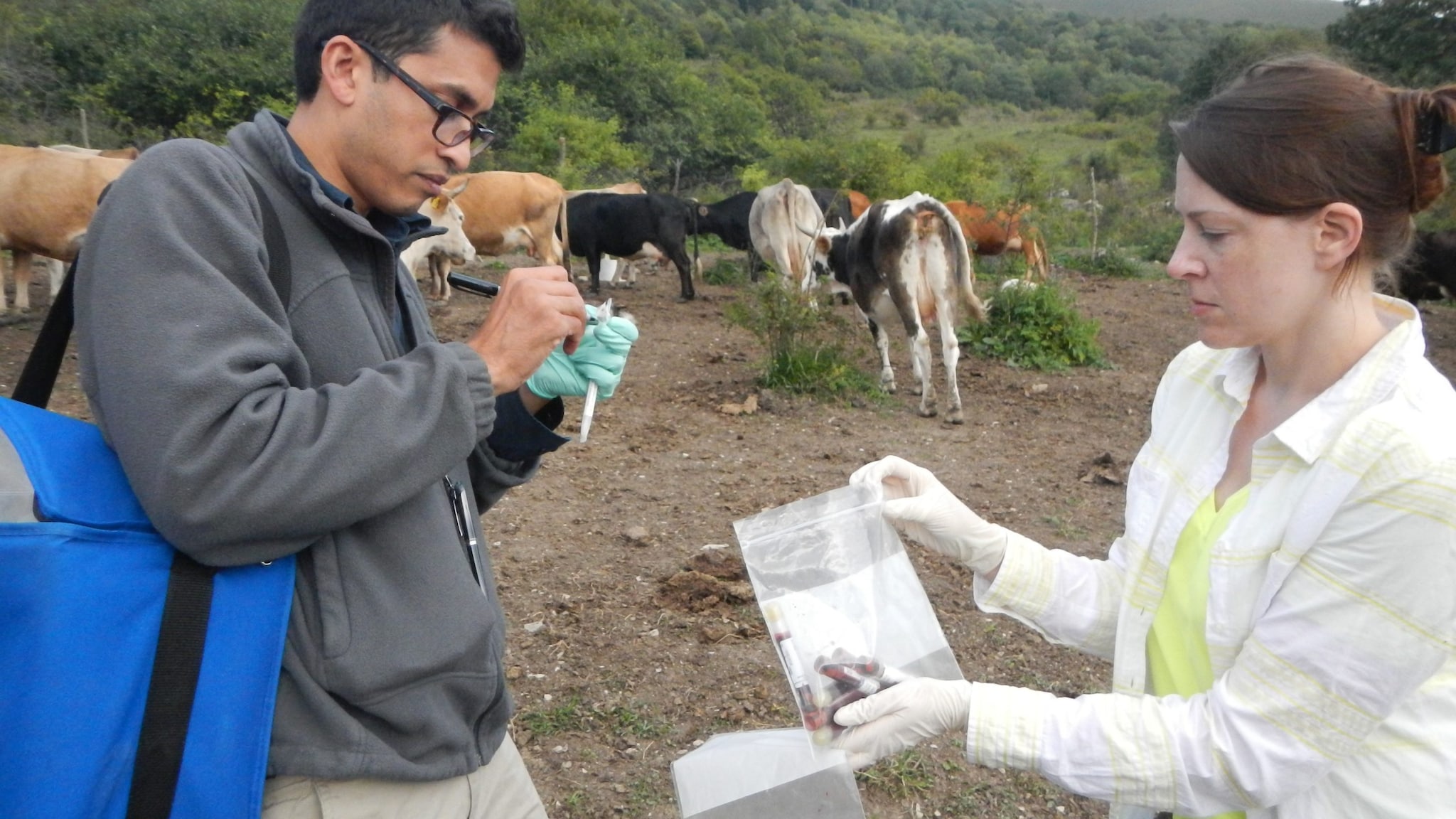
CDC manages research collaborations (sometimes referred to as “field stations”) in Côte d’Ivoire, Guatemala, Uganda, Guinea, Kenya, Botswana, and Thailand, and is establishing long-term collaborative projects that may form the basis for a permanent center in Vietnam. In general, CDC provides core funding for the field stations, and USAID and other donors provide additional support for both core activities and special projects.

The field station in Kenya is a collaborative effort between CDC and the Kenya Medical Research Institute (KEMRI). Most of the research takes place in western Kenya, in an area of intense, year-round malaria transmission and high incidence of HIV/AIDS. Major studies have

  • Demonstrated that presumptive malaria treatment of pregnant women decreases the number of low birth-weight babies born.
  • Demonstrated that use of insecticide-impregnated bednets reduces mortality among children less than 2 years of age in areas of high transmission.
  • Provided critical information about the immune response to malaria that is being used to design vaccines.

The field station is also studying the impact of coinfection with HIV and malaria, particularly in pregnancy. Other ongoing activities concern the development of immunity to vaccines among HIV-positive children, defining local spectrum of diarrheal diseases and antimicrobial resistance among diarrheal pathogens, and addressing the consequences of coinfection with HIV and schistosomiasis.

The field station in Guatemala—the Medical Entomology Research and Training Unit/Guatemala, or MERTU/G—is integrated into the Universidad del Valle and works closely with the Guatemalan Ministry of Health. MERTU/G has helped evaluate national prevention and control efforts related to malaria and onchocerchiasis. Research on leishmaniasis has led to improved clinical treatment regimens, and research on foodborne and waterborne diseases such as cholera has led to improved prevention methods. To reduce deaths due to Chagas disease—a significant health problem in Guatemala—the Guatemalan Ministry of Health and MERTU/G are conducting nationwide surveys to determine prevalence and risk factors; supporting field and molecular studies of the triatomine insect that carries the disease; and evaluating blood bank practices that may contribute to transmission through blood transfusions.

Future Directions: Capacity Building
The field stations have provided valuable opportunities for CDC scientists to participate in long-term, on-site research on selected diseases of importance in developing countries. Expansion of the field stations and strengthened ties with local ministries of health would facilitate additional opportunities to investigate endemic diseases, respond to new or emerging diseases, and provide a stable training center for epidemiologists and laboratory scientists from CDC and the local region. As part of CDC’s global strategy, one of the existing field stations may also provide the nucleus of the first International Emerging Infections Program (see Priority Area 6).

Return to CDC's Global Infectious Disease Strategy
National Center for Infectious Diseases
Centers for Disease Control and Prevention
Atlanta, GA