Skip Navigation Links
Centers for Disease Control and Prevention


 CDC Home Search A-Z Index
Pediatric and Pregnancy Nutrition Surveillance System
Site Map Topic Index Glossary Bibliography Help
Illustration of a mother and children
Home
Pediatric Data Tables
Pregnancy Data Tables
Publications
What Is PedNSS/PNSS?
What Is PedNSS?
Why was PedNSS created?
Who participates in PedNSS?
What data are collected and analyzed?
How is PedNSS data used?
What is PNSS?
 PedNSS Health Indicators
 PNSS Health Indicators
How To...
 Read A Data Table
 Review Data Quality
 Interpret Data
 Disseminate Data
Additional Tools

What is PedNSS/PNSS? - What is PedNSS?
Who participates in PedNSS?

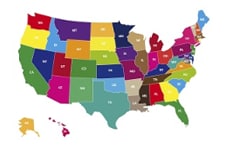
In 2008, 43 states, 2 U.S. Territories, 6 Indian Tribal Organizations, and the District of Columbia contributed data representing approximately 8,165,000 children < 5 years of age. PedNSS contributors are shown on the figure below.

Contributors* of Records for Children Aged < 5 Years
This is a map of the United States showing contributors of records for children aged &lt;5 years to the PedNSS in 2007. Contributors include Alabama, Arizona, Arkansas, the Inter Tribal Council of Arizona, California, the Cheyenne River Sioux Tribe (South Dakota), Colorado, Connecticut, the District of Columbia, Florida, Georgia, Hawaii, Idaho, Illinois, Indiana, Iowa, Kansas, Kentucky, Maryland, Massachusetts, Michigan, Minnesota, Missouri, Montana, the Navajo Nation, Nebraska, Nevada, New Hampshire, New Jersey, New Mexico, New York, North Carolina, Ohio Child Health, Ohio WIC, Oregon, Pennsylvania, Puerto Rico, Rhode Island, the Rosebud Sioux Tribe (South Dakota), South Carolina, South Dakota, the Standing Rock Sioux Tribe (North Dakota), Tennessee, Texas, the Three Affiliated Tribes (North Dakota), Vermont, the Virgin Islands, Virginia, Washington, West Virginia, and Wisconsin.
*Includes the Cheyenne River Sioux Tribe (SD), the District of Columbia, the Inter Tribal Council of Arizona, Navajo Nation, Ohio Child Health, Puerto Rico, the Rosebud Sioux Tribe (SD), the Standing Rock Sioux Tribe (ND), the Three Affiliated Tribes (ND), and the Virgin Islands.

The majority of PedNSS records (85.3%) are from the WIC Program. The figure below shows the distribution of records received from WIC, EPSDT, MCH and other programs.

Source of Data Among Children Aged < 5 Years
This is a horizontal bar chart indicating the percentage of data from various sources for the 2008 PedNSS.  This includes the Special Supplemental Nutrition Program for Women, Infants, and Children (WIC) (85.3%) and non-WIC programs (14.7%) that include the Early and Periodic Screening, Diagnosis, and Treatment (EPSDT) Program and other sources.
*Special Supplemental Nutrition Program for Women, Infants and Children.
**Early Periodic Screening, Diagnosis, and Treatment Program.
+Title V Maternal and Child Health Program.
++Includes Head Start.

2008 National PedNSS Table 1D

back to top

Page last reviewed: June 9, 2009
Page last updated: June 9, 2009
Content Source: Division of Nutrition, Physical Activity and Obesity, National Center for Chronic Disease Prevention and Health Promotion


Policies and Regulations | Accessibility

CDC Home | Search | A-Z Index

United States Department of Health and Human Services
Centers for Disease Control and Prevention
National Center for Chronic Disease Prevention and Health Promotion
Division of Nutrition and Physical Activity