NCHHSTP Newsroom


Monday-Friday
9 a.m. – 6 p.m. ET
(404) 639-3286
After Hours
(770) 488-7100
If you are not a reporter, please contact CDC-INFO:
1-800-CDC-INFO
(1-800-232-4636)
Latest News & Announcements
2022 U.S. Syphilis Cases Reach Highest Numbers Since the 1950s – January 30, 2024
Over 207,250 total syphilis cases were reported in the United States in 2022, an 80% increase since 2018 and compounding a decades-long upward trend.
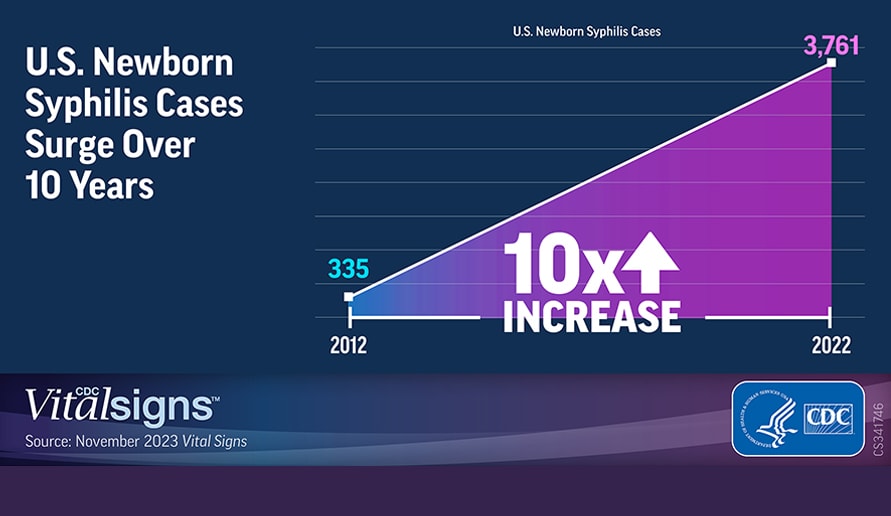
U.S. Syphilis Cases in Newborns Continue to Increase: A 10-Times Increase Over a Decade – November 7, 2023
CDC is recommending concerted action to stop the increase of newborn syphilis cases and continues to sound the alarm about the consequences of a rapidly accelerating epidemic of sexually transmitted infections in the United States. Syphilis during pregnancy can cause tragic outcomes, like miscarriage, stillbirth, infant death, and lifelong medical issues. Newborn syphilis occurs when mothers do not receive timely testing and treatment during pregnancy.
Press Release | Comunicado de Prensa | MMWR| Graphics | Vital Signs
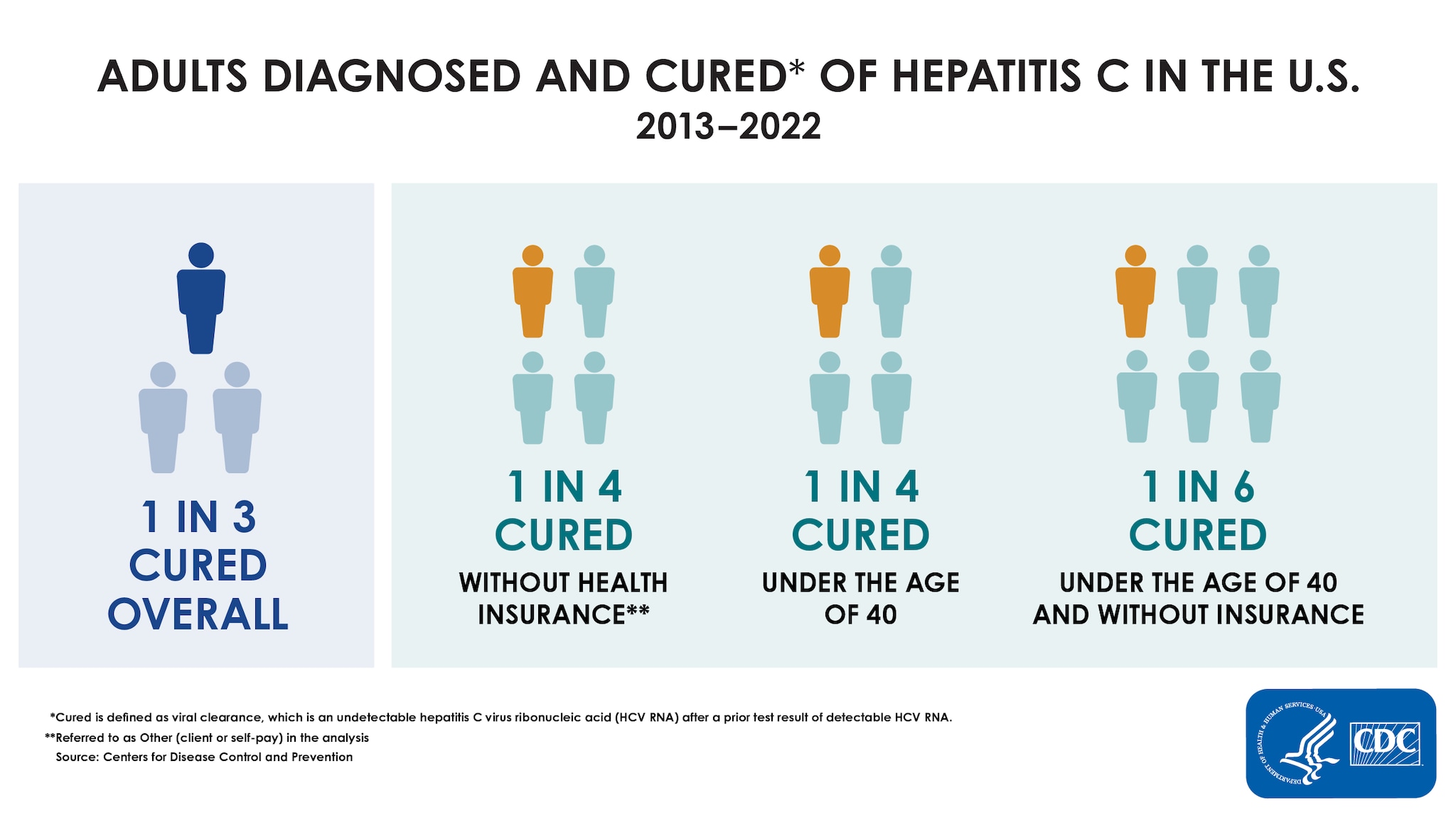
Hepatitis C Cures Still Fail to Reach Most Americans Who Need Them – June 29, 2023
A new CDC report suggests the majority of people with hepatitis C still have not been cured nearly a decade after breakthrough treatments that clear the viral infection were first approved in the United States. The findings highlight the urgent need for a proposed national program that would end much of the suffering and death from hepatitis C by eliminating the disease in the United States.
HIV Declines Among Young People – Driving Overall Decrease in New Infections in 2021 – May 23, 2023
Estimated annual new HIV infections were 12% lower in 2021 compared to 2017 according to new CDC data. The decline was driven by a 34% decrease in new infections among 13- to 24-year-olds, mostly among gay and bisexual males. HIV prevention efforts must go further and progress must be faster for gains to reach populations equitably and for national goals to end the HIV epidemic to be reached.
Press Release | Comunicado de Prensa |HIV Incidence/Prevalence Estimates (2017-2021) | HIV Monitoring Report (2017-2021)
U.S. STI Epidemic Showed No Signs of Slowing in 2021 – April 11, 2023
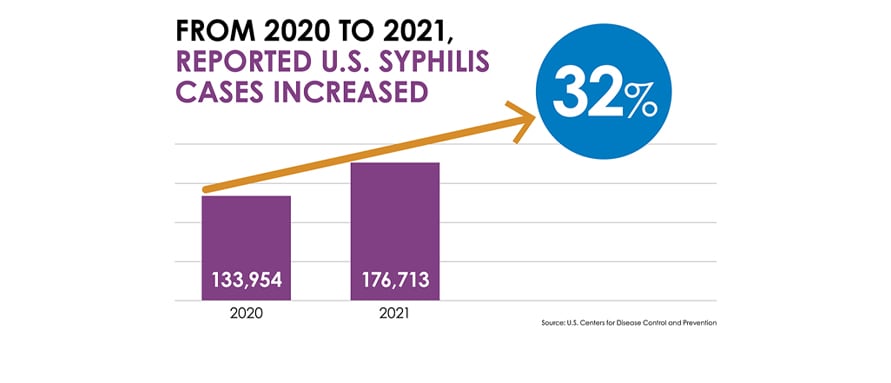
Reported cases of the sexually transmitted infections (STIs) chlamydia, gonorrhea, and syphilis all increased between 2020 and 2021 – reaching a total of more than 2.5 million reported cases. CDC calls for more groups to contribute to STI prevention and innovation efforts.
Media Statement | Declaración | Report | Fact Sheet|Graphics
TB is Still Here – CDC Data Show U.S. Cases Increased Again in 2022 – March 23, 2023
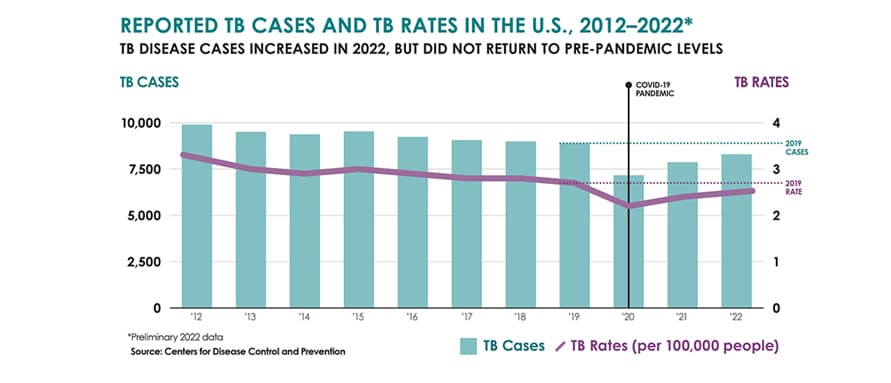
Preliminary TB data show that the number of U.S. TB disease cases increased by 5% in 2022, with considerable increases in some groups. CDC is calling on healthcare providers and communities disproportionately affected by TB to Think. Test. Treat TB.
Response to New STI Prevention Tools & Approaches Research at CROI 2023 – February 20, 2023
More tools are desperately needed in the nation’s fight against STIs. Ongoing increases in reported STIs show no signs of slowing without long-term investment and game-changing innovations in STI prevention, rapid diagnostics, vaccine-development, and treatment. The recent momentum in research exploring STI prevention is encouraging, particularly in a field that has lacked innovation for so long.
World AIDS Day 2022 Media Statement – December 1, 2022
COVID-19 disruptions in HIV testing and prevention
highlight need for innovation and investment before the next public health emergency.
Less than 1 in 3 people diagnosed with hepatitis C receive treatment within a year of diagnosis – August 9, 2022
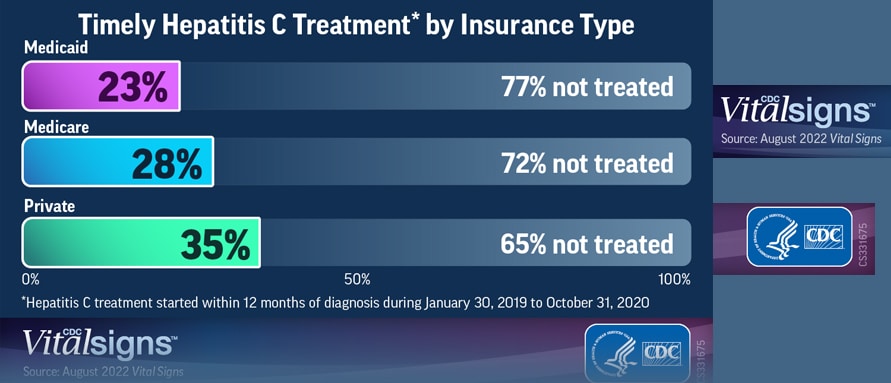
A new CDC Vital Signs report finds that too few people diagnosed with hepatitis C are being treated, even though hepatitis C is curable.
Press Release | Comunicado de Prensa | MMWR | Graphics | Vital Signs
CDC Response to Doxy-PEP data presented at 2022 International AIDS Conference – July 27, 2022
The first look at the data presented at the 2022 International AIDS Conference showed doxy-PEP demonstrated significant effectiveness and tolerability against these common STIs in gay and bisexual men and transgender women with HIV or taking HIV pre-exposure prophylaxis (PrEP) over the course of this study.
HIV testing dropped sharply during first year of COVID-19 – June 23, 2022
New CDC data show a sharp decrease in the number of CDC-funded HIV tests administered from 2019 to 2020, including concerning drops among groups disproportionately affected by HIV.
STDs continued to increase in 2020 – April 12, 2022
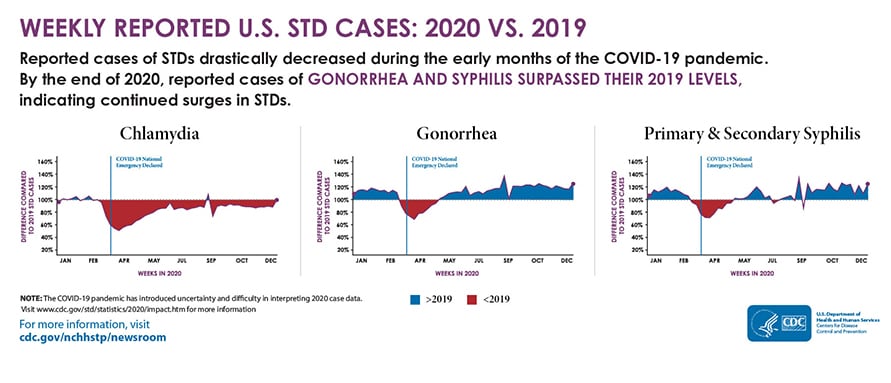
STDs in the United States decreased during the early months of the COVID-19 pandemic, but most resurged by the end of that year as reported cases of gonorrhea, syphilis, and congenital syphilis surpassed 2019 levels.
Press Release | Comunicado de Prensa | Full Report | Graphics
COVID-19 likely had a substantial effect on U.S. TB disease trends – March 24, 2022
Preliminary CDC data, released on World Tuberculosis (TB) Day, show that TB disease diagnoses fell 20% in 2020 and remained 13% lower in 2021 than pre-pandemic levels. These declines may be related to factors associated with the COVID-19 pandemic, including a true reduction in incidence as well as delayed or missed TB diagnoses.
CDC Data Highlights Factors that Contribute to Continuing HIV Disparities in the U.S. – February 3, 2022
Despite overall progress in reducing HIV transmission in the United States, HIV continues to affect some groups more than others due to longstanding and ingrained barriers. Black or African American (hereafter referred to as Black) people account for a higher proportion of new HIV infections, compared to other races and ethnicities. Black people accounted for 13% of the U.S. population but 40% of people with HIV in 2019, according to CDC estimates.
Media Statement | Fact Sheet | Graphics | MMWR | MMWR
New CDC Vital Signs report reveals a decade of continuing HIV inequities – November 30, 2021
Despite overall progress in reducing new infections among gay and bisexual men, the HIV epidemic continued and was more severe among Black and Hispanic/Latino gay and bisexual men in the decade leading up to the federal Ending the HIV Epidemic in the U.S. initiative.
Press Statement | Comunicado de Prensa | MMWR | Graphics | Vital Signs
New estimates reveal declines in hepatitis C treatment initiation in the U.S. – November 8, 2021
CDC’s first estimates of hepatitis C treatment, presented at the 2021 American Association of the Study of Liver Disease (AASLD) meeting, show the number of people living with hepatitis C in the U.S. who initiated treatment with direct-acting antiviral agents (DAA) declined from 2015 to 2020.
CDC Awards $117 Million to Advance Innovation and Health Equity in Federal Initiative to End HIV – July 27, 2021
CDC awarded $117 million to state and local health departments to help rebuild and begin to expand HIV prevention and treatment efforts as the U.S. continues to respond to COVID-19. The awards are part of the federal Ending the HIV Epidemic in the U.S. (EHE) initiative, which funds 57 priority areas to expand and tailor key HIV prevention strategies to community needs.
Press Release | Comunicado de Prensa | State/Local Funding Table
Reported STDs in the U.S. dropped then resurged during the COVID-19 pandemic – July 16, 2021
New CDC data show that during March-April 2020, reported STD cases dramatically decreased compared to the same time in 2019. However, a resurgence in gonorrhea and syphilis cases later in the year suggest overall STDs may have increased during 2020.
Hopeful signs of progress in HIV prevention, but gains remain uneven – May 27, 2021
New CDC data show new HIV infections fell 8% from 2015 to 2019, after a period of general stability in new infections in the U.S. These data suggest recent progress is likely due to increased uptake of key prevention and treatment strategies. However, to reach the Ending the HIV Epidemic in the U.S goals, addressing continued disparities will be crucial.
Transgender Women Urgently Need More HIV Prevention and Treatment Services – April 15, 2021
A CDC report released in advance of National Transgender HIV Testing Day found that four in ten transgender women surveyed in seven major U.S. cities have HIV. These findings demonstrate the pressing need for scaled-up HIV prevention and care strategies for transgender women.
Reported STDs reach all-time high for 6th consecutive year – April 13, 2021
New CDC data show that reported annual cases of STDs in the United States continued to climb in 2019, reaching an all-time high for the sixth consecutive year.
Press Release | Comunicado de Prensa | Full Report | Fact Sheet | Graphics
Progress Toward Tuberculosis Elimination Has Slowed in Recent Years – March 25, 2021
Although TB cases have fallen steadily since 1993, progress toward elimination has recently slowed and the COVID-19 pandemic has further strained TB prevention and control services.
Media Summary | MMWR | Graphics | Fact Sheet
2021 Conference on Retroviruses and Opportunistic Infections – March 6-10, 2021
CDC scientists will present nearly 30 abstracts at the 2021 Conference on Retroviruses and Opportunistic Infections (CROI). The conference will be held virtually from March 6-10, 2021. Several studies that may be of particular interest represent two main research areas: COVID-19’s impact on HIV testing and treatment, and disparities among people with HIV.
1 in 5 people in the U.S. have a sexually transmitted infection – January 25, 2021
New data estimate that on any given day in 2018, 1 in 5 people in the U.S. had a sexually transmitted infection (STI). CDC analyses, published in the journal Sexually Transmitted Diseases, show the burden of diagnosed and undiagnosed STIs in the U.S., and the estimated medical costs associated with STIs.
HIV-Related Death Rate in U.S. Fell by Half – November 19, 2020
New CDC data show that the rate of HIV-related deaths among people 13 years and older in the United States fell by nearly half from 2010 to 2017. Despite this progress, action is still needed to further reduce HIV deaths, prevent new transmissions, and end disparities.
51st Union World Conference – October 20-24, 2020
CDC and partners will present results from Study 31/A5349 – a landmark TB trial identifying a shorter-course treatment regimen – at the 51st Union World Conference on Lung Health. The conference will be held virtually from October 20-24, 2020 and feature new science and research on lung health topics.
2020 STD Prevention Conference – September 14-24, 2020
The 2020 STD Prevention Conference, “2020 Vision: Disrupting Epidemics and Dismantling Disparities,” kicked off virtually on Monday, September 14. A roundtable discussion among those at the forefront of STD prevention efforts highlighted new data showing the impact of COVID-19 on U.S. STD programs and innovative strategies to reduce STDs in the U.S.
CDC Awards $109 Million to Local Areas and States for Federal Initiative to End the HIV Epidemic in the U.S. – July 31, 2020
CDC awarded $109 million to areas most affected by HIV in order to accelerate progress in the fight to end the HIV epidemic in the U.S. Communities will use the funding to customize and implement high-impact HIV diagnosis, treatment, prevention, and response strategies, and to reduce local barriers to HIV prevention and care.
Press release | Comunicado de Prensa | State/Local Funding Table
23rd International AIDS Conference (AIDS 2020) – July 6-10, 2020
CDC scientists will present more than 20 abstracts at the 23rd International AIDS Conference. The conference will be held virtually from July 6-10, 2020, and feature CDC research on important HIV/AIDS topics, including key prevention strategies, testing and engagement in care, and risk behavior/key population trends.
Half of newborn syphilis cases occur due to prenatal testing and treatment gaps – June 4, 2020
Regional differences underscore the importance of tailoring prevention solutions to geographic region. In the South, lack of adequate treatment was the most common missed prevention opportunity, while in the West, lack of timely prenatal care was most common.
Hepatitis C now heavily impacting multiple generations – April 9, 2020
Data emphasize importance of new CDC hepatitis C screening recommendations for all adults
Press release | MMWR | MMWR Recommendations & Report | Vital Signs
HIV Declines Among Young People – Driving Overall Decrease in New Infections in 2021 – May 23, 2023
Estimated annual new HIV infections were 12% lower in 2021 compared to 2017 according to new CDC data. The decline was driven by a 34% decrease in new infections among 13- to 24-year-olds, mostly among gay and bisexual males. HIV prevention efforts must go further and progress must be faster for gains to reach populations equitably and for national goals to end the HIV epidemic to be reached.
Press Release | Comunicado de Prensa |HIV Incidence/Prevalence Estimates (2017-2021) | HIV Monitoring Report (2017-2021)
World AIDS Day 2022 Media Statement – December 1, 2022
COVID-19 disruptions in HIV testing and prevention
highlight need for innovation and investment before the next public health emergency.
HIV testing dropped sharply during first year of COVID-19 – June 23, 2022
New CDC data show a sharp decrease in the number of CDC-funded HIV tests administered from 2019 to 2020, including concerning drops among groups disproportionately affected by HIV.
CDC Data Highlights Factors that Contribute to Continuing HIV Disparities in the U.S. – February 3, 2022
Despite overall progress in reducing HIV transmission in the United States, HIV continues to affect some groups more than others due to longstanding and ingrained barriers. Black or African American (hereafter referred to as Black) people account for a higher proportion of new HIV infections, compared to other races and ethnicities. Black people accounted for 13% of the U.S. population but 40% of people with HIV in 2019, according to CDC estimates.
Media Statement | Fact Sheet | Graphics | MMWR | MMWR
New CDC Vital Signs report reveals a decade of continuing HIV inequities – November 30, 2021
Despite overall progress in reducing new infections among gay and bisexual men, the HIV epidemic continued and was more severe among Black and Hispanic/Latino gay and bisexual men in the decade leading up to the federal Ending the HIV Epidemic in the U.S. initiative.
Press Statement | Comunicado de Prensa | MMWR | Graphics | Vital Signs
CDC Awards $117 Million to Advance Innovation and Health Equity in Federal Initiative to End HIV – July 27, 2021
CDC awarded $117 million to state and local health departments to help rebuild and begin to expand HIV prevention and treatment efforts as the U.S. continues to respond to COVID-19. The awards are part of the federal Ending the HIV Epidemic in the U.S. (EHE) initiative, which funds 57 priority areas to expand and tailor key HIV prevention strategies to community needs.
Press Release | Comunicado de Prensa | State/Local Funding Table
Hopeful signs of progress in HIV prevention, but gains remain uneven – May 27, 2021
New CDC data show new HIV infections fell 8% from 2015 to 2019, after a period of general stability in new infections in the U.S. These data suggest recent progress is likely due to increased uptake of key prevention and treatment strategies. However, to reach the Ending the HIV Epidemic in the U.S goals, addressing continued disparities will be crucial.
Transgender Women Urgently Need More HIV Prevention and Treatment Services – April 15, 2021
A CDC report released in advance of National Transgender HIV Testing Day found that four in ten transgender women surveyed in seven major U.S. cities have HIV. These findings demonstrate the pressing need for scaled-up HIV prevention and care strategies for transgender women.
2021 Conference on Retroviruses and Opportunistic Infections – March 6-10, 2021
CDC scientists will present nearly 30 abstracts at the 2021 Conference on Retroviruses and Opportunistic Infections (CROI). The conference will be held virtually from March 6-10, 2021. Several studies that may be of particular interest represent two main research areas: COVID-19’s impact on HIV testing and treatment, and disparities among people with HIV.
HIV-Related Death Rate in U.S. Fell by Half – November 19, 2020
New CDC data show that the rate of HIV-related deaths among people 13 years and older in the United States fell by nearly half from 2010 to 2017. Despite this progress, action is still needed to further reduce HIV deaths, prevent new transmissions, and end disparities.
CDC Awards $109 Million to Local Areas and States for Federal Initiative to End the HIV Epidemic in the U.S. – July 31, 2020
CDC awarded $109 million to areas most affected by HIV in order to accelerate progress in the fight to end the HIV epidemic in the U.S. Communities will use the funding to customize and implement high-impact HIV diagnosis, treatment, prevention, and response strategies, and to reduce local barriers to HIV prevention and care.
Press release | Comunicado de Prensa | State/Local Funding Table
23rd International AIDS Conference (AIDS 2020) – July 6-10, 2020
CDC scientists will present more than 20 abstracts at the 23rd International AIDS Conference. The conference will be held virtually from July 6-10, 2020, and feature CDC research on important HIV/AIDS topics, including key prevention strategies, testing and engagement in care, and risk behavior/key population trends.
CDC Vital Signs: Ending HIV Transmission — Test, Treat, and Prevent – December 3, 2019
Far too many Americans with HIV are unaware that they have it. Far too few have the virus under control through effective treatment. And far too few Americans at risk for HIV are taking the daily pill that prevents HIV.
HHS Awards $13.5 Million to Accelerate State and Local Planning Efforts for Ending the HIV Epidemic: A Plan for America – October 2, 2019
The U.S. Department of Health and Human Services (HHS), through CDC, has awarded funds to conduct state and local planning and kick off community involvement for the proposed federal initiative to end the HIV epidemic in America.
Most Americans Have Never Had an HIV Test, New Data Show – June 27, 2019
New CDC data show that most people in the United States have never had an HIV test – though CDC recommends that everyone between the ages of 13 – 64 years be screened at least once in their lifetime.
Leading HIV Experts Convene 2019 National HIV Prevention Conference – March 18, 2019
In support of the conference theme – Getting to No New Infections – speakers, including U.S. Secretary of Health and Human Services Alex M. Azar II, CDC Director Robert R. Redfield, M.D., National Institute of Allergy and Infectious Diseases Director Anthony S. Fauci, M.D., Health Resources & Services Administration HIV/AIDS Bureau Associate Administrator, Laura Cheever, M.D., and NCHHSTP Director Jonathan Mermin, M.D., will share their vision and insights on the coordinated federal effort to eliminate HIV in the United States within a decade: Ending the HIV Epidemic: A Plan for America.
CDC Vital Signs: HIV Transmission along the Continuum of Care, 2016 – March 18, 2019
Published on the first day of CDC’s 2019 National HIV Prevention Conference, a new CDC Vital Signs report provides the latest data on the impact of undiagnosed and untreated HIV in the nation and underscores the critical need to expand HIV testing and treatment in the U.S.
Press Release | MMWR | Graphics | Vital Signs
2019 Conference on Retroviruses and Opportunistic Infections – March 7, 2019
A new CDC analysis presented today at the Conference on Retroviruses and Opportunistic Infections in Seattle, Washington finds more gay and bisexual men at high risk for HIV are using pre-exposure prophylaxis (PrEP), but significant gaps remain – especially among African Americans and Latinos.
Progress in HIV prevention has stalled; need for immediate action — ‘Ending the Epidemic: A Plan for America’ – February 27, 2019
Annual HIV infections (“HIV incidence”) in the United States have been reduced by more than two-thirds since the height of the epidemic in the mid-1980s, but CDC data indicate that progress has stalled in recent years. Following about five years of declines, the estimated number of new HIV infections began to level off in 2013 at about 39,000 per year — reinforcing the need for more action to end America’s HIV epidemic. The report also finds that new HIV infections declined in some populations, but increased in others.
Press Release | Fact Sheet | Data Summary |Graphics | Full Report | HIV.gov
2018 Conference on Retroviruses and Opportunistic Infections – March 6, 2018
A new CDC analysis presented today at the Conference on Retroviruses and Opportunistic Infections in Boston, Mass., suggests only a small percentage of Americans who could benefit from pre-exposure prophylaxis (PrEP) have been prescribed it. Furthermore, while two-thirds of people who could potentially benefit are African American or Latino, they account for the smallest percentage of PrEP prescriptions to date. Additionally, two new CDC analyses presented at CROI demonstrate the effectiveness of SSPs and HIV testing and treatment in helping to end a large outbreak of HIV among people who inject drugs (PWID).
Press Release | Graphics | Data Table | Additional Studies of Interest
2022 U.S. Syphilis Cases Reach Highest Numbers Since the 1950s – January 30, 2024
Over 207,250 total syphilis cases were reported in the United States in 2022, an 80% increase since 2018 and compounding a decades-long upward trend.
U.S. Syphilis Cases in Newborns Continue to Increase: A 10-Times Increase Over a Decade – November 7, 2023
CDC is recommending concerted action to stop the increase of newborn syphilis cases and continues to sound the alarm about the consequences of a rapidly accelerating epidemic of sexually transmitted infections in the United States. Syphilis during pregnancy can cause tragic outcomes, like miscarriage, stillbirth, infant death, and lifelong medical issues. Newborn syphilis occurs when mothers do not receive timely testing and treatment during pregnancy.
Press Release | Comunicado de Prensa | MMWR| Graphics | Vital Signs
U.S. STI Epidemic Showed No Signs of Slowing in 2021 – April 11, 2023
Reported cases of the sexually transmitted infections (STIs) chlamydia, gonorrhea, and syphilis all increased between 2020 and 2021 – reaching a total of more than 2.5 million reported cases. CDC calls for more groups to contribute to STI prevention and innovation efforts.
Media Statement | Declaración | Report | Fact Sheet|Graphics
Response to New STI Prevention Tools & Approaches Research at CROI 2023 – February 20, 2023
More tools are desperately needed in the nation’s fight against STIs. Ongoing increases in reported STIs show no signs of slowing without long-term investment and game-changing innovations in STI prevention, rapid diagnostics, vaccine-development, and treatment. The recent momentum in research exploring STI prevention is encouraging, particularly in a field that has lacked innovation for so long.
CDC Response to Doxy-PEP data presented at 2022 International AIDS Conference – July 27, 2022
The first look at the data presented at the 2022 International AIDS Conference showed doxy-PEP demonstrated significant effectiveness and tolerability against these common STIs in gay and bisexual men and transgender women with HIV or taking HIV pre-exposure prophylaxis (PrEP) over the course of this study.
STDs continued to increase in 2020 – April 12, 2022
STDs in the United States decreased during the early months of the COVID-19 pandemic, but most resurged by the end of that year as reported cases of gonorrhea, syphilis, and congenital syphilis surpassed 2019 levels.
Press Release | Comunicado de Prensa | Full Report | Graphics
Reported STDs in the U.S. dropped then resurged during the COVID-19 pandemic – July 16, 2021
New CDC data show that during March-April 2020, reported STD cases dramatically decreased compared to the same time in 2019. However, a resurgence in gonorrhea and syphilis cases later in the year suggest overall STDs may have increased during 2020.
Reported STDs reach all-time high for 6th consecutive year – April 13, 2021
New CDC data show that reported annual cases of STDs in the United States continued to climb in 2019, reaching an all-time high for the sixth consecutive year.
Press Release | Comunicado de Prensa | Full Report | Fact Sheet | Graphics
1 in 5 people in the U.S. have a sexually transmitted infection – January 25, 2021
New data estimate that on any given day in 2018, 1 in 5 people in the U.S. had a sexually transmitted infection (STI). CDC analyses, published in the journal Sexually Transmitted Diseases, show the burden of diagnosed and undiagnosed STIs in the U.S., and the estimated medical costs associated with STIs.
2020 STD Prevention Conference – September 14-24, 2020
The 2020 STD Prevention Conference, “2020 Vision: Disrupting Epidemics and Dismantling Disparities,” kicked off virtually on Monday, September 14. A roundtable discussion among those at the forefront of STD prevention efforts highlighted new data showing the impact of COVID-19 on U.S. STD programs and innovative strategies to reduce STDs in the U.S.
Half of newborn syphilis cases occur due to prenatal testing and treatment gaps – June 4, 2020
Regional differences underscore the importance of tailoring prevention solutions to geographic region. In the South, lack of adequate treatment was the most common missed prevention opportunity, while in the West, lack of timely prenatal care was most common.
STDs increased for the fifth consecutive year, reaching all-time high – October 8, 2019
CDC’s 2018 STD Surveillance Report show increases across all three of the most commonly reported STDs, with syphilis among newborns as a growing threat.
Newborn syphilis cases more than double in four years, reaching 20-year high – September 25, 2018
CDC’s 2017 STD Surveillance Report show increases of congenital syphilis – when syphilis is passed from mother to baby during pregnancy or delivery – are outpacing overall increases of STDs nationwide.
2018 STD Prevention Conference: New CDC Analysis Shows Steep and Sustained Increases in STDs – August 28, 2018
CDC presented preliminary surveillance data at the 2018 STD Prevention Conference in Washington, D.C. It found recent increases in sexually transmitted diseases (STDs) have continued for four consecutive years — and that the nearly 2.3 million cases of chlamydia, gonorrhea and syphilis reported to CDC for 2017 exceed the previous 2016 record by more than 200,000 cases. CDC also presented the latest information on emerging antibiotic resistance in gonorrhea — and underscored the continued concerns about this potential threat.
Press Release | Telebriefing Transcript | Data Table | Graphics
CDC data released today show STD diagnoses at record high in U.S. – September 26, 2017
New CDC data show more than two million cases of chlamydia, gonorrhea and syphilis were reported in the United States in 2016, the highest number ever, according to the annual Sexually Transmitted Disease (STD) Surveillance Report released today.
TB is Still Here – CDC Data Show U.S. Cases Increased Again in 2022 – March 23, 2023
Preliminary TB data show that the number of U.S. TB disease cases increased by 5% in 2022, with considerable increases in some groups. CDC is calling on healthcare providers and communities disproportionately affected by TB to Think. Test. Treat TB.
COVID-19 likely had a substantial effect on U.S. TB disease trends – March 24, 2022
Preliminary CDC data, released on World Tuberculosis (TB) Day, show that TB disease diagnoses fell 20% in 2020 and remained 13% lower in 2021 than pre-pandemic levels. These declines may be related to factors associated with the COVID-19 pandemic, including a true reduction in incidence as well as delayed or missed TB diagnoses.
Progress Toward Tuberculosis Elimination Has Slowed in Recent Years – March 25, 2021
Although TB cases have fallen steadily since 1993, progress toward elimination has recently slowed and the COVID-19 pandemic has further strained TB prevention and control services.
Media Summary | MMWR | Graphics | Fact Sheet
51st Union World Conference – October 20-24, 2020
CDC and partners will present results from Study 31/A5349 – a landmark TB trial identifying a shorter-course treatment regimen – at the 51st Union World Conference on Lung Health. The conference will be held virtually from October 20-24, 2020 and feature new science and research on lung health topics.
CDC Releases Latest Data on Tuberculosis – March 19, 2020
Ahead of World TB Day, new CDC data shows that TB case counts are the lowest number on record, and also highlights the need to strengthen U.S. TB control efforts.
Media Summary | MMWR | Graphics | Fact Sheet
Updated Recommendations for TB Screening, Testing and Treatment of U.S. Health Care Personnel – May 16, 2019
Historically, U.S. health care personnel were at increased risk for latent TB infection (LTBI) and TB disease from occupational exposures, but recent data suggest that this is no longer the case. CDC and the National Tuberculosis Controllers Association have updated the 2005 CDC recommendations for health care personnel.
CDC Releases Preliminary 2018 TB Data – March 21, 2019
Preliminary 2018 data, released today in advance of World TB Day, show that while TB case counts are the lowest on record, there is slowed progress toward TB elimination.
CDC Releases Updated Recommendations for Treatment of Latent TB Infection – June 28, 2018
CDC released updated recommendations for use of once-weekly isoniazid-rifapentine for 12 weeks (3HP) for treatment of latent TB infection. The updated recommendations support expanded use of an effective, shorter, treatment regimen to reach even more people with latent TB infection.
Media Summary | Graphics | MMWR | Fact Sheet
Tuberculosis continues to decline in the U.S., but progress toward elimination is slowing – March 22, 2018
Preliminary 2017 data, released today in advance of World TB Day, show that while TB case counts reached a record low in 2017, the rate of decline is too slow to eliminate TB during this century.
Press Release | Fact Sheet | MMWR | Graphics | Audio Clips
Hepatitis C Cures Still Fail to Reach Most Americans Who Need Them – June 29, 2023
A new CDC report suggests the majority of people with hepatitis C still have not been cured nearly a decade after breakthrough treatments that clear the viral infection were first approved in the United States. The findings highlight the urgent need for a proposed national program that would end much of the suffering and death from hepatitis C by eliminating the disease in the United States.
Less than 1 in 3 people diagnosed with hepatitis C receive treatment within a year of diagnosis – August 9, 2022
A new CDC Vital Signs report finds that too few people diagnosed with hepatitis C are being treated, even though hepatitis C is curable.
Press Release | Comunicado de Prensa | MMWR | Graphics | Vital Signs
New estimates reveal declines in hepatitis C treatment initiation in the U.S. – November 8, 2021
CDC’s first estimates of hepatitis C treatment, presented at the 2021 American Association of the Study of Liver Disease (AASLD) meeting, show the number of people living with hepatitis C in the U.S. who initiated treatment with direct-acting antiviral agents (DAA) declined from 2015 to 2020.
Hepatitis C now heavily impacting multiple generations – April 9, 2020
Data emphasize importance of new CDC hepatitis C screening recommendations for all adults
Press release | MMWR | MMWR Recommendations & Report | Vital Signs
CDC Estimates Nearly 2.4 Million Americans Living with Hepatitis C – November 6, 2018
Nearly 2.4 million Americans – 1 percent of the adult population – were living with hepatitis C from 2013 through 2016, according to new CDC estimates. Data highlight urgent need to diagnose and cure more Americans and address rising infections due to opioid crisis.
Increase in Hepatitis C Infections Linked to Worsening Opioid Crisis – December 21, 2017
New CDC research suggests the recent steep increase in cases of acute hepatitis C virus infection is associated with increases in opioid injection.
New Hepatitis C Infections Nearly Tripled Over Five Years – May 11, 2017
New preliminary data released today shows that, in over just five years, the number of new hepatitis C infections reported to CDC has nearly tripled, reaching a 15-year high. The greatest increases, and the highest overall number of cases, were among young people 20-29, with injection drug use as the primary route of transmission. However, the majority (three-quarters) of the 3.5 million Americans already living with hepatitis C are baby boomers, born from 1945 to 1965, who are six times more likely to be infected with hepatitis C than those in other age groups and are at much greater risk for death from the virus.
Press Release | Full Report | MMWR | Media Summary | Graphics
Adolescent Connectedness and Adult Health Outcomes – June 24, 2019
Helping young people feel engaged and cared for at home and at school — also called connectedness — may have substantial health benefits that last well beyond their teenage years, suggests a CDC study published in Pediatrics.
CDC Data Provide Insights on the Risk of HIV & STDs Among Nation’s Youth – June 14, 2018
The 2017 YRBS data reveals disparities across multiple health risk behaviors and experiences in the areas of sexual risk behavior, substance abuse, violence victimization, mental health and suicide for all U.S. high school students.
Press Release | Data Summaries | Graphics | Responsible Reporting Guide | MMWR | Trends Report
CDC Releases New Data on the Connection between Health and Academics – September 7, 2017
CDC researchers analyzed data from the 2015 Youth Risk Behavior Survey (YRBS) to better assess the relationship between academic achievement and 30 health behaviors, including dietary, physical activity, substance use, sexual risk, violence-related and suicide-related behaviors. The results confirm that students with lower grades reported higher levels of health risk behaviors – and students with higher grades were more likely to report healthy behaviors.