Box 7
The World Health Organization Global Polio Laboratory Network

Global Laboratory Network for Polio Eradication, 2000Map of world with highlighed laboratory locations

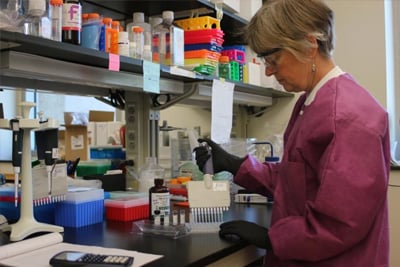
Ascertaining whether a disease is still present in a given area (and, therefore, that further prevention efforts are needed) is a critical part of any disease eradication effort. The WHO Global Polio Laboratory Network uses molecular techniques to determine whether wild-type polio is circulating in areas undergoing eradication efforts. Since the worldwide campaign began, cases of polio have declined by 99% (from 350,000 cases to less than 3,000), and the number of countries in which polio is endemic has decreased from 125 to 20.

CDC began training Network virologists in 1986, soon after the Pan American Health Organization declared its goal of eliminating polio from the Americas. CDC will continue to train Network virologists for several more years, as new diagnostic methods are developed to meet the stringent surveillance criteria necessary to obtain certification of global polio eradication.


Return to CDC's Global Infectious Disease Strategy
National Center for Infectious Diseases
Centers for Disease Control and Prevention
Atlanta, GA